Kirjojen hintavertailu. Mukana 12 657 676 kirjaa ja 12 kauppaa.
Kirjailija
David Cohen
Kirjat ja teokset yhdessä paikassa: 45 kirjaa, julkaisuja vuosilta 1964-2025, suosituimpien joukossa Carl Rogers. Vertaile teosten hintoja ja tarkista saatavuus suomalaisista kirjakaupoista.
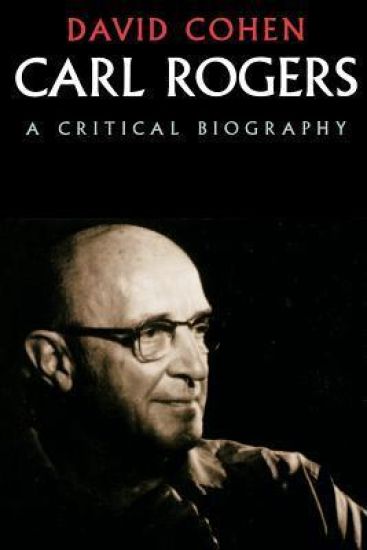
Carl Rogers was the psychiatrist who pioneered the practice of client-centred therapy, revolutionising the practice of psychotherapy, yet his own life was far from ideal. This biography explores his life - including his tortured marriage, his use of confidential information about his children's lives and his drinking - against the background of his work. The author draws heavily on the papers left by Rogers to the Library of Congress.
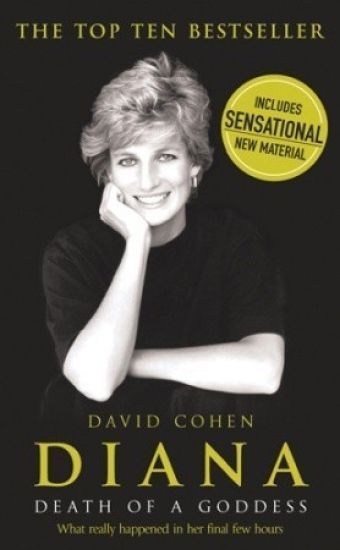
The Mercedes driven by Henri Paul in which Princess Diana, Dodi Al Fayed and Trevor Rees-Jones were travelling crashes into a pillar in the Alma tunnel in the centre of Paris, killing Paul, Dodi and Diana and seriously injuring Rees Jones.
This volume in the Greenwood Press series Bio-Bibliographies in Music provides an overview of Phil Ochs' life and career, an annotated guide to the literature by and about Phil Ochs, and an extensive discography of his recordings. Biographical information traces his career up until his untimely suicide in 1976 and highlights the influences on his music and the numerous ways in which his music and political views influenced others. The guide to the literature includes not only articles and books but also album reviews, concert reviews and interviews. The extensive information compiled in this guide will be of interest to popular music scholars and to Phil Ochs' enthusiasts alike. Of special interest to many will be the unique section that details Ochs' appearances in various films and television programs. An alphabetical song listing, an appendix listing his concerts, and an index complete the volume.
Richard Cromwell succeeded his famous father Oliver as Lord Protector in 1658, and resigned 274 days later, making way for Charles II to return to England and take the Crown. Born in 1626, Richard was a disappointment to his father. Despite this, Cromwell named Richard as his successor. However, although Richard was intelligent and not uncharismatic in his own right, but he did not have the desire to rule as his father had and struggled to establish his authority as Lord Protector. Upon the Restoration, Richard was pilloried by his contemporaries. The poet John Dryden, in 'Absalom and Achitophel,' described him as 'the foolish Ishbosheth.' He was called 'Queen Sick' by royalists. Despite this, Richard was never tried for treason and lived to a grand old age, making him the longest-lived British head of state for three centuries. During a long life in exile, Richard visited the courts of Europe and took part in many adventures, before returning to Hampshire in 1680. This remarkable book is the first modern biography of Richard Cromwell and offers a profound reassessment of his life and abilities. As Cromwell's successor, for instance, the role of finding a balance between the army, a war-weary civil society and a Parliament stuffed full of disaffected royalists and Presbyterians, would have been beyond almost anyone; in effect, his father left him a hospital pass. It also looks in detail at the complex and difficult relationship between Richard and his overbearing father, Cromwell. What emerges is the fascinating, untold story of a man who was both lead protagonist and survivor of an age of unparallel turbulence.
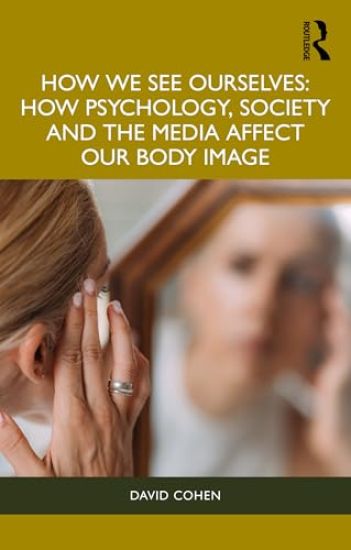
This light-hearted and entertaining book, authored by top psychologist David Cohen, explores the influences and impacts on our perception of body image, examining the power of appearance and the psychology behind how we think and feel about ourselves physically.Packed with scientific findings alongside historical anecdotes and humorous insights, the book first looks at the history of body image and appearance, and how ideals of beauty have changed over time. It goes on to note the rise of the beauty and fashion industries, looking at how society, culture and the media can affect body image. The final section deals with issues of body dissatisfaction and the treatments and therapy available for those struggling with body image and mental health. Along the way, readers will meet a cast of characters from Elizabeth I, a daring, medieval Welsh poet, an Egyptian mummy with the first known tattoo, Paul F. Schilder who pioneered the study of body image, and the brave recipients of the first face transplants, among many more.In his trademark engaging style, Cohen offers a rich account of the psychology of body image through the ages and through the lifespan. It is valuable reading for students of psychology and professionals and therapists aiming to promote body positivity.
This light-hearted and entertaining book, authored by top psychologist David Cohen, explores the influences and impacts on our perception of body image, examining the power of appearance and the psychology behind how we think and feel about ourselves physically.Packed with scientific findings alongside historical anecdotes and humorous insights, the book first looks at the history of body image and appearance, and how ideals of beauty have changed over time. It goes on to note the rise of the beauty and fashion industries, looking at how society, culture and the media can affect body image. The final section deals with issues of body dissatisfaction and the treatments and therapy available for those struggling with body image and mental health. Along the way, readers will meet a cast of characters from Elizabeth I, a daring, medieval Welsh poet, an Egyptian mummy with the first known tattoo, Paul F. Schilder who pioneered the study of body image, and the brave recipients of the first face transplants, among many more.In his trademark engaging style, Cohen offers a rich account of the psychology of body image through the ages and through the lifespan. It is valuable reading for students of psychology and professionals and therapists aiming to promote body positivity.
How do we get from helpless baby to knowing teenager? What impact do iPads, social media, video games, and evolving technology have on the way children's minds develop?How we learn to think, perceive, remember, talk, reason, and learn is a central topic in psychology – and one that sees constant new research. How the Child's Mind Develops discusses the latest studies and covers all the controversies that have dogged the subject for nearly 150 years. David Cohen examines the fundamental issues of how children learn to read and write, of how their intellectual abilities are measured and the development of their morality. This fully updated Fourth Edition incorporates issues of cultural differences in brain development and skin-to-skin contact, and how they effect development, addiction to social media, the effect of trauma and stress, and emotional development.This book is an integrated and thought-provoking account of the central issues in child development. Students, parents, and professionals will find it an invaluable introduction.
How do we get from helpless baby to knowing teenager? What impact do iPads, social media, video games, and evolving technology have on the way children's minds develop?How we learn to think, perceive, remember, talk, reason, and learn is a central topic in psychology – and one that sees constant new research. How the Child's Mind Develops discusses the latest studies and covers all the controversies that have dogged the subject for nearly 150 years. David Cohen examines the fundamental issues of how children learn to read and write, of how their intellectual abilities are measured and the development of their morality. This fully updated Fourth Edition incorporates issues of cultural differences in brain development and skin-to-skin contact, and how they effect development, addiction to social media, the effect of trauma and stress, and emotional development.This book is an integrated and thought-provoking account of the central issues in child development. Students, parents, and professionals will find it an invaluable introduction.
A must-read for software developers lacking command-line skills, focusing on Linux. It provides transferable command-line proficiency for use in Mac OS, Unix, and Windows with WSL Key Features A practical, no-nonsense guide specifically written for developers (not sysadmins) who need to quickly learn command-line skills Expand your practical skills and look like a wizard on the command line Build practical skills to work effectively with the most common CLI tools on Unix-like systems Book DescriptionDevelopers are always looking to raise their game to the next level, yet most are completely lost when it comes to the Linux command line. This book is the bridge that will take you to the next level in your software development career. Most of the skills in the book can be immediately put to work to make you a more efficient developer. It’s written specifically for software engineers, not Linux system administrators, so each chapter will equip you with just enough theory to understand what you’re doing before diving into practical commands that you can use in your day-to-day work as a software developer. As you work through the book, you’ll quickly absorb the basics of how Linux works while you get comfortable moving around the command line. Once you’ve got the core skills, you’ll see how to apply them in different contexts that you’ll come across as a software developer: building and working with Docker images, automating boring build tasks with shell scripts, and troubleshooting issues in production environments. By the end of the book, you’ll be able to use Linux and the command line comfortably and apply your newfound skills in your day-to-day work to save time, troubleshoot issues, and be the command-line wizard that your team turns to.What you will learn Learn useful command-line tricks and tools that make software development, testing, and troubleshooting easy Understand how Linux and command line environments actually work Create powerful, customized tools and save thousands of lines of code with developer-centric Linux utilities Gain hands-on experience with Docker, SSH, and Shell scripting tasks that make you a more effective developer Get comfortable searching logs and troubleshooting problems on Linux servers Handle common command-line situations that stump other developers Who this book is forThis book is for software developers who want to build practical Command-Line (CLI) and Linux skills and who want to quickly fill the gap to advance their skills and their career. Basic knowledge of editing text, working with files and folders, having some idea of what “operating systems” are, installing software, and using a development environment is assumed.
"I wish I had not had to write this book because then my lovely son Reuben would still be alive," says David Cohen. "He was adorable, formidably intelligent, a loving son, a loving brother. He died far too young. He had the bad luck to have two grandparents who had addictive personalities. His efforts to resist the lure of drugs failed. And so did I."The Book of My Son Reuben is a personal account of how psychologist David Cohen coped – and did not cope – with the death of his son, Reuben. Offering a unique perspective on the experience of parental loss, it offers a personal and analytical exploration of sorrow and guilt, and of what research tells us about trauma and grief. Illustrated throughout with David Cohen’s personal insight into how he continues to navigate his loss, this honest book provides a deeper understanding of loss for parents who have experienced it, as well as those who support them. The book remembers the many parents who have lost children throughout history and chapters weave personal perspectives with the latest research. It examines the experience of sudden deaths, the failures of society in preventing children from dying, the role of social media, how the loss of a child impacts fathers, siblings and relationships, and the usefulness – or otherwise – of bereavement therapies. A tribute to Reuben’s life, this sensitive volume is for those who have experienced loss and want to gain better understanding of their experience, as well as psychologists, psychotherapists and counsellors working with families.
"I wish I had not had to write this book because then my lovely son Reuben would still be alive," says David Cohen. "He was adorable, formidably intelligent, a loving son, a loving brother. He died far too young. He had the bad luck to have two grandparents who had addictive personalities. His efforts to resist the lure of drugs failed. And so did I."The Book of My Son Reuben is a personal account of how psychologist David Cohen coped – and did not cope – with the death of his son, Reuben. Offering a unique perspective on the experience of parental loss, it offers a personal and analytical exploration of sorrow and guilt, and of what research tells us about trauma and grief. Illustrated throughout with David Cohen’s personal insight into how he continues to navigate his loss, this honest book provides a deeper understanding of loss for parents who have experienced it, as well as those who support them. The book remembers the many parents who have lost children throughout history and chapters weave personal perspectives with the latest research. It examines the experience of sudden deaths, the failures of society in preventing children from dying, the role of social media, how the loss of a child impacts fathers, siblings and relationships, and the usefulness – or otherwise – of bereavement therapies. A tribute to Reuben’s life, this sensitive volume is for those who have experienced loss and want to gain better understanding of their experience, as well as psychologists, psychotherapists and counsellors working with families.
In a rapidly changing world, children have more of a voice than ever before. In The New Power of Children and Young People, David Cohen explores how this has happened, what the consequences might be and how we can best engage with our young people.David Cohen considers the social, political and psychological issues involved in children and young people’s influence, and how it impacts the balance of power between children and parents and other adults in their lives. It examines crucial topics including the role of high-profile young people such as Malala Yousafzai and Greta Thunberg; their knowledge of and anxieties around global issues such as climate change; children’s relationships with technology and social media; their changing relationships with parents and guardians; how children develop a sense of justice; sex and relationships; how children are depicted in TV and film; young people’s experience of education; and shines a light on their growing political confidence and engagement. Young people should be interested as well as parents, teachers, social workers, politicians and other key professionals involved in children and young people’s lives. This thought-provoking book offers insight to help us understand young people’s lives.
In a rapidly changing world, children have more of a voice than ever before. In The New Power of Children and Young People, David Cohen explores how this has happened, what the consequences might be and how we can best engage with our young people.David Cohen considers the social, political and psychological issues involved in children and young people’s influence, and how it impacts the balance of power between children and parents and other adults in their lives. It examines crucial topics including the role of high-profile young people such as Malala Yousafzai and Greta Thunberg; their knowledge of and anxieties around global issues such as climate change; children’s relationships with technology and social media; their changing relationships with parents and guardians; how children develop a sense of justice; sex and relationships; how children are depicted in TV and film; young people’s experience of education; and shines a light on their growing political confidence and engagement. Young people should be interested as well as parents, teachers, social workers, politicians and other key professionals involved in children and young people’s lives. This thought-provoking book offers insight to help us understand young people’s lives.
Inspecting Psychology takes a sleuth’s magnifying glass to the interplay between psychology, psychiatry and detective fiction to provide a unique examination of the history of psychology. As psychology evolved over the centuries, so did crime writing. This book looks at how the psychological movements of the time influenced classic authors from Agatha Christie and Arthur Conan Doyle to Dorothy Sayers and Georges Simenon, to reveal an enduring connection between psychology and the human need to solve mysteries. Some key puzzles. Why did Agatha Christie make so many doctors killers in her books? Why did Simenon not become a psychiatrist? Did Lord Peter Wimsey have all the charm, passion and tenderness no lover gave Dorothy Sayers?Beginning with the earliest origins of psychology in Greek literature alongside the Oedipal story and the ideas of Aristotle, the book travels through to the late 18th and 19th centuries and the work of Edgar Allan Poe who wrote the first detective story proper. With the birth of modern psychology in the late 19th century, the growing fascination with understanding behaviour coincided with the popular whodunnit. Readers are whisked through the development of psychology in the 20th century and beyond, from the impact of shell shock in the First World War and the early understanding of mental illness through to the growth of psychoanalysis and the ideas of Freud, behaviourism and attachment theory. At every stop on this original rattle through history, David Cohen reveals the influence these psychological movements had on crime writers and their characters and plots. The result is a highly enjoyable, engaging read for those interested in how the unique pairing of the history of psychology with the history of the detective novel can unveil insights into the human condition. It should appeal to anyone interested in psychology who wants their subject served with a thriller on the side.
Inspecting Psychology takes a sleuth’s magnifying glass to the interplay between psychology, psychiatry and detective fiction to provide a unique examination of the history of psychology. As psychology evolved over the centuries, so did crime writing. This book looks at how the psychological movements of the time influenced classic authors from Agatha Christie and Arthur Conan Doyle to Dorothy Sayers and Georges Simenon, to reveal an enduring connection between psychology and the human need to solve mysteries. Some key puzzles. Why did Agatha Christie make so many doctors killers in her books? Why did Simenon not become a psychiatrist? Did Lord Peter Wimsey have all the charm, passion and tenderness no lover gave Dorothy Sayers?Beginning with the earliest origins of psychology in Greek literature alongside the Oedipal story and the ideas of Aristotle, the book travels through to the late 18th and 19th centuries and the work of Edgar Allan Poe who wrote the first detective story proper. With the birth of modern psychology in the late 19th century, the growing fascination with understanding behaviour coincided with the popular whodunnit. Readers are whisked through the development of psychology in the 20th century and beyond, from the impact of shell shock in the First World War and the early understanding of mental illness through to the growth of psychoanalysis and the ideas of Freud, behaviourism and attachment theory. At every stop on this original rattle through history, David Cohen reveals the influence these psychological movements had on crime writers and their characters and plots. The result is a highly enjoyable, engaging read for those interested in how the unique pairing of the history of psychology with the history of the detective novel can unveil insights into the human condition. It should appeal to anyone interested in psychology who wants their subject served with a thriller on the side.
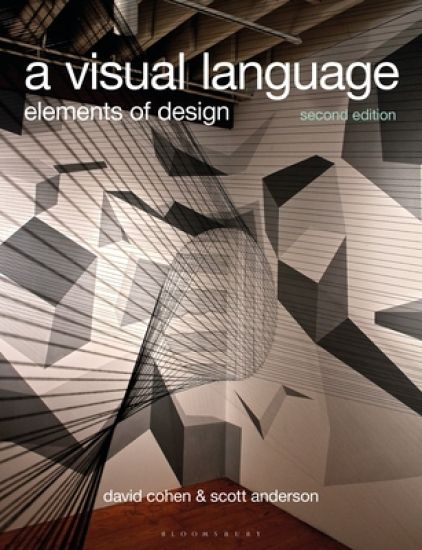
A Visual Language is a practical introduction to the language of the visual arts, with a strong, innovative methodology. This expanded second edition begins with the basics of shape, composition and drawing, and gradually moves on to explore more complex arrangements, including abstract and representational analysis and composition. Building on the principles of visual language established in their last book, the authors now explore three-dimensional forms of increasing complexity.The final chapter of the book is devoted to a selection of sketchbook studies on ten international artists from various different visual disciplines, from architects and animators to painters and performance artists. This section demonstrates practically the methods presented earlier in the book, and helps visual artists to develop skills and confidence in their artistic work.Featuring a large number of new images, this book is essential reading for any artist in any field, regardless of their level, and is the only introduction to the visual arts that a beginner should require.
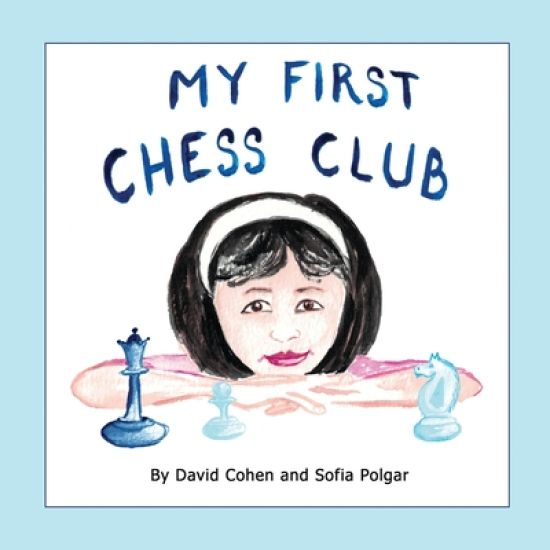
Young readers are invited to the magical world of chess. Our heroine shares the story of her first Chess Club, where kings and queens dance on the board. We see her friendships, and what life skills she learns by playing the game.Inspired by a true story.Review"My First Chess Club shows how playing chess, under the supervision of a caring teacher, conveys life lessons. At a school library chess club, children cooperate, focus attention, think before they move, and clean up when games are done. Author David Cohen distills his experience as a chess club organizer into useful lessons, while International Master Sofia Polgar's gifts in chess and artistic expression shine in her exquisite chess poems and illustrations."- Dr. Alexey Root, Woman International Master, author of Children and Chess: A Guide for Educators
2020 has been the year of the virus, and it will not be a mere footnote in history. This book reflects on the unprecedented changes to our lives and the impact on our behaviour as we lived through social isolation during the global COVID-19 pandemic. From sociable creatures of habit, we were forced into a period of uncertainty, restriction and risk, physically separated from families and friends.Packed with guidance and coping strategies for lockdown, this book, authored by top psychologist David Cohen, explores the impact of this widespread quarantine on our relationships, our children, our mental health and our daily lives. Benedictine monks, hermit popes, Dorothy Sayers, Daniel Defoe (who made the isolated Robinson Crusoe a hero), Sigmund Freud and a rabbi’s angry dog are all among the cast of characters as we are taken on a whistle-stop tour through plagues in history and brain science, to the importance of introspection and how to make meaning from lockdown. In his trademark entertaining style, Cohen examines the psychology behind our behaviour during this unusual time to discover what we can learn about human nature, what lessons we can learn for the future – and whether we will apply them.
A self-taught son of Irish immigrants, devout Catholic, King Country farmer and farming lobbyist, Jim Bolger entered New Zealand political life in the 1970s. He was a flinty Minister of Labour under Robert Muldoon and Prime Minister from 1990 to 1997. As ambassador to Washington, he helped create warmer relations with the United States. In recent years, he has chaired boards, has been the chancellor of the University of Waikato and marked more than a half-century of marriage to Joan. Never given to orthodoxies, yet staunchly National in his politics, in his still-energetic eighties he remains an impressively brisk progressive thinker. For six months he regularly sat down on Fridays with the writer David Cohen to reflect on his life and times, our nation and the world. Fridays with Jim reveals a quintessential man of the old New Zealand who is fully in sync with the new New Zealand, and with plenty of ideas about where it's all heading.
Like its Nuremberg counterpart, the Tokyo Trial was foundational in the field of international law. However, until now, the persistent notion of 'victor's justice' in the existing historical literature has made it difficult to treat it as such. David Cohen and Yuma Totani seek to redress this by cutting through persistent orthodoxies and ideologies that have plagued the trial. Instead they present it simply as a judicial process, and in so doing reveal its enduring importance for international jurisprudence. A wide range of primary sources are considered, including court transcripts, court exhibits, the majority judgment, and five separate concurring and dissenting opinions. The authors also provide comparative analysis of the Allied trials at Nuremberg, resulting in a comprehensive and empirically grounded study of the trial. The Tokyo Tribunal was a watershed moment in the history of the Asia-Pacific region. This groundbreaking study reveals it is of continuing relevance today.