Kirjojen hintavertailu. Mukana 12 595 353 kirjaa ja 12 kauppaa.

Kirjailija

David E. Kime

Kirjat ja teokset yhdessä paikassa: 2 kirjaa, julkaisuja vuosilta 1998-2012, suosituimpien joukossa Endocrine Disruption in Fish. Vertaile teosten hintoja ja tarkista saatavuus suomalaisista kirjakaupoista.

2 kirjaa

Kirjojen julkaisuhaarukka 1998-2012.

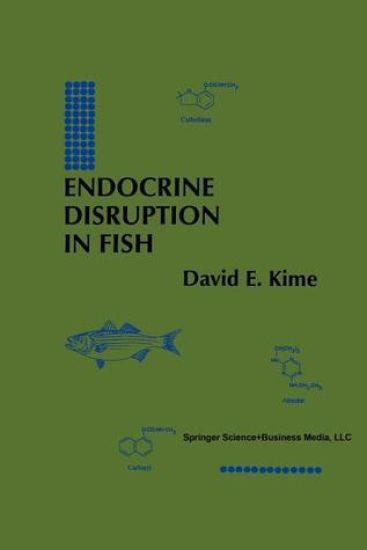
Endocrine Disruption in Fish

Endocrine Disruption in Fish

David E. Kime

Springer-Verlag New York Inc.
2012
nidottu
The last half-century has shown a dramatic increase in the standard of living of millions of people in Europe, North America and many parts of the Third World. This has, in many ways been brought about by scientific and technical developments which were initiated in the 1940s and 1950s. Promises were then made that nuclear energy would provide electricity so cheap that it would not need metering, pesticides would end malnutrition throughout the world and plastics and other synthetic chemicals would revolutionise our manufacturing industry and our way of life. Whilst some of these promises have been fulfilled, the problems of long-term health risks to humans and wildlife arising from the use, production and disposal of these products were either unknown or deliberately understated. Nuclear power is rendered economically unviable when the real cost of decommissioning and storage of waste for several millenia is included, and the effects on health of both humans and wildlife of early pesteradication programmes with organochlorine pesticides were well documented in Rachel Carson's "Silent Spring". Evidence of the effects of aerosols and refrigerants on depletion of the ozone layer has led to restriction on the use of CFCs, and there is now increasing evidence of climate change resulting from our profligate use of fossil fuels.
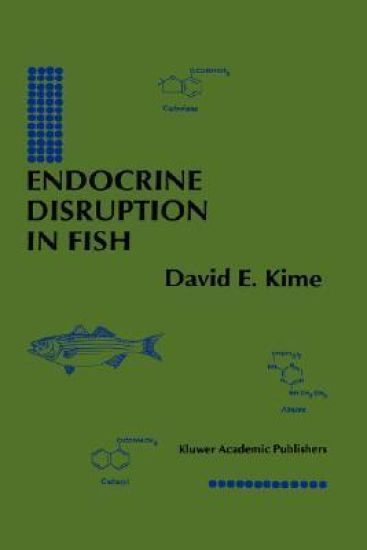
Endocrine Disruption in Fish

Endocrine Disruption in Fish

David E. Kime

Springer
1998
sidottu
The last half-century has shown a dramatic increase in the standard of living of millions of people in Europe, North America and many parts of the Third World. This has, in many ways been brought about by scientific and technical developments which were initiated in the 1940s and 1950s. Promises were then made that nuclear energy would provide electricity so cheap that it would not need metering, pesticides would end malnutrition throughout the world and plastics and other synthetic chemicals would revolutionise our manufacturing industry and our way of life. Whilst some of these promises have been fulfilled, the problems of long-term health risks to humans and wildlife arising from the use, production and disposal of these products were either unknown or deliberately understated. Nuclear power is rendered economically unviable when the real cost of decommissioning and storage of waste for several millenia is included, and the effects on health of both humans and wildlife of early pesteradication programmes with organochlorine pesticides were well documented in Rachel Carson's "Silent Spring". Evidence of the effects of aerosols and refrigerants on depletion of the ozone layer has led to restriction on the use of CFCs, and there is now increasing evidence of climate change resulting from our profligate use of fossil fuels.