
Kirjailija
David Elias
Kirjat ja teokset yhdessä paikassa: 6 kirjaa, julkaisuja vuosilta 2014-2025, suosituimpien joukossa The Tigre Language of Ginda?, Eritrea. Vertaile teosten hintoja ja tarkista saatavuus suomalaisista kirjakaupoista.
6 kirjaa
Kirjojen julkaisuhaarukka 2014-2025.
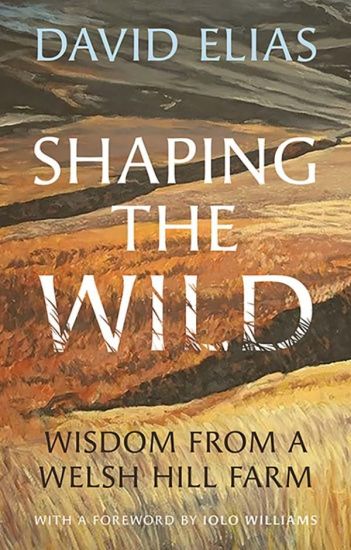
What can one Welsh hill farm tell us about how we can help nature to thrive? In recent times, farming has often been viewed as harmful to nature and the environment, causing friction between those wanting to protect wildlife and the farmers whose livelihoods depend on upon the land. Conservationists and governments frequently propose well-meaning ideas and policies to enable farming and conservation to work together, but all-too-often these do not have the intended results. At the heart of this is a lack of understanding about the realities of farming life and managing the land for nature. In this captivating debut, conservationist David Elias explores a farm in the Eryri (Snowdonia) National Park and unpacks what it shows us about the gritty reality of trying to reconcile hill farming and caring for nature. Visiting through the seasons, he forms a deep relationship with the land and the people who work it, coming to understand their particular way of life, history and concerns about the future. It is also a farm rich in nature and he brings his experienced eye to how its habitats and wildlife have been shaped by changing farming practices over the generations. Through lyrical prose and first-hand conversations with farmers, Elias also shows what current government policies have achieved – or not achieved – and why it is so important for us to understand what it really takes ensure farming families remain on the land while simultaneously allowing nature to flourish.
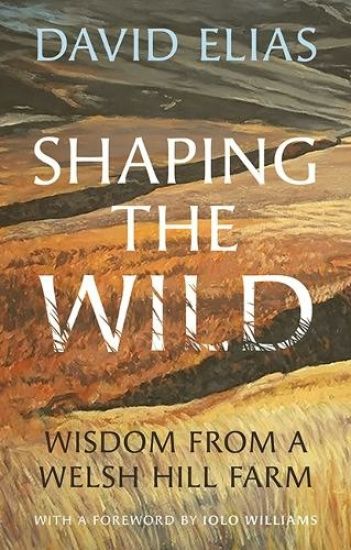
What can one Welsh hill farm tell us about how we can help nature to thrive? In recent times, farming has often been viewed as harmful to nature and the environment, causing friction between those wanting to protect wildlife and the farmers whose livelihoods depend on upon the land. Conservationists and governments frequently propose well-meaning ideas and policies to enable farming and conservation to work together, but all-too-often these do not have the intended results. At the heart of this is a lack of understanding about the realities of farming life and managing the land for nature. In this captivating debut, conservationist David Elias explores a farm in the Eryri (Snowdonia) National Park and unpacks what it shows us about the gritty reality of trying to reconcile hill farming and caring for nature. Visiting through the seasons, he forms a deep relationship with the land and the people who work it, coming to understand their particular way of life, history and concerns about the future. It is also a farm rich in nature and he brings his experienced eye to how its habitats and wildlife have been shaped by changing farming practices over the generations. Through lyrical prose and first-hand conversations with farmers, Elias also shows what current government policies have achieved – or not achieved – and why it is so important for us to understand what it really takes ensure farming families remain on the land while simultaneously allowing nature to flourish.
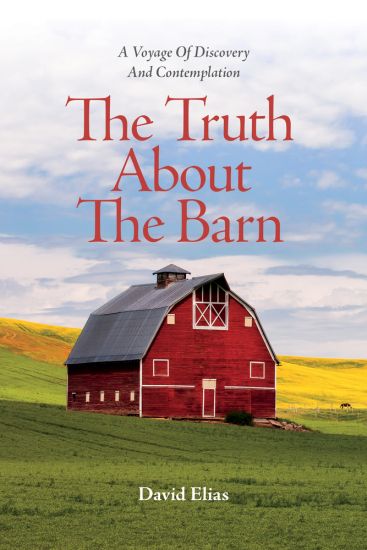
The Truth About The Barn offers answers to important questions about how barns came into being, why they look the way they do, why they’re worth reflecting on,and what possible future they may have. Chapters investigate the barn’s place in culture and religion, art and literature. Psychological and philosophical implications are explored.Readers are treated to an occasional recollection of the author’s own experiences with barns.

In The Tigre Language of Ginda?, Eritrea, David L. Elias documents the dialect of the Tigre language that is spoken in the town of Ginda? in eastern Eritrea. While the language of Tigre is spoken by perhaps one million people in Eritrea and Sudan, the population of Ginda? is fewer than 50,000 people. Elias describes basic aspects of phonology, morphology, syntax and lexicography. In contrast to other dialects of Tigre, of which approximately a dozen have been identified, Tigre of Ginda? exhibits the only recorded examples in Tigre of gender-specific first person possessives, e.g. ??nye ‘my eye’ (masc) vs. ??nce ‘my eye’ (masc/fem), and a new form of the negative of the verb of existence, yahallanni ‘there is not’. Contact with Arabic and Tigrinya has resulted in numerous loanwords and a few biforms in Tigre of Ginda?.