Kirjojen hintavertailu. Mukana 12 595 353 kirjaa ja 12 kauppaa.
Kirjailija
David Giles
Kirjat ja teokset yhdessä paikassa: 16 kirjaa, julkaisuja vuosilta 2002-2025, suosituimpien joukossa Erforschung der Lehrer-Schüler-Beziehungen mit hermeneutischer Phänomenologie. Vertaile teosten hintoja ja tarkista saatavuus suomalaisista kirjakaupoista.
How do you perform a MANOVA? What is grounded theory? How do you draw up a repertory grid? These, and many other questions are addressed in this wide-ranging handbook of methods and analytic techniques which uniquely covers both quantitative and qualitative methods.Based on a broad survey of undergraduate curricula, the book takes curious readers through all of the methods that are taught on psychology courses worldwide, from advanced ANOVA statistics through regression models to test construction, qualitative research and other more unusual techniques such as Q methodology, meta-analysis and log-linear analysis. Each technique is illustrated by recent examples from the literature. There are also chapters on ethics, significance testing, and writing for publication and research proposals.Advanced Research Methods in Psychology will provide an invaluable resource for advanced undergraduates, postgraduates and researchers who need a readable, contemporary and eclectic reference of advanced methods currently in use in psychological research.
Here is the ultimate quiz book on Cardiff City. Informative and fun, this is the perfect companion for those long car journeys to Preston, or wet Welsh nights down the local. An ideal gift for Bluebirds fans of all ages, here’s the chance to interact with the long and eventful history of the club, from formation and name changes to new stadia and Craig Bellamy. From cryptic to convivial, get your Cardiff thinking caps on – it’s quiz time!
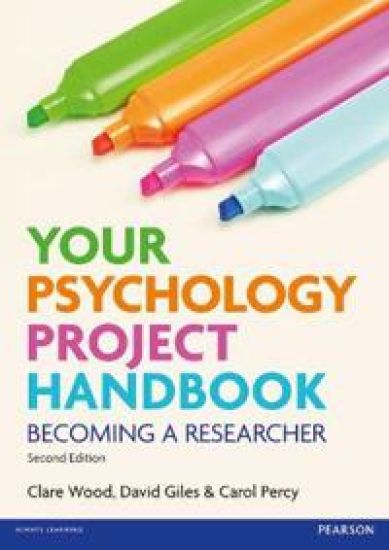
This is a comprehensive guide to completing your psychology research project or dissertation. The text is organised to reflect the natural progression through the project process, from developing the initial idea, managing your supervisor and ethical issues, through carrying out the research and finally writing it up.
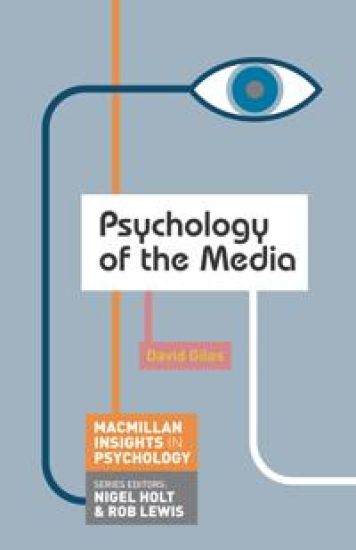
From newspapers to social networking sites, the mass media play a huge role in shaping the way we see ourselves and others.In this engaging introduction, Giles explores our relationship with the media, looking at the effects of advertising, celebrity worship and media influence on violent behaviour.Whatever your level of study, this introduction will help you to evaluate the full reach of the media in our lives.
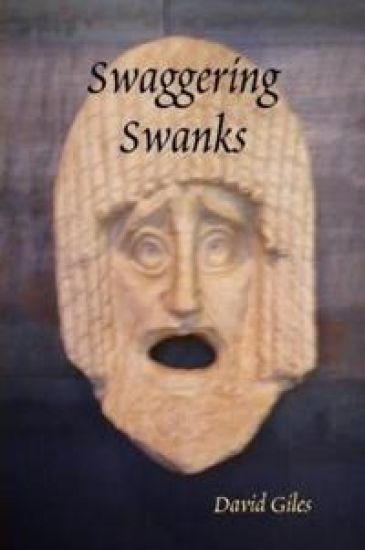
What happens when nice boys turn nasty? In Swaggering Swanks two PhD students researching the topic of burglary find themselves out of money, dumped by their girlfriends and freezing to death in their rented home...should they put their academic knowledge into practice? They have their supervisor to think of...but he's no angel himself. And their relationships, past and present...what will the girls make of it all? And what would happen if the real burglars ever found out? David Giles's debut novel takes us on a bumpy ride across the buttocks of an imaginary South London cityscape - a world where, whatever you are doing to attract the attention of the local constabulary, a few streets away someone is doing something worse. Town and gown tense up and have a good hard stare at one another. Who will be the first to back down?
Media Psychology examines the impact that 21st century media use has on human behavior, from teenage crushes on pop stars to soap fandom in adulthood. It brings together North American communication research with European media research in a variety of disciplines--psychology, sociology, communication and media studies--and in doing so, maps out the territory for media psychology. David Giles argues that psychologists have been guilty of ignoring the influence of the media over the last century, seeing it at best as a minor nuisance that will eventually go away. However, with the increasing prevalence of new electronic forms of mass communication, the media seem to have a greater influence than ever over our daily lives. In this book, Dr. Giles tackles the traditional topics of media psychology--sex, violence, advertising--along with sections on developmental aspects of media influence and the psychology of the audience. He also examines a number of specific media genres--news, sports, soaps, and the increasingly popular audience participation media, such as "reality" and "lifestyle" television. In addition, he asks what light psychology can shed on the popularity of these genres and the response of their audiences. Finally, there are chapters on the increasing influence of the Internet and on the representation of psychology and psychologists themselves in the media.
Media Psychology examines the impact that 21st century media use has on human behavior, from teenage crushes on pop stars to soap fandom in adulthood. It brings together North American communication research with European media research in a variety of disciplines--psychology, sociology, communication and media studies--and in doing so, maps out the territory for media psychology. David Giles argues that psychologists have been guilty of ignoring the influence of the media over the last century, seeing it at best as a minor nuisance that will eventually go away. However, with the increasing prevalence of new electronic forms of mass communication, the media seem to have a greater influence than ever over our daily lives. In this book, Dr. Giles tackles the traditional topics of media psychology--sex, violence, advertising--along with sections on developmental aspects of media influence and the psychology of the audience. He also examines a number of specific media genres--news, sports, soaps, and the increasingly popular audience participation media, such as "reality" and "lifestyle" television. In addition, he asks what light psychology can shed on the popularity of these genres and the response of their audiences. Finally, there are chapters on the increasing influence of the Internet and on the representation of psychology and psychologists themselves in the media.
How do you perform a MANOVA? What is grounded theory? How do you draw up a repertory grid? These, and many other questions are addressed in this wide-ranging handbook of methods and analytic techniques which uniquely covers both quantitative and qualitative methods.Based on a broad survey of undergraduate curricula, the book takes curious readers through all of the methods that are taught on psychology courses worldwide, from advanced ANOVA statistics through regression models to test construction, qualitative research and other more unusual techniques such as Q methodology, meta-analysis and log-linear analysis. Each technique is illustrated by recent examples from the literature. There are also chapters on ethics, significance testing, and writing for publication and research proposals.Advanced Research Methods in Psychology will provide an invaluable resource for advanced undergraduates, postgraduates and researchers who need a readable, contemporary and eclectic reference of advanced methods currently in use in psychological research.