Kirjojen hintavertailu. Mukana 12 657 676 kirjaa ja 12 kauppaa.

Kirjailija

David Glover

Kirjat ja teokset yhdessä paikassa: 61 kirjaa, julkaisuja vuosilta 1990-2024, suosituimpien joukossa Trucks in Action. Vertaile teosten hintoja ja tarkista saatavuus suomalaisista kirjakaupoista.

61 kirjaa

Kirjojen julkaisuhaarukka 1990-2024.

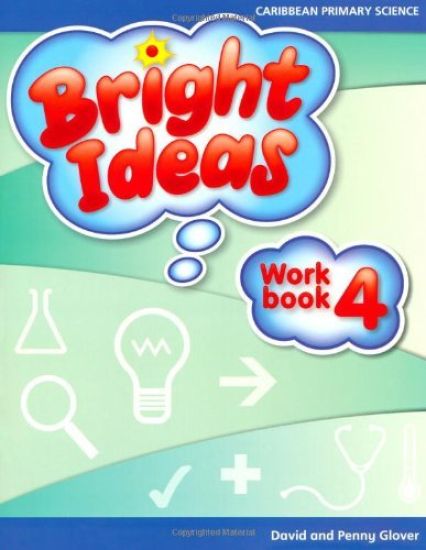
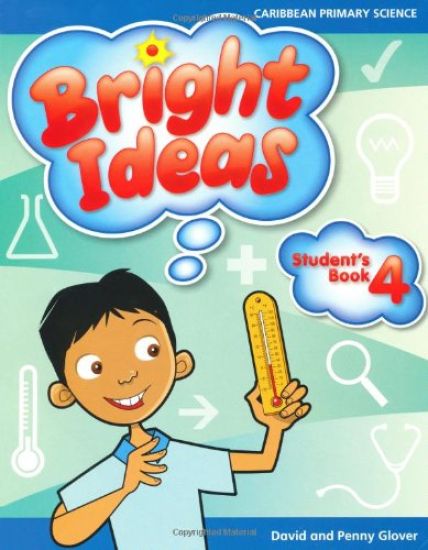
Bright Ideas: Primary Science Workbook 4

Bright Ideas: Primary Science Workbook 4

David Glover

Macmillan Education
2010
nidottu
Key features of the Workbooks are: • Scientific idea supported by a variety of lively and entertaining exercises• Activities to develop a scientific vocabulary• Carefully planned balance of writing, drawing, labelling, sequencing and other exercises • Content structured in lessons-sized topics clearly linked to the Student's Books• Graded language appropriate to student’s reading age• Caribbean contexts and examples Separate Teacher’s Guides, with background information, teaching notes and support for remedial and extension activities are also available.
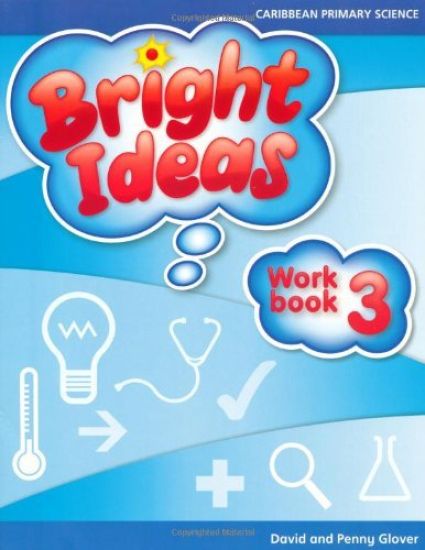
Bright Ideas: Primary Science Workbook 3

Bright Ideas: Primary Science Workbook 3

David Glover

Macmillan Education
2010
nidottu
Key features of the Workbooks are: • Scientific idea supported by a variety of lively and entertaining exercises• Activities to develop a scientific vocabulary• Carefully planned balance of writing, drawing, labelling, sequencing and other exercises • Content structured in lessons-sized topics clearly linked to the Student's Books• Graded language appropriate to student’s reading age• Caribbean contexts and examples Separate Teacher’s Guides, with background information, teaching notes and support for remedial and extension activities are also available.
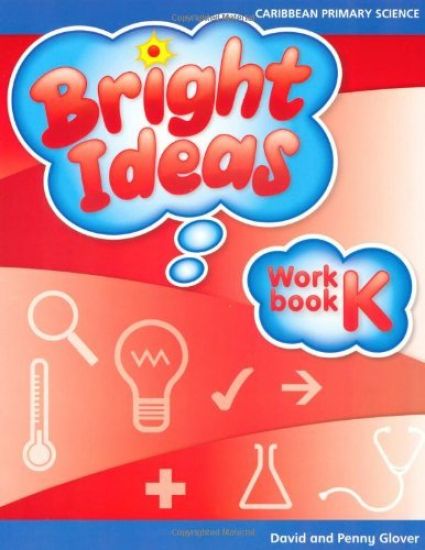
Bright Ideas: Primary Science Workbook K

Bright Ideas: Primary Science Workbook K

David Glover

Macmillan Education
2010
nidottu
Key features of the Workbooks are: • Scientific idea supported by a variety of lively and entertaining exercises• Activities to develop a scientific vocabulary• Carefully planned balance of writing, drawing, labelling, sequencing and other exercises • Content structured in lessons-sized topics clearly linked to the Student's Books• Graded language appropriate to student’s reading age• Caribbean contexts and examples Separate Teacher’s Guides, with background information, teaching notes and support for remedial and extension activities are also available.
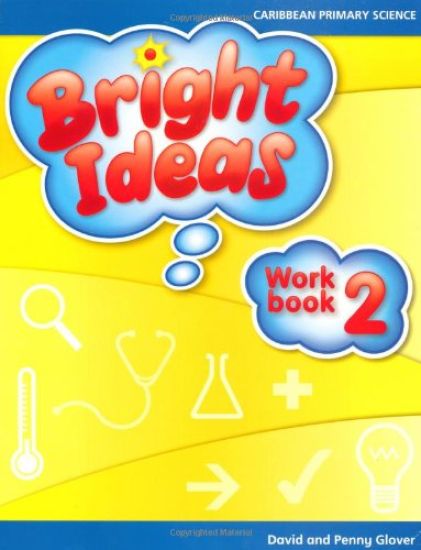
Bright Ideas: Primary Science Workbook 2

Bright Ideas: Primary Science Workbook 2

David Glover

Macmillan Education
2010
nidottu
Key features of the Workbooks are: • Scientific idea supported by a variety of lively and entertaining exercises• Activities to develop a scientific vocabulary• Carefully planned balance of writing, drawing, labelling, sequencing and other exercises • Content structured in lessons-sized topics clearly linked to the Student's Books• Graded language appropriate to student’s reading age• Caribbean contexts and examples Separate Teacher’s Guides, with background information, teaching notes and support for remedial and extension activities are also available.
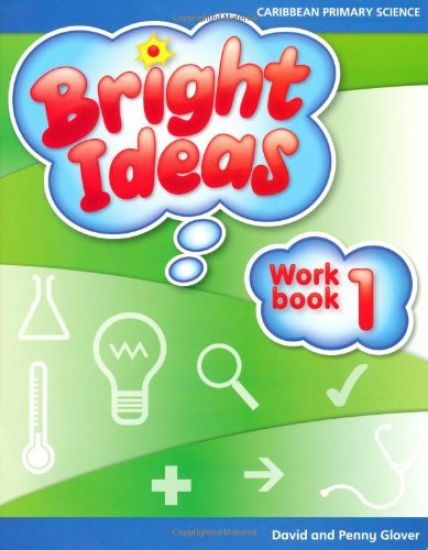
Bright Ideas: Primary Science Workbook 1

Bright Ideas: Primary Science Workbook 1

David Glover

Macmillan Education
2010
nidottu
Key features of the Workbooks are: • Scientific idea supported by a variety of lively and entertaining exercises• Activities to develop a scientific vocabulary• Carefully planned balance of writing, drawing, labelling, sequencing and other exercises • Content structured in lessons-sized topics clearly linked to the Student's Books• Graded language appropriate to student’s reading age• Caribbean contexts and examples Separate Teacher’s Guides, with background information, teaching notes and support for remedial and extension activities are also available.
Bright Ideas: Macmillan Primary Science

Bright Ideas: Macmillan Primary Science

David Glover

Macmillan Education
2009
nidottu
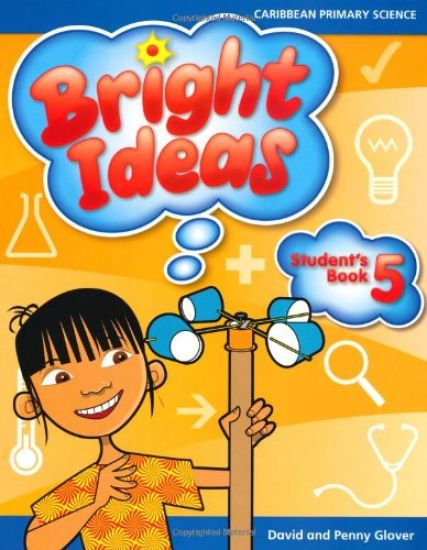
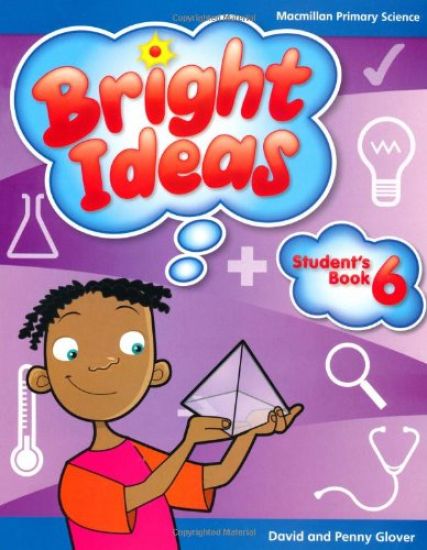
"Bright Ideas" is a new science course for all students in Caribbean primary schools. Developed to fulfil the requirements of primary science curricula throughout the region, the Student's Books and supporting materials promote a modern, student centred approach to science learning. There are seven full colour Student's Books from Kindergarten level to the final year of primary school. Workbooks to complement the Student's Books are available for each level of the course. Separate Teacher's Guides, with background information, teaching notes and support for remedial and extension activities are also available. This title features: scientific ideas introduced in a lively and entertaining way; content structured in lesson-sized topics with clearly stated objectives; graded language appropriate to student's reading age; numerous practical activities using everyday materials; wide variety of paper-and-pencil exercises, discussion topics and suggestions for group work to promote interactive learning; Caribbean contexts and issues examined in depth; high quality illustrations and photographs; review exercises and end of unit tests; extensive glossary to develop student's scientific vocabulary; and, internet links to promote independent research.
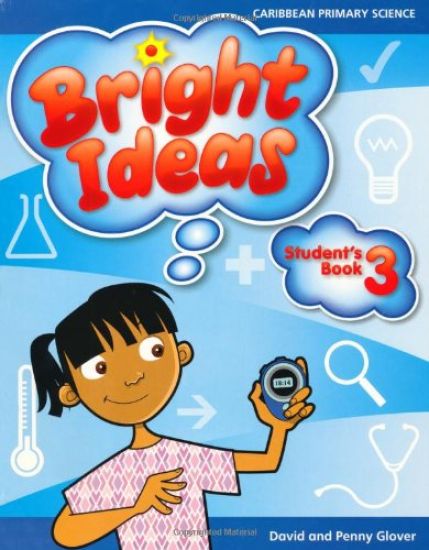
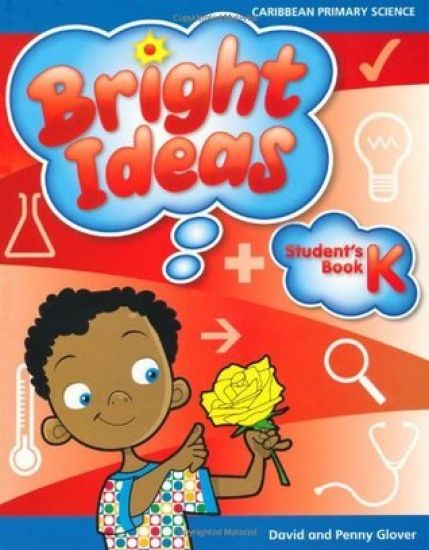
Bright Ideas: Primary Science Student's Book K

Bright Ideas: Primary Science Student's Book K

David Glover

Macmillan Education
2008
nidottu
Key features of the Student’s Books are: • scientific ideas introduced in a lively and entertaining way• content structured in lesson-sized topics with clearly stated objectives• graded language appropriate to student’s reading age• numerous practical activities using everyday materials• wide variety of paper-and-pencil exercises, discussion topics and suggestions for group work to promote interactive learning• Caribbean contexts and issues examined in depth• high quality illustrations and photographs• review exercises and end of unit tests• extensive glossary to develop student’s scientific vocabulary• internet links to promote independent research
Bright Ideas: Macmillan Primary Science

Bright Ideas: Macmillan Primary Science

David Glover

Macmillan Education
2008
nidottu
"Bright Ideas" is a new science course for all students in Caribbean primary schools. Developed to fulfil the requirements of primary science curricula throughout the region, the Student's Books and supporting materials promote a modern, student centred approach to science learning. There are seven full colour Student's Books from Kindergarten level to the final year of primary school. Workbooks to complement the Student's Books are available for each level of the course. Separate Teacher's Guides, with background information, teaching notes and support for remedial and extension activities are also available. This title features: scientific ideas introduced in a lively and entertaining way; content structured in lesson-sized topics with clearly stated objectives; graded language appropriate to student's reading age; numerous practical activities using everyday materials; wide variety of paper-and-pencil exercises, discussion topics and suggestions for group work to promote interactive learning; Caribbean contexts and issues examined in depth; high quality illustrations and photographs; review exercises and end of unit tests; extensive glossary to develop student's scientific vocabulary; and, internet links to promote independent research.
Bright Ideas: Macmillan Primary Science

Bright Ideas: Macmillan Primary Science

David Glover

Macmillan Education
2008
nidottu
'Bright Ideas' is a new science course for all students in Caribbean primary schools. Developed to fulfil the requirements of primary science curricula throughout the region, the Student's Books and supporting materials promote a modern, student centred approach to science learning. There are seven full colour Student's Books from Kindergarten level to the final year of primary school. Workbooks to complement the Student's Books are available for each level of the course. Separate Teacher's Guides, with background information, teaching notes and support for remedial and extension activities are also available. Key features of the Student's Books are: scientific ideas introduced in a lively and entertaining way; content structured in lesson-sized topics with clearly stated objectives; graded language appropriate to student's reading age; numerous practical activities using everyday materials; wide variety of paper-and-pencil exercises, discussion topics and suggestions for group work to promote interactive learning; Caribbean contexts and issues examined in depth; high quality illustrations and photographs; review exercises and end of unit tests; extensive glossary to develop student's scientific vocabulary; and, internet links to promote independent research.
Bright Ideas: Macmillan Primary Science

Bright Ideas: Macmillan Primary Science

David Glover

Macmillan Education
2008
nidottu
'Bright Ideas' is a new science course for all students in Caribbean primary schools. Developed to fulfil the requirements of primary science curricula throughout the region, the Student's Books and supporting materials promote a modern, student centred approach to science learning. There are seven full colour Student's Books from Kindergarten level to the final year of primary school. Workbooks to complement the Student's Books are available for each level of the course. Separate Teacher's Guides, with background information, teaching notes and support for remedial and extension activities are also available. Key features of the Student's Books are: scientific ideas introduced in a lively and entertaining way; content structured in lesson-sized topics with clearly stated objectives; graded language appropriate to student's reading age; numerous practical activities using everyday materials; wide variety of paper-and-pencil exercises, discussion topics and suggestions for group work to promote interactive learning; Caribbean contexts and issues examined in depth; high quality illustrations and photographs; review exercises and end of unit tests; extensive glossary to develop student's scientific vocabulary; and, internet links to promote independent research.
Bright Ideas: Macmillan Primary Science

Bright Ideas: Macmillan Primary Science

David Glover

Macmillan Education
2008
nidottu
'Bright Ideas' is a new science course for all students in Caribbean primary schools. Developed to fulfil the requirements of primary science curricula throughout the region, the Student's Books and supporting materials promote a modern, student centred approach to science learning. There are seven full colour Student's Books from Kindergarten level to the final year of primary school. Workbooks to complement the Student's Books are available for each level of the course. Separate Teacher's Guides, with background information, teaching notes and support for remedial and extension activities are also available. Key features of the Student's Books are: scientific ideas introduced in a lively and entertaining way; content structured in lesson-sized topics with clearly stated objectives; graded language appropriate to student's reading age; numerous practical activities using everyday materials; wide variety of paper-and-pencil exercises, discussion topics and suggestions for group work to promote interactive learning; Caribbean contexts and issues examined in depth; high quality illustrations and photographs; review exercises and end of unit tests; extensive glossary to develop student's scientific vocabulary; and, internet links to promote independent research.
Genders

Genders

David Glover; Cora Kaplan

Routledge
2008
sidottu
The concept of gender continues to be a central issue in literary and cultural studies, with a significance that crosses disciplinary boundaries and provokes lively debate. In this fully revised and updated second edition, David Glover and Cora Kaplan offer a lucid and illuminating introduction to ’gender’ and its implications, including: an overview of the critical language and concepts surrounding gender from their historical inception to contemporary debates discussions of the major theorists in the field updated and extended coverage of lesbian and queer theory a new glossary of terms essential to an understanding of the debate on gender in contemporary theory. With its impressive breadth and depth of coverage, this volume offers not only a comprehensive history of this complex term, but also indicates its ongoing presence in literary and cultural theory and the new directions it is taking.
Genders

Genders

David Glover; Cora Kaplan

Routledge
2008
nidottu
The concept of gender continues to be a central issue in literary and cultural studies, with a significance that crosses disciplinary boundaries and provokes lively debate. In this fully revised and updated second edition, David Glover and Cora Kaplan offer a lucid and illuminating introduction to ’gender’ and its implications, including: an overview of the critical language and concepts surrounding gender from their historical inception to contemporary debates discussions of the major theorists in the field updated and extended coverage of lesbian and queer theory a new glossary of terms essential to an understanding of the debate on gender in contemporary theory. With its impressive breadth and depth of coverage, this volume offers not only a comprehensive history of this complex term, but also indicates its ongoing presence in literary and cultural theory and the new directions it is taking.
Bright Ideas: Macmillan Primary Science

Bright Ideas: Macmillan Primary Science

David Glover

Macmillan Education
2008
nidottu
"Bright Ideas" is a new science course for all students in Caribbean primary schools. Developed to fulfil the requirements of primary science curricula throughout the region, the Student's Books and supporting materials promote a modern, student centred approach to science learning. There are seven full colour Student's Books from Kindergarten level to the final year of primary school. Workbooks to complement the Student's Books are available for each level of the course. Separate Teacher's Guides, with background information, teaching notes and support for remedial and extension activities are also available. This title features: scientific ideas introduced in a lively and entertaining way; content structured in lesson-sized topics with clearly stated objectives; graded language appropriate to student's reading age; numerous practical activities using everyday materials; wide variety of paper-and-pencil exercises, discussion topics and suggestions for group work to promote interactive learning; Caribbean contexts and issues examined in depth; high quality illustrations and photographs; review exercises and end of unit tests; extensive glossary to develop student's scientific vocabulary; and, internet links to promote independent research.
Trucks in Action

Trucks in Action

David Glover; Penny Glover

PowerKids Press
2007
sidottu
This title explores the world of trucks, including vehicles like the double-decker truck and articulated truck. Simple facts allow young readers to grasp these different concepts with relative ease.
POCKET FACTS YEAR 6 SPACE RACE

POCKET FACTS YEAR 6 SPACE RACE

David Glover

Pearson Education, Oxford
2005
pokkari
Pocket Facts is part of Pocket Reads, a superb collection of quality books that really capture children's imaginations! Pocket Reads have fantastic breadth and variety of genre, with Pocket Sci-Fi, Pocket Tales and Pocket Chillers making up the rest of the collection of independent readers. The fiction books are beautifully illustrated and are guaranteed to appeal to even the most reluctant of readers. The non-fiction readers are equally as stunning and will captivate and excite children with fascinating facts. The 105 pocket-sized fiction and non-fiction readers have each been carefully levelled to the National Curriculum and Book-Banded to ensure children make progression. You can therefore be assured that every reading experience is one that counts.
POCKET FACTS YEAR 5 INTERNET INVENTION

POCKET FACTS YEAR 5 INTERNET INVENTION

David Glover

PEARSON EDUCATION LIMITED
2005
pokkari
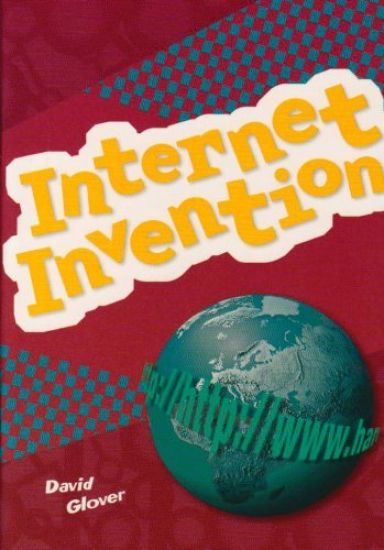
Pocket Facts is part of Pocket Reads, a superb collection of quality books that really capture children's imaginations! Pocket Reads have fantastic breadth and variety of genre, with Pocket Sci-Fi, Pocket Tales and Pocket Chillers making up the rest of the collection of independent readers. The fiction books are beautifully illustrated and are guaranteed to appeal to even the most reluctant of readers. The non-fiction readers are equally as stunning and will captivate and excite children with fascinating facts. The 105 pocket-sized fiction and non-fiction readers have each been carefully levelled to the National Curriculum and Book-Banded to ensure children make progression. You can therefore be assured that every reading experience is one that counts.
Vampires, Mummies and Liberals

Vampires, Mummies and Liberals

David Glover

Duke University Press
1996
pokkari
Nearly a hundred years after its debut in 1897, Dracula is still one of the most popular of all Gothic narratives, always in print and continually adapted for stage and screen. Paradoxically, David Glover suggests, this very success has obscured the historical conditions and authorial circumstances of the novel’s production. By way of a long overdue return to the novels, short stories, essays, journalism, and correspondence of Bram Stoker, Vampires, Mummies, and Liberals reconstructs the cultural and political world that gave birth to Dracula. To bring Stoker’s life into productive relationship with his writing, Glover offers a reading that locates the author within the changing commercial contours of the late-Victorian public sphere and in which the methods of critical biography are displaced by those of cultural studies. Glover’s efforts reveal a writer who was more wide-ranging and politically engaged than his current reputation suggests. An Irish Protestant and nationalist, Stoker nonetheless drew his political inspiration from English liberalism at a time of impending crisis, and the tradition’s contradictions and uncertainties haunt his work. At the heart of Stoker’s writing Glover exposes a preoccupation with those sciences and pseudo-sciences-from physiognomy and phrenology to eugenics and sexology-that seemed to cast doubt on the liberal faith in progress. He argues that Dracula should be read as a text torn between the stances of the colonizer and the colonized, unable to accept or reject the racialized images of backwardness that dogged debates about Irish nationhood. As it tracks the phantasmatic form given to questions of character and individuality, race and production, sexuality and gender, across the body of Stoker’s writing, Vampires, Mummies, and Liberals draws a fascinating portrait of an extraordinary transitional figure. Combining psychoanalysis and cultural theory with detailed historical research, this book will be of interest to scholars of Victorian and Irish fiction and to those concerned with cultural studies and popular culture.
Vampires, Mummies and Liberals

Vampires, Mummies and Liberals

David Glover

Duke University Press
1996
sidottu
Nearly a hundred years after its debut in 1897, Dracula is still one of the most popular of all Gothic narratives, always in print and continually adapted for stage and screen. Paradoxically, David Glover suggests, this very success has obscured the historical conditions and authorial circumstances of the novel’s production. By way of a long overdue return to the novels, short stories, essays, journalism, and correspondence of Bram Stoker, Vampires, Mummies, and Liberals reconstructs the cultural and political world that gave birth to Dracula. To bring Stoker’s life into productive relationship with his writing, Glover offers a reading that locates the author within the changing commercial contours of the late-Victorian public sphere and in which the methods of critical biography are displaced by those of cultural studies. Glover’s efforts reveal a writer who was more wide-ranging and politically engaged than his current reputation suggests. An Irish Protestant and nationalist, Stoker nonetheless drew his political inspiration from English liberalism at a time of impending crisis, and the tradition’s contradictions and uncertainties haunt his work. At the heart of Stoker’s writing Glover exposes a preoccupation with those sciences and pseudo-sciences-from physiognomy and phrenology to eugenics and sexology-that seemed to cast doubt on the liberal faith in progress. He argues that Dracula should be read as a text torn between the stances of the colonizer and the colonized, unable to accept or reject the racialized images of backwardness that dogged debates about Irish nationhood. As it tracks the phantasmatic form given to questions of character and individuality, race and production, sexuality and gender, across the body of Stoker’s writing, Vampires, Mummies, and Liberals draws a fascinating portrait of an extraordinary transitional figure. Combining psychoanalysis and cultural theory with detailed historical research, this book will be of interest to scholars of Victorian and Irish fiction and to those concerned with cultural studies and popular culture.