
Kirjailija
David Goodway
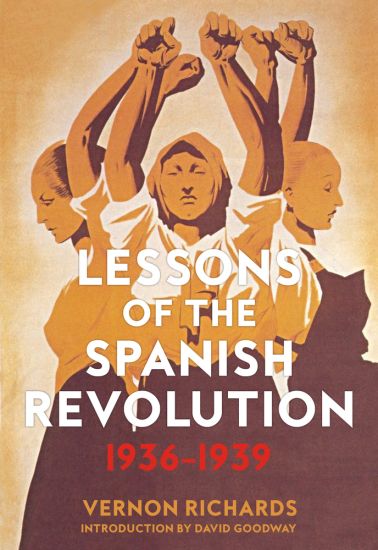
Kirjat ja teokset yhdessä paikassa: 5 kirjaa, julkaisuja vuosilta 2002-2026, suosituimpien joukossa Lessons Of The Spanish Revolution, 1936-1939. Vertaile teosten hintoja ja tarkista saatavuus suomalaisista kirjakaupoista.
5 kirjaa
Kirjojen julkaisuhaarukka 2002-2026.

David Goodway surveys key figures, among them Gerald Brenan, G.K. Chesterton, G.D.H. Cole, George Orwell, Raphael Samuel, E.P. Thompson and Colin Ward. He reflects on literature and experience, offering insights on the Bolshevik Revolution of 1917, the Spanish revolution, and the Peckham Health Centre as the model for an alternative to the Welfare State.? This anthology includes new and pioneering coverage of the Rossetti sisters addressing an episode in the very early days of anarchist activity in the UK. ‘Throughout, there runs an emphasis on the connection between British left-libertarianism and literature’. ?
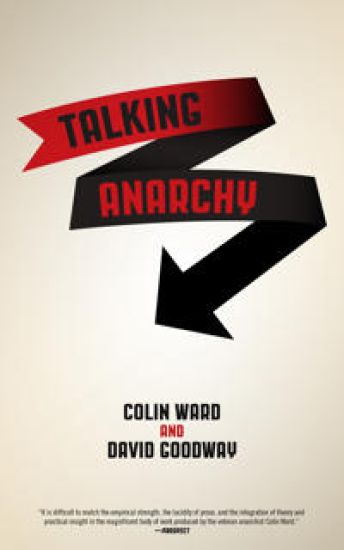
The ups and downs of the anarchist movement during the last century is discussed in this introduction to anarchist thought. Of all political views anarchism is the most ill-represented. For more than 30 years, in more than 30 books, Colin Ward has been patiently explaining anarchist solutions to everything from vandalism to climate change--as well as celebrating unofficial uses of the landscape as commons, from holiday camps to squatter communities. In this discussion with David Goodway, the many famous characters who were anarchists, or associated with the movement, are explored, including Herbert Read, Alex Comfort, Marie Louise Berneri, Paul Goodman, Noam Chomsky, and George Orwell.

This collection discusses both the history and theory of anarchism and in particular examines italian anarchism, the relationship between Marxism and anarchism, the influence of Kropotkin, new social movements and the anarchist theory of history.
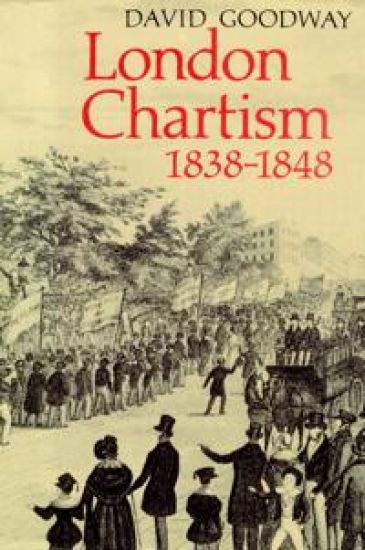
This book, the first full-length study of metropolitan Chartism, provides extensive new material for the 1840s and establishes the regional and national importance of the London movement throughout this decade. After an opening section which considers the economic and social structure of early-Victorian London, and provides an occupational breakdown of Chartists, Dr Goodway turns to the three main components of the metropolitan movement: its organized form; the crowd; and the trades. The development of London Chartism is correlated to economic fluctuations, and, after the nationally significant failure of London to respond in 1838–9, 1842 is seen as a peak in terms of conventional organization, and 1848 as the high point of turbulence and revolutionary potential. The section concludes with an exposition of the insurrectionary plans of 1848.