Kirjojen hintavertailu. Mukana 12 390 323 kirjaa ja 12 kauppaa.
Kirjailija
David H. Barlow
Kirjat ja teokset yhdessä paikassa: 37 kirjaa, julkaisuja vuosilta 2002-2025, suosituimpien joukossa Unified protocol terapeutmanual : diagnosöverskridande psykologisk behandling. Vertaile teosten hintoja ja tarkista saatavuus suomalaisista kirjakaupoista.
David H. Barlow; Todd J. Farchione; Shannon Sauer-Zavala; Heather Murray Latin; Kristen K. Ellard; Jacqueline R. Bullis; Kate H. Bentley; Hannah T. Boettcher; Clair Cassiello-Robbins
Många psykiatriska diagnoser överlappar varandra vad gäller uppkomst samt sårbarhets- och vidmakthållandefaktorer. Unified protocol är en banbrytande behandling med KBT som utgår från det som är gemensamt för olika tillstånd, istället för det diagnosspecifika.Behandlingsprogrammet har gott stöd för de flesta ångestsyndrom och för depression, liksom vid andra tillstånd där problem med känsloreglering är centralt. En stor fördel är att programmet kan användas oavsett om klienten lider av en eller flera diagnoser. Boken ger lättfattlig och detaljerad information om hur varje session ska genomföras.Denna terapeutmanual riktar sig till kliniker med utbildning i KBT samt till studerande. Manualen ska användas ihop med Unified protocol – Arbetsbok, som innehåller psykoedukation, övningar och hemuppgifter.Huvudförfattare är David H. Barlow, professor emeritus i psykologi och psykiatri, som är en av världens främsta psykoterapiforskare.Manualen har fackgranskats av Billy Larsson, fil.dr, leg. psykolog, leg. psykoterapeut och handledare.Uppdateringar i denna nya utgåva:Utökat forskningsstödTydligare beskrivning av hur du utför behandlingenNya kapitel om funktionell bedömning och om Unified protocol i gruppformatMer användarvänligt arbetsmaterial
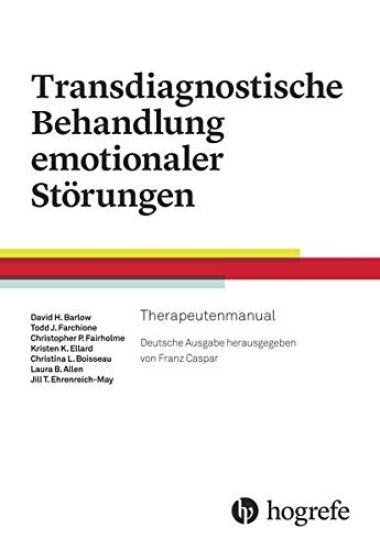
David H. Barlow; Todd J. Farchione; Shannon Sauer-Zavala; Heather Murray Latin; Kristen K. Ellard; Jacqueline R. Bullis; Kate H. Bentley; Hannah T. Boettcher; Clair Cassiello-Robbins
Unified Protocol for transdiagnostisk behandling av emosjonelle lidelser (UP) er et alternativ til diagnosespesifikk behandling. Metoden er utviklet av professor David H. Barlow og kollegaer ved Center for Anxiety and Related Disorders ved Boston University. UP kan brukes på tvers av angstlidelser, depresjon og andre tilstander hvor vansker med å regulere følelser er sentralt. Denne terapeutveilederen og den tilhørende arbeidsboken presenterer et strukturert behandlingsprogram bestående av åtte moduler. Behandlingen hjelper pasienter å møte og håndtere utfordrende følelser på mer hensiktsmessige måter. Tilnærmingen er emosjonsfokusert og bygger på prinsipper fra kognitiv atferdsterapi. Den norske oversettelsen gir en grundig innføring i behandlingsprinsippene i UP og konkret veiledning i hvordan de kan formidles og anvendes i klinisk praksis. Veilederen inkluderer også funksjonell kartlegging av emosjonelle vansker og en beskrivelse av hvordan UP kan tilpasses og gjennomføres i et gruppeformat.
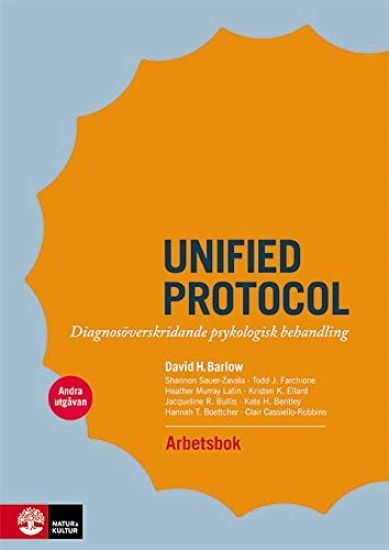
David H. Barlow; Shannon Sauer-Zavala; Todd J. Farchione; Heather K. Ellard; Jacqueline R. Bullis; Kate H. Bentley; Hannah T. Boettcher; Clair Cassiello-Robbins
Upplever du starka, obehagliga känslor som hindrar dig från att leva så som du vill? Ångest, rädsla och nedstämdhet förekommer ofta tillsammans och kan begränsa din tillvaro. Forskning visar att behandlingsprogrammet i den här boken, Unified protocol, kan hjälpa dig oavsett om du lider av depression, något ångestsyndrom – eller av flera problem samtidigt.Behandlingen bygger på kognitiv beteendeterapi, där du aktivt tränar för att utveckla nya färdigheter. Steg för steg vägleds du till att bättre förstå dina känsloupplevelser, vad som förvärrar dina symtom – och framför allt vad du kan göra för att börja må bättre. Rikligt med fallbeskrivningar, dialoger och exempel visar hur behandlingen går till.Du använder boken i samarbete med en terapeut.Huvudförfattare är David H. Barlow, professor emeritus i psykologi och psykiatri, som är en av världens främsta psykoterapiforskare.Svensk fackgranskning av Billy Larsson, fil.dr, leg. psykolog, leg. psykoterapeut och handledare.
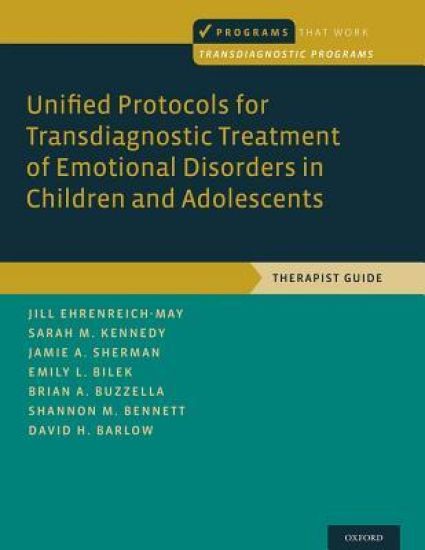
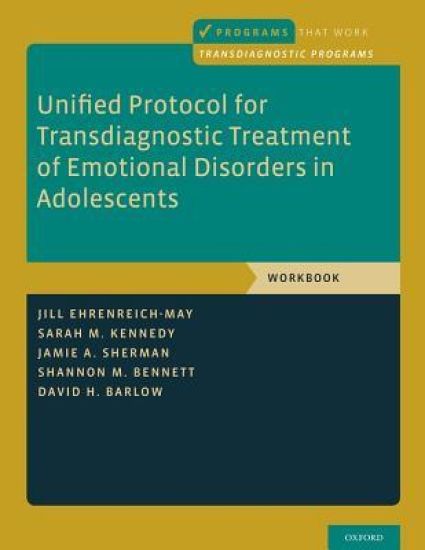
The Unified Protocols for Transdiagnostic Treatment of Emotional Disorders in Children and Adolescents, based in groundbreaking research from Jill Ehrenreich-May, David H. Barlow, and colleagues, suggest that there may be a simpler and more efficient method of utilizing effective strategies, such as those commonly included in CBT and third-wave behavior therapies, in a manner that addresses the broad array of emotional disorder symptoms in children and adolescents. The Unified Protocols for children and adolescents include a Therapist Guide with two full courses of therapy described (a modular, individual therapy for adolescents; and, a more structured, group therapy for children, complete with a full parent-directed component), as well as two Workbooks, one for children along with their parents or caregivers, and one for adolescents. The child and adolescent Unified Protocols frame effective strategies in the general language of strong or intense emotions and promote change through a common lens that applies across emotional disorders, including anxiety, depression, obsessive compulsive disorders and others. Specifically, the child and adolescent Unified Protocols help youth by allowing them to focus on a straightforward goal across emotional disorders: reducing intense negative emotion states by extinguishing the distress and anxiety these emotions produce through emotion-focused education, awareness techniques, cognitive strategies, problem-solving and an array of behavioral strategies, including a full-range of exposure and activation techniques.
David H. Barlow; Todd J. Farchione; Shannon Sauer-Zavala; Heather Murray Latin; Kristen K. Ellard; Jacqueline R. Bullis; Kate H. Bentley; Hannah T. Boettcher; Clair Cassiello-Robbins
Leading therapists and researchers have come to understand that many psychological disorders share common features and respond to common therapeutic treatments. This deepened understanding of the nature of psychological disorders, their causes, and their symptoms has led to the development of new, comprehensive treatment programs that are effective for whole classes of disorders. Unified Protocol for Transdiagnostic Treatment of Emotional Disorders is one such program. Designed for individuals suffering from emotional disorders, including panic disorder, social anxiety disorder, generalized anxiety disorder, posttraumatic stress disorder, obsessive compulsive disorder, and depression, this program focuses on helping you to better understand your emotions and identify what you're doing in your responses to them that may be making things worse. Throughout the course of treatment you will learn different strategies and techniques for managing your emotional experiences and the symptoms of your disorder. You will learn how to monitor your feelings, thoughts, and behaviors; confront uncomfortable emotions; and learn more effective ways of coping with your experiences. By proactively practicing the skills presented in this book-and completing the exercises, homework assignments and self-assessment quizzes provided in each chapter, you will address your problems in a comprehensive and effective way so you can regulate your emotional experiences and return to living a happy and functional life.
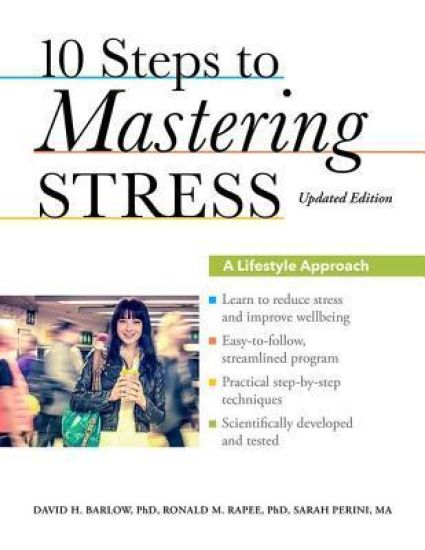
In recent years health professionals have come to realize just how important controlling stress is for our wellbeing. Stress can interfere with many parts of our lives--it increases work absenteeism, can lead to relationship difficulties and interpersonal strain, and can increase the risk of turning to artificial relaxation such as drugs and alcohol. Chronic stress also increases the risk of developing certain serious physical illnesses. This updated edition of 10 Steps to Mastering Stress: A Lifestyle Approach is a step-by-step program that will help you identify what is causing your stress, teach you proven calming techniques, and most importantly, show you how to think more realistically in ways that will reduce, rather than increase, your stressful reactions to daily events in your life. This program is based on nearly two decades of research, during which the authors have learned more about stress than was ever known before--and how to control it. While there are many stress books out there, this program differs from most for several reasons: *It has been scientifically developed and tested to ensure that it is the most effective way to master stress. Many other books are based simply on the authors' ideas and opinions. *Rather than simply listing random tips, this book describes a systematic program which lays out how to learn and integrate relevant techniques into your life in a step-by-step fashion. *Most importantly, the authors do not claim that the program will magically lift away your stress. Rather, the program reinforces the importance of making these techniques a part of daily life, making it a true lifestyle approach. Readers will learn valuable new skills--new ways of thinking, acting, and organizing their lives to reduce stress to a manageable level.
David H. Barlow; Todd J. Farchione; Shannon Sauer-Zavala; Heather Murray Latin; Kristen K. Ellard; Jacqueline R. Bullis; Clair Cassiello-Robbins; Hannah T. Boettcher; Kate H. Bentley
Unified Protocol for transdiagnostisk behandling av emosjonelle lidelser (UP) er et slikt program. Det er utviklet av professor David H. Barlow og kollegaer ved Center for Anxiety and Related Disorders ved Boston University. UP retter seg mot personer med tilstander som panikklidelse, sosial angst, generalisert angst, PTSD, tvangslidelse og depresjon. Programmet kan også være til hjelp ved andre emosjonelle utfordringer. UP hjelper deg å forstå følelser bedre, og å bli bevisst på hva du gjør i møte med følelser som kan forverre vanskene dine. Du lærer konkrete strategier for å observere tanker, følelser og atferd, å nærme deg det som er vanskelig, og å finne mer hensiktsmessige måter du kan håndtere følelsene dine på. Hvert kapittel inneholder øvelser og oppgaver som gir deg en bedre forståelse og mulighet for praktisk trening. Ved å øve aktivt bygger du gradvis ferdigheter som gjør deg bedre i stand til å håndtere vansker og leve et liv som er mer i tråd med det som er viktig for deg. Denne arbeidsboken passer for deg som ønsker å jobbe med følelsesmessige utfordringer – enten sammen med en behandler eller på egen hånd.
Hjärtklappning, tryck över bröstet, yrsel, en känsla av andnöd och av att tappa kontrollen är vanliga symtom vid paniksyndrom. Många börjar även undvika platser, situationer eller aktiviteter av rädsla för att få panikattacker. Forskning visar att behandlingsprogrammet i den här boken ger effektiv hjälp för att ta sig ur tillståndet.Steg för steg vägleds du i att hantera skrämmande kroppsliga symtom och att kunna göra det du vill utan att hindras av rädslor. Du får ökad förståelse för hur kroppsliga symtom, tankar och beteenden hänger ihop med ångest – och hur du bryter panikens onda cirkel. Exempel och övningar hjälper dig längs vägen.Upplägget är anpassat till en behandlingslängd på sex sessioner och boken ska användas i samarbete med en terapeut. Behandlingen är utvecklad av två världsledande ångestforskare och bygger på kbt.
Hjärtklappning, tryck över bröstet, yrsel, en känsla av andnöd och av att tappa kontrollen är vanliga symtom vid paniksyndrom. Många börjar även undvika platser, situationer eller aktiviteter av rädsla för att få panikattacker. Forskning visar att behandlingsprogrammet i den här boken ger effektiv hjälp för att ta sig ur tillståndet.Steg för steg vägleds du i att hantera skrämmande kroppsliga symtom och att kunna göra det du vill utan att hindras av rädslor. Du får ökad förståelse för hur kroppsliga symtom, tankar och beteenden hänger ihop med ångest – och hur du bryter panikens onda cirkel. Exempel och övningar hjälper dig längs vägen.Boken ska användas i samarbete med en terapeut. Behandlingen är utvecklad av två världsledande ångestforskare och bygger på kbt.
Denna manual presenterar en evidensbaserad behandling av paniksyndrom, med eller utan agorafobi. Behandlingen är även effektiv vid panikångest som inte riktigt uppnår kriterierna för paniksyndrom. Upplägget är baserat på kbt och utvecklat av de två världsledande ångestforskarna Michelle G. Craske och David H. Barlow.Boken innehåller alla verktyg du som terapeut behöver för att genomföra behandlingen. Här ingår särskilda tekniker vid ovanliga och försvårande reaktioner, fallexempel som ökar begripligheten och arbetsmaterial till klienterna. Ett särskilt kapitel visar hur behandlingen kan anpassas till sex sessioner vid lindrigare tillstånd. Manualen är därför användbar såväl inom primärvård och företagshälsovård som inom psykiatrisk vård.För klienter finns den tillhörande Hantera ångest och paniksyndrom – Arbetsbok som innehåller psykoedukation, övningar och hemuppgifter. För den kortare behandlingen med sex sessioner finns i stället arbetsboken Hantera ångest och paniksyndrom – En korttidsbehandling.Den svenska översättningen är fackgranskad av Kristoffer Pettersson, leg. psykolog och leg. psykoterapeut.
En enskild faktor ökar markant risken för att utveckla ångest, depression och andra emotionella problem. Denna sårbarhetsfaktor är neuroticism, det vill säga benägenheten att uppleva negativa känslor och att uppfatta tillvaron som fylld av osäkerhet, hot och svåra utmaningar.Författarna redogör grundligt för begreppets historiska rötter samt tar upp modern forskning om personlighet och temperament som förklarar hur neuroticism uppkommer och vidmakthålls. De visar även hur man genom att i psykoterapi fokusera på denna faktor kan ge effektiv hjälp för ett brett spektrum av emotionella problem, i stället för att åtgärda varje tillstånd för sig.Den svenska utgåvan är fackgranskad av Jonas Ramnerö, leg. psykolog, leg. psykoterapeut och enhetschef vid Kompetenscentrum för psykoterapi vid Karolinska institutet, som även har skrivit ett förord.Sagt om boken:”Denna banbrytande bok ger förståelse för psykopatologi utifrån temperament och personlighet – som får konsekvenser för utvecklingen av evidensbaserad behandling. Det är ett djärvt, nytt perspektiv, beskrivet på ett sätt som alla skolbildningar kan ta till sig. En mycket läsvärd bok.”Steven Hayes, professor i psykologi vid University of Nevada, Reno, medgrundare till Acceptance and Commitment Therapy”Med sin torra prosa, referenstäthet och ofta återkommande sammanfattningar och tillbakablickar är det inte boken man väljer till ett glas vin på fredagskvällen. Läs den i stället med ett alert sinne som en del av arbetsdagen. För läsa bör man – om man är det minsta intresserad av att hänga med i utvecklingen av, och debatten kring, psykologisk diagnostik och behandling. Det här är ett viktigt inlägg i den diskussionen.”Celia Svedhem, Psykologtidningen nr 8, 2022Avdelare med linjeShannon Sauer-Zavalaär forskare och lärare vid University of Kentucky samt grundare och verkställande direktör för University of Kentucky Clinic for Emotional Health. Hennes forskning fokuserar på emotionella mekanismer som vidmakthåller psykiska symtom och på att utveckla effektiva behandlingsmetoder. Hon är medskapare till Unified protocol.David H. Barlowär professor emeritus i psykologi och psykiatri, samt grundare och chef emeritus för Center for Anxiety and Related Disorders vid Boston University. Han har publicerat över 650 vetenskapliga artiklar, otaliga bokkapitel och uppskattade böcker inom psykologisk behandling och forskningsmetodologi samt har mottagit flertalet tunga utmärkelser för sitt värv och sina insatser.
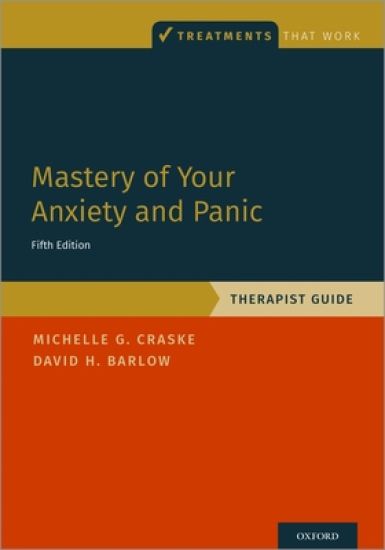
Now in its fifth edition, Mastery of Your Anxiety and Panic, Therapist Guide provides practitioners with the tools necessary to deliver effective treatment for panic disorder and agoraphobia. Reflecting the most up-to-date research on etiology and treatment, as well as cutting-edge scientific information on inhibitory learning, this guide provides step-by-step instructions for teaching clients the skills to overcome their fear of panic and panic attacks, as well as techniques for addressing atypical and problematic responses. The program is organized by skill, enabling therapists to tailor treatment to individual clients, and case vignettes illustrate how panic disorder presents differently in clients-and how therapists can respond accordingly. The book also includes a chapter on adapting the treatment for effective delivery in 6 sessions within primary care and related settings. Written in accessible language aimed at facilitating comprehension and easy implementation, and complete with worksheets and activities to support learning, this Therapist Guide is a gold-standard one-of-a-kind resource that has been recommended for use by public health services around the world.
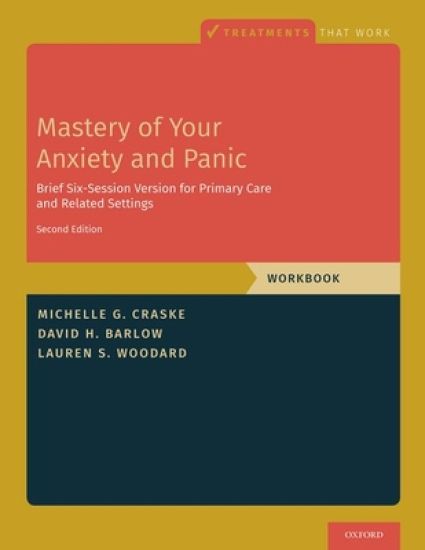
This edition of Mastery of Your Anxiety and Panic: Brief Six-Session Version for Primary Care and Related Settings, Workbook, outlines a time-limited treatment for those dealing with panic disorder and agoraphobia. Developed for use with patients who seek treatment from a primary care provider, this guide is based on the principles of cognitive-behavioral therapy (CBT). The program described can be delivered by a general practitioner or other health or mental health care provider in primary care or related settings in up to six sessions. A modified version of the more intensive 12-session version of the program, this treatment represents an introduction to the skills and techniques that have been proven effective for overcoming panic disorder, and that patients can easily learn and continue on their own.
The fifth edition of Mastery of Your Anxiety and Panic, Workbook, has been fully revised and updated to offer helpful, scientifically proven strategies and techniques for dealing with both panic disorder and agoraphobia. The program outlined is based on the principles of cognitive-behavioral therapy (CBT) and is organized by skill, with each chapter building on the one before it. The Workbook covers the importance of record-keeping and monitoring progress, as well as breathing techniques and thinking skills, with the main focus of the treatment involving the importance of learning how to face agoraphobic situations, and the often-frightening physical symptoms of panic, from an entirely new perspective. Self-assessment quizzes, homework exercises, and interactive forms allow clients to become active participants in their own treatment, and to learn to manage panic attacks, anxiety about panic, and avoidance of panic and agoraphobic situations.
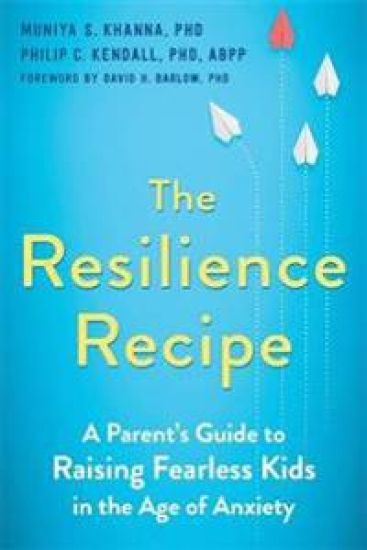
What can parents do to help their kids feel less anxious? In our increasingly uncertain world, helping children cultivate resilience is key. Written by pioneering experts in child psychology and anxiety, The Resilience Recipe offers parents of children ages 5 to 12 struggling with anxiety a proven-effective, evidence-based plan grounded in cognitive behavioral therapy (CBT) to help kids build emotional resilience, manage the ups and downs of anxiety, worry less, approach life's challenges with confidence, and thrive in the face of modern stressors.Help your child face all of life's challenges with confidence. Based on the innovative Coping Cat program, this book offers a proven-effective "recipe" for raising resilient kids!We live in an age of anxiety. Amidst climate change and natural disasters, a troubled economy, and one of the largest global pandemics in modern history-is it any wonder our kids are anxious and stressed out? Add in the pressures inherent in social media and consumerist culture, as well as the pressure of academic success, and you've got a recipe for disaster. The good news is that you can help your child manage anxiety and stress-no matter what life throws their way. This book will show you how.Written by two pioneering experts in child psychology and anxiety, The Resilience Recipe offers an evidence-based plan grounded in cognitive behavioral therapy (CBT) to help kids build emotional resilience and adaptability, worry less, and thrive-despite the stressors of modern life. With this guide, you'll learn to help kids feel more in control of their moods and emotions; cope with difficult experiences; and recognize the first signs of stress and anxiety in both their mind and body, so they can find quick relief. You'll also discover a wealth of tips and strategies to help you manage your own anxiety.Most importantly, you'll find a solid action plan to help your child feel strong and capable in the face of unprecedented challenges.
Neuroticism--the tendency to experience negative emotions, along with the perception that the world is filled with stressful, unmanageable challenges--is strongly associated with anxiety, depression, and other common mental health conditions. This state-of-the-art work shows how targeting this trait in psychotherapy can benefit a broad range of clients and reduce the need for disorder-specific interventions. The authors describe and illustrate evidence-based therapies that address neuroticism directly, including their own Unified Protocol for transdiagnostic treatment. They examine how neuroticism develops and is maintained, its relation to psychopathology, and implications for how psychological disorders are classified and diagnosed.
OBS: Tyvärr är undertiteln fel på den tryckta bokens omslag. Den rätta är ”Diagnosöverskridande psykologisk behandling”, såsom står på bokens titelsida.Unified protocol för barnär skriven för åldrarna 7–13 år och hjälper barn att hantera starka känslor. Barnet får vara en känslodetektiv som genom lekar, aktiviteter och experiment lär sig olika knep som gör det lättare att delta i och uppskatta vardagsaktiviteter. Dessa knep kan användas oavsett om det är rädsla, ångest, nedstämdhet, ledsenhet, ilska, skam eller någon annan känsla som ställer till med problem. Den här arbetsboken ska användas i samarbete med en terapeut som vägleder barn och föräldrar genom behandlingsprogrammet. Som barnets förälder har du en nyckelroll i behandlingen och får lära dig samma färdigheter som ditt barn. På bokens webbplats finns allt arbetsmaterial samlat.Unified protocol för barnär framtaget av några av de främsta experterna på känslomässiga svårigheter hos barn och har vetenskapligt stöd. Teknikerna bygger på kognitiv beteendeterapi. Denna svenska utgåva är fackgranskad av leg. psykolog Cecilia Arlinger Karlsson, som även har skrivit ett svenskt förord.Huvudförfattaren Jill Ehrenreich-Mayär docent vid Child division of the department of psychology, University of Miami. Övriga medförfattare är David H. Barlow, professor emeritus i psykatri och psykologi vid Boston University samt Sarah M. Kennedy, Jamie A. Sherman och Emily L. Bilek.