Kirjojen hintavertailu. Mukana 12 390 323 kirjaa ja 12 kauppaa.

Kirjailija

David Herbert Lawrence

Kirjat ja teokset yhdessä paikassa: 176 kirjaa, julkaisuja vuosilta 2008-2025, suosituimpien joukossa El Amante de Lady Chatterley. Vertaile teosten hintoja ja tarkista saatavuus suomalaisista kirjakaupoista.

176 kirjaa

Kirjojen julkaisuhaarukka 2008-2025.

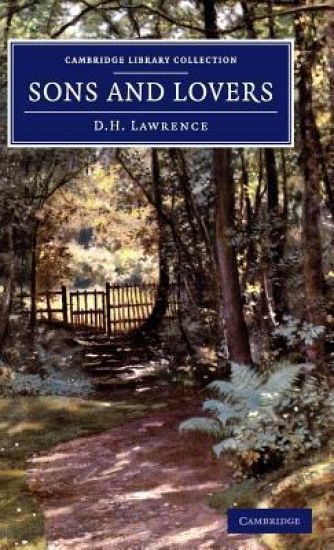
Sons and Lovers

Sons and Lovers

David Herbert Lawrence

Cambridge University Press
2013
sidottu
Born within walking distance of ten Nottinghamshire pits, David Herbert Lawrence (1885–1930) was painfully aware that his frail physique and quiet character were ill suited to the mining industry upon which his community depended. The difficulties of his youth are manifest in Sons and Lovers, his first major novel and an insider's portrayal of the culture of the collieries. Writing to a friend, Lawrence explained the seed of his plot: 'a woman of character and refinement goes into the lower class, and has no satisfaction in her own life'. Stemming from this are the intricate difficulties in the relationships of Paul Morel, the second son of this unhappy mother, torn between her overpowering influence and two vastly different women - the quiet, old-fashioned Miriam and the modern divorcee Clara. Although initially deemed indecent and rejected for publication, Sons and Lovers appeared for the first time in 1913.
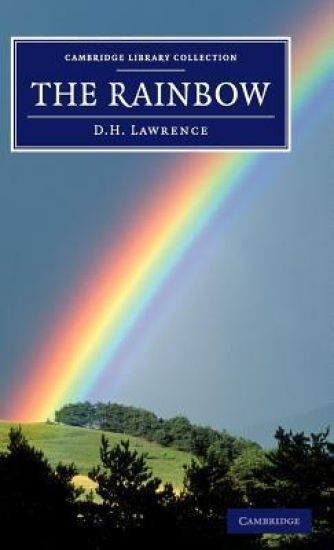
The Rainbow

The Rainbow

David Herbert Lawrence

Cambridge University Press
2013
sidottu
David Herbert Lawrence (1885–1930) expected The Rainbow to cause a stir. In a characteristically open exploration of sensual and explicit themes, the novel traces more than sixty years of pre-war life and three generations of the Brangwen family. Employing language infused with the rich imagery and repetition of biblical texts to treat all subjects - from the green fields and empty skies of the Brangwen farm through to Ursula's encounter with a female schoolteacher - Lawrence took an assuredly striking approach. However, he was unprepared for the vitriolic attacks of his reviewers. The novel was branded 'utter filth' and 'a mass of obscenity'; it was banned only a month after its publication in 1915, unsold copies being confiscated and destroyed. A second, abridged edition would not appear for another eleven years. Now a landmark in the early modernist canon, the original and unabridged text of 1915 is reissued here.
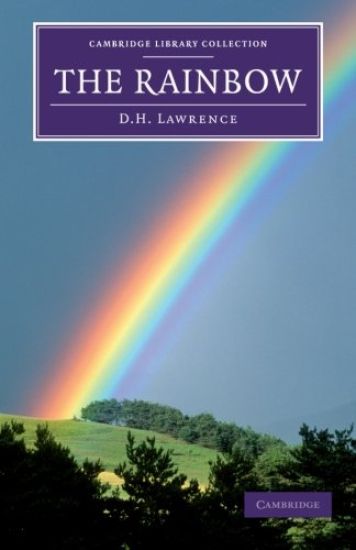
The Rainbow

The Rainbow

David Herbert Lawrence

Cambridge University Press
2013
pokkari
David Herbert Lawrence (1885–1930) expected The Rainbow to cause a stir. In a characteristically open exploration of sensual and explicit themes, the novel traces more than sixty years of pre-war life and three generations of the Brangwen family. Employing language infused with the rich imagery and repetition of biblical texts to treat all subjects - from the green fields and empty skies of the Brangwen farm through to Ursula's encounter with a female schoolteacher - Lawrence took an assuredly striking approach. However, he was unprepared for the vitriolic attacks of his reviewers. The novel was branded 'utter filth' and 'a mass of obscenity'; it was banned only a month after its publication in 1915, unsold copies being confiscated and destroyed. A second, abridged edition would not appear for another eleven years. Now a landmark in the early modernist canon, the original and unabridged text of 1915 is reissued here.
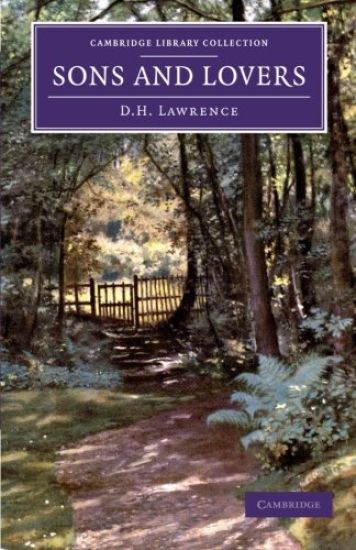
Sons and Lovers

Sons and Lovers

David Herbert Lawrence

Cambridge University Press
2013
pokkari
Born within walking distance of ten Nottinghamshire pits, David Herbert Lawrence (1885–1930) was painfully aware that his frail physique and quiet character were ill suited to the mining industry upon which his community depended. The difficulties of his youth are manifest in Sons and Lovers, his first major novel and an insider's portrayal of the culture of the collieries. Writing to a friend, Lawrence explained the seed of his plot: 'a woman of character and refinement goes into the lower class, and has no satisfaction in her own life'. Stemming from this are the intricate difficulties in the relationships of Paul Morel, the second son of this unhappy mother, torn between her overpowering influence and two vastly different women - the quiet, old-fashioned Miriam and the modern divorcee Clara. Although initially deemed indecent and rejected for publication, Sons and Lovers appeared for the first time in 1913.
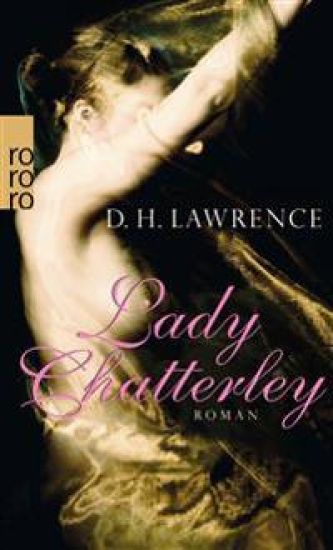
Lady Chatterley

Lady Chatterley

David Herbert Lawrence

Rowohlt Taschenbuch
2008
pokkari
Schauplatz des Romans ist zunächst Wragby Hall, das Herrenhaus der Chatterleys, in dem die attraktive und vitale Constance (Conny) mit ihrem Mann Clifford Chatterley lebt. Im Ersten Weltkrieg schwer verwundet, flüchtet sich der an den Rollstuhl gefesselte Clifford in eine ans Manische grenzende, literarische Produktivität. Wie Connie jedoch bald erkennt, verbirgt sich hinter dem stilistischen Blendwerk seiner Erzählungen nichts als eine erschreckende, gefühllose Leere. Während Clifford sich weiterhin blind um Anerkennung als Schriftsteller müht, leidet Connie zunehmend unter ihrer Beziehungslosigkeit. Während eines Spaziergangs erfährt Connie von Clifford, dass er bereit sei, ihr gelegentliche sexuelle Abenteuer zu gewähren und auch ein uneheliches Kind als sein eigenes zu akzeptieren, vorausgesetzt, der Vater sei ihrer würdig. Connie lernt den zehn Jahre älteren Waldhüter Oliver Mellors kennen und zwischen ihr und dem wortkargen, in einer einsamen Waldhütte lebenden Mann entwickelt sich eine sexuell und emotional innige Liebesbeziehung. In der leidenschaftlichen Körperlichkeit, die sie mit ihm teilt, findet Connie allmählich zu ihrer verloren geglaubten Lebenskraft zurück. Auch Mellors erfährt durch sie eine Wandlung. Als Sohn eines Bergarbeiters aufgewachsen, hatte er nach einer enttäuschenden Ehe eine militärische Karriere in Indien begonnen und den Offiziersrang erworben. Nach dem Tod eines ihm nahe stehenden Vorgesetzten und durch ein Lungenleiden geschwächt, war er in seine Heimat zurückgekehrt, um dort ein Leben in völliger Abgeschiedenheit zu führen. Erst durch Connies unbedingte Liebe zu ihm gelingt es Mellors, sich aus seiner Bitterkeit und selbst gewählten Isolation zu befreien. Als sie ein Kind von ihm erwartet, zeigt sie sich fest entschlossen, Clifford für ihn zu verlassen. Mutig stellt sie sich den gesellschaftlichen Anfeindungen und der verletzten Eitelkeit ihres Mannes. Connie begibt sich nach Schottland, um bis zu ihrer Scheidung von Clifford bei ihrer Schwester Hilda zu bleiben. Mellors schreibt ihr am Ende des Romans einen Brief, der seine tiefe Zuneigung zu ihr und seine Hoffnung auf eine gemeinsame Zukunft zum Ausdruck bringt.