Kirjojen hintavertailu. Mukana 12 390 323 kirjaa ja 12 kauppaa.
Kirjailija
David J. Hess
Kirjat ja teokset yhdessä paikassa: 14 kirjaa, julkaisuja vuosilta 1991-2022, suosituimpien joukossa Science in the New Age. Vertaile teosten hintoja ja tarkista saatavuus suomalaisista kirjakaupoista.
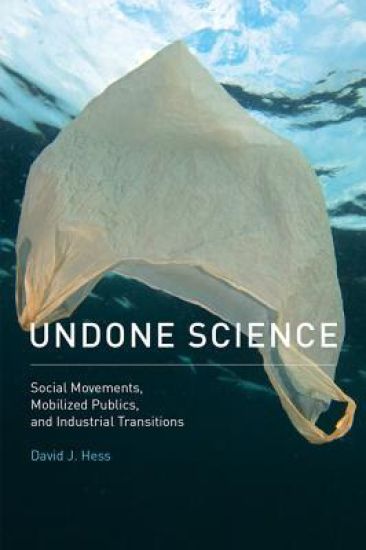
A theoretical integration of science and technology studies and social movement studies that finds both common ground and "undone" research.As the fields of social movement studies (SMS) and science and technology studies (STS) have diversified in topical focus, they have moved closer to each other. SMS has turned toward the study of nonstate targets and institutionalized repertoires of action, just as STS has turned to expertise and publics. In Undone Science, David Hess argues that a theoretical integration of core concepts in the two fields is now possible, and he presents just such a synthesis. Hess focuses on industrial transition movements-mobilized counterpublics of activists, advocates, entrepreneurs, and other agents of change-and examines several areas of common ground between the two fields relevant to these movements. His account reveals the problem of "undone science"-areas of research potentially valuable to the goals of industrial transition movements that have been systematically ignored. Each chapter begins with a problem in SMS, discusses the relevant STS literature, describes new concepts and findings that have emerged, and offers applications to examples that range from nanotechnology and climate science denialism to conflicts based on race, class, and gender. Topics include the epistemic dimension of the political opportunity structure, networks of counterpublic knowledge, and regime resistance in industrial transition.
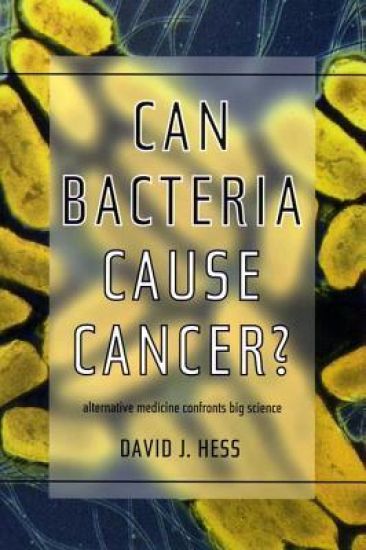
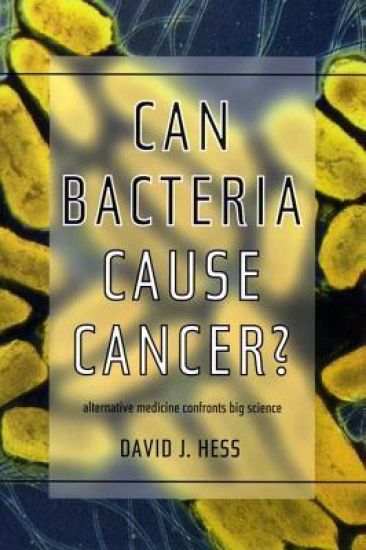
Growing numbers of cancer patients are exploring diet, food supplements, herbs, and nontoxic immunotherapies like bacterial vaccines as a means of therapy. Yet most cancer research organizations refuse to even evaluate these alternatives. Can Bacteria Cause Cancer? argues convincingly that unless this neglected world of alternative therapies is properly scrutinized, the medical Vietnam of the twentieth century may well affect one in two people by the twenty-first century. David J. Hess investigates one of the great medical mysteries of the twentieth century?the relationship between bacteria and chronic disease. Recently scientists have overturned long-held beliefs by demonstrating that bacterial infections cause many ulcers; they are now reconsidering the role of bacterial infections in other chronic diseases, such as arthritis. Is it possible, Hess asks, that bacteria can contribute to the many other known causes of cancer? To answer this intriguing question, Hess takes us into the world of alternative cancer researchers. Maintaining that their work has been actively suppressed rather than simply dismissed, he examines their claims-?that bacterial vaccines have led to some dramatic cases of long-term cancer remission?and the scientific potential of their theories. Economic interests and cultural values, he demonstrates, have influenced the rush toward radiation and chemotherapy and the current cul-de-sac of toxic treatments. More than a medical mystery story, Can Bacteria Cause Cancer? is a dramatic case study of the failure of the war on cancer.
Each year hundreds of thousands of women are diagnosed with cancer, and more and more frequently, women are turning to alternative treatments to take control of their illnesses and their lives. Information, however, has been scarce for women navigating through conventional and unconventional medicine. Research funding continues to support traditional cancer therapies. Women Confront Cancer declares the need for new, less toxic therapies and diagnostic procedures. For the first time, Women Confront Cancer unites the voices of women leaders who have breast, cervical, ovarian, and other cancers. Documenting the decision process, the choices, and the dilemmas these women faced as they chose alternative and complementary cancer treatments, a powerful unity emerges, pointing the way to the future of the diagnosis and treatment of cancer by less toxic methods. Ann Frahm, the author of A Cancer Battle Plan, Susan Moss, the author of Keep Your Breasts, and Cathy Hitchcock, coauthor of Breast Cancer, are only three of the leaders who relate their personal experiences with cancer. All of the women featured in Women Confront Cancer share how and why they created treatment programs that combine the best of conventional and unconventional approaches, and how it has improved their health and their lives. A call for patients' rights, for policy reform in cancer research, for better information about both conventional and alternative medicine, Women Confront Cancer will be both a source of inspiration for women who have cancer and an aid for them in creating their own approach to healing. * Did you know that October is [ NATIONAL BREAST CANCER AWARENESS MONTH ] and pink is the color that symbolizes breast cancer awareness?
Each year hundreds of thousands of women are diagnosed with cancer, and more and more frequently, women are turning to alternative treatments to take control of their illnesses and their lives. Information, however, has been scarce for women navigating through conventional and unconventional medicine. Research funding continues to support traditional cancer therapies. Women Confront Cancer declares the need for new, less toxic therapies and diagnostic procedures. For the first time, Women Confront Cancer unites the voices of women leaders who have breast, cervical, ovarian, and other cancers. Documenting the decision process, the choices, and the dilemmas these women faced as they chose alternative and complementary cancer treatments, a powerful unity emerges, pointing the way to the future of the diagnosis and treatment of cancer by less toxic methods. Ann Frahm, the author of A Cancer Battle Plan, Susan Moss, the author of Keep Your Breasts, and Cathy Hitchcock, coauthor of Breast Cancer, are only three of the leaders who relate their personal experiences with cancer. All of the women featured in Women Confront Cancer share how and why they created treatment programs that combine the best of conventional and unconventional approaches, and how it has improved their health and their lives. A call for patients' rights, for policy reform in cancer research, for better information about both conventional and alternative medicine, Women Confront Cancer will be both a source of inspiration for women who have cancer and an aid for them in creating their own approach to healing. * Did you know that October is [ NATIONAL BREAST CANCER AWARENESS MONTH ] and pink is the color that symbolizes breast cancer awareness?
The first comprehensive survey of the nascent field of "science studies" Thrust into the public eye by the contentious "Science Wars"—played out most recently by physicist Alan Sokal's hoax—the nascent field of science studies takes on the political, historical, and cultural dimensions of technology and the sciences. Science Studies is the first comprehensive survey of the field, combining a concise overview of key concepts with an original and integrated framework. In the process of bringing disparate fields together under one tent, David J. Hess realizes the full promise of science studies, long uncomfortably squeezed into traditional disciplines. He provides a clear discussion of the issues and misunderstandings that have arisen in these interdisciplinary conversations. His survey is up-to-date and includes recent developments in philosophy, sociology, anthropology, history, cultural studies, and feminist studies. By moving from the discipline-bound blinders of a sociology, history, philosophy, or anthropology of science to a transdisciplinary field, science studies, Hess argues, will be able to provide crucial conceptual tools for public discussions about the role of science and technology in a democratic society.
The first comprehensive survey of the nascent field of "science studies" Thrust into the public eye by the contentious "Science Wars"—played out most recently by physicist Alan Sokal's hoax—the nascent field of science studies takes on the political, historical, and cultural dimensions of technology and the sciences. Science Studies is the first comprehensive survey of the field, combining a concise overview of key concepts with an original and integrated framework. In the process of bringing disparate fields together under one tent, David J. Hess realizes the full promise of science studies, long uncomfortably squeezed into traditional disciplines. He provides a clear discussion of the issues and misunderstandings that have arisen in these interdisciplinary conversations. His survey is up-to-date and includes recent developments in philosophy, sociology, anthropology, history, cultural studies, and feminist studies. By moving from the discipline-bound blinders of a sociology, history, philosophy, or anthropology of science to a transdisciplinary field, science studies, Hess argues, will be able to provide crucial conceptual tools for public discussions about the role of science and technology in a democratic society.
Growing numbers of cancer patients are exploring diet, food supplements, herbs, and nontoxic immunotherapies like bacterial vaccines as a means of therapy. Yet most cancer research organizations refuse to even evaluate these alternatives. Can Bacteria Cause Cancer? argues convincingly that unless this neglected world of alternative therapies is properly scrutinized, the medical Vietnam of the twentieth century may well affect one in two people by the twenty-first century. David J. Hess investigates one of the great medical mysteries of the twentieth century?the relationship between bacteria and chronic disease. Recently scientists have overturned long-held beliefs by demonstrating that bacterial infections cause many ulcers; they are now reconsidering the role of bacterial infections in other chronic diseases, such as arthritis. Is it possible, Hess asks, that bacteria can contribute to the many other known causes of cancer? To answer this intriguing question, Hess takes us into the world of alternative cancer researchers. Maintaining that their work has been actively suppressed rather than simply dismissed, he examines their claims-?that bacterial vaccines have led to some dramatic cases of long-term cancer remission?and the scientific potential of their theories. Economic interests and cultural values, he demonstrates, have influenced the rush toward radiation and chemotherapy and the current cul-de-sac of toxic treatments. More than a medical mystery story, Can Bacteria Cause Cancer? is a dramatic case study of the failure of the war on cancer.
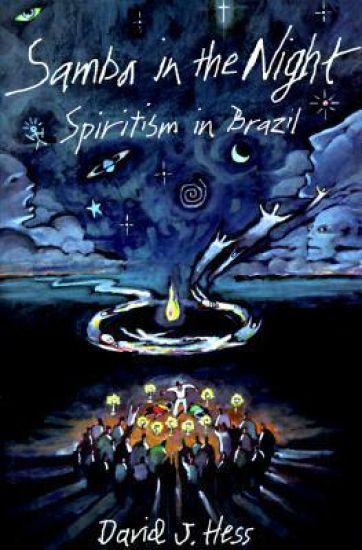
An absorbing account of an anthropologist's fieldwork and explorations into alternative religions in Brazil, "Samba in the Night" invites the reader into the mysterious world of spirit mediums, poltergeists, psychic surgery, exorcism and spiritual healing. The author focuses on spiritism, a vital religious movement with millions of followers. He provides descriptions of rituals and at the same time weaves in a detective story about the complex relations between Spiritist rituals and the rest of their world. Through a patchwork of anecdotes about spirit mediums, doctors, engineers, lawmakers, Jesuits, and past-life therapists, the book offers an introduction to Brazilian religion and society as well as to the art of anthropological fieldwork.
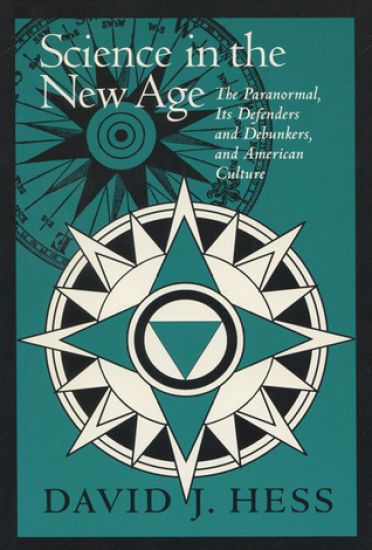
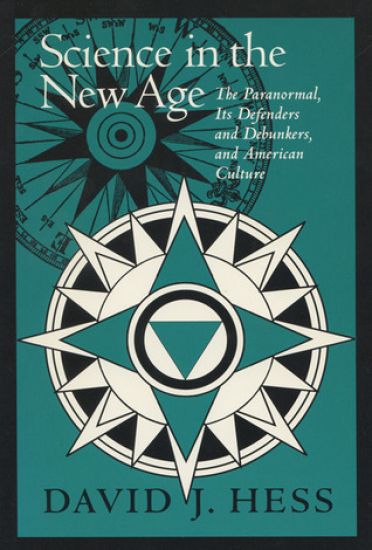
Explores ideologies of the paranormal in the USA, from views put forward by parapsychologists and crystal healers, to skeptical debunkers. Adopting a cultural perspective, Hess studies how each group constructs its own boundaries of true and false knowledge.
Brazilian Spiritism (espiritismo, kardecismo) is an important middle-class religious movement whose followers believe in communication with the dead via spirit mediums and in healing illnesses by means of spiritual therapies. Unlike Anglo-Saxon Spiritualists, Brazilian Spiritists count among their number a well-developed and institutionalized intellectual elite that has reinterpreted northern hemisphere parapsychology and developed its own alternative medicine and sociology of religion. As a result, the mediation between popular religion (especially Afro-Brazilian religious practices) and the orthodoxies of the universities, the state, and the medical profession.Situating Spiritist intellectual thought in what he calls a broader ideological arena, Hess examines Spiritism in the context of religion, science, political ideology, medicine, and even the social sciences. Hess challenges the legacy of French sociologist Roger Bastide, who saw in Spiritism an elitist, middle-class ideology. In the process, Spirits and Scientists provides a new approach to middle-class religious movements in Latin America.
Brazilian Spiritism (espiritismo, kardecismo) is an important middle-class religious movement whose followers believe in communication with the dead via spirit mediums and in healing illnesses by means of spiritual therapies. Unlike Anglo-Saxon Spiritualists, Brazilian Spiritists count among their number a well-developed and institutionalized intellectual elite that has reinterpreted northern hemisphere parapsychology and developed its own alternative medicine and sociology of religion. As a result, the mediation between popular religion (especially Afro-Brazilian religious practices) and the orthodoxies of the universities, the state, and the medical profession.Situating Spiritist intellectual thought in what he calls a broader ideological arena, Hess examines Spiritism in the context of religion, science, political ideology, medicine, and even the social sciences. Hess challenges the legacy of French sociologist Roger Bastide, who saw in Spiritism an elitist, middle-class ideology. In the process, Spirits and Scientists provides a new approach to middle-class religious movements in Latin America.