

Kirjailija
David J. Leonard
Kirjat ja teokset yhdessä paikassa: 13 kirjaa, julkaisuja vuosilta 2006-2026, suosituimpien joukossa The Neural Atlas. Vertaile teosten hintoja ja tarkista saatavuus suomalaisista kirjakaupoista.
Mukana myös kirjoitusasut: David J Leonard
13 kirjaa
Kirjojen julkaisuhaarukka 2006-2026.





Playing While White argues that whiteness matters in sports culture, both on and off the field. Offering critical analysis of athletic stars such as Johnny Manziel, Marshall Henderson, Jordan Spieth, Lance Armstrong, Josh Hamilton, as well as the predominantly white cultures of NASCAR and extreme sports, David Leonard identifies how whiteness is central to the commodification of athletes and the sports they play.Leonard demonstrates that sporting cultures are a key site in the trafficking of racial ideas, narratives, and ideologies. He identifies how white athletes are frequently characterized as intelligent leaders who are presumed innocent of the kinds of transgressions black athletes are often pathologized for. With an analysis of the racial dynamics of sports traditions as varied as football, cycling, hockey, baseball, tennis, snowboarding, and soccer, as well as the reception and media portrayals of specific white athletes, Leonard examines how and why whiteness matters within sports and what that tells us about race in the twenty-first century United States.
Playing While White argues that whiteness matters in sports culture, both on and off the field. Offering critical analysis of athletic stars such as Johnny Manziel, Marshall Henderson, Jordan Spieth, Lance Armstrong, Josh Hamilton, as well as the predominantly white cultures of NASCAR and extreme sports, David Leonard identifies how whiteness is central to the commodification of athletes and the sports they play.Leonard demonstrates that sporting cultures are a key site in the trafficking of racial ideas, narratives, and ideologies. He identifies how white athletes are frequently characterized as intelligent leaders who are presumed innocent of the kinds of transgressions black athletes are often pathologized for. With an analysis of the racial dynamics of sports traditions as varied as football, cycling, hockey, baseball, tennis, snowboarding, and soccer, as well as the reception and media portrayals of specific white athletes, Leonard examines how and why whiteness matters within sports and what that tells us about race in the twenty-first century United States.

Beyond Hate offers a critical ethnography of the virtual communities established and discursive networks activated through the online engagements of white separatists, white nationalists, and white supremacists with various popular cultural texts, including movies, music, television, sport, video games, and kitsch. Outlining the ways in which advocates of white power interpret popular cultural forms, and probing the emergent spaces of white power popular culture, it examines the paradoxical relationship that advocates of white supremacy have with popular culture, as they finding it to be an irresistible and repugnant reflection of social decay rooted in multiculturalism. Drawing on a range of new media sources, including websites, chat rooms, blogs and forums, this book explores the concerns expressed by advocates of white power, with regard to racial hierarchy and social order, the crisis of traditional American values, the perpetuation of liberal, feminist, elitist ideas, the degradation of the family and the fetishization of black men. What emerges is an understanding of the instruments of power in white supremacist discourses, in which a series of connections are drawn between popular culture, multiculturalism, sexual politics and state functions, all of which are seen to be working against white men. A richly illustrated study of the intersections of white power and popular culture in the contemporary U.S., and the use of use cyberspace by white supremacists as an imagined site of resistance, Beyond Hate will appeal to scholars of sociology and cultural studies with interests in race and ethnicity, popular culture and the discourses of the extreme right.

Beyond Hate offers a critical ethnography of the virtual communities established and discursive networks activated through the online engagements of white separatists, white nationalists, and white supremacists with various popular cultural texts, including movies, music, television, sport, video games, and kitsch. Outlining the ways in which advocates of white power interpret popular cultural forms, and probing the emergent spaces of white power popular culture, it examines the paradoxical relationship that advocates of white supremacy have with popular culture, as they finding it to be an irresistible and repugnant reflection of social decay rooted in multiculturalism. Drawing on a range of new media sources, including websites, chat rooms, blogs and forums, this book explores the concerns expressed by advocates of white power, with regard to racial hierarchy and social order, the crisis of traditional American values, the perpetuation of liberal, feminist, elitist ideas, the degradation of the family and the fetishization of black men. What emerges is an understanding of the instruments of power in white supremacist discourses, in which a series of connections are drawn between popular culture, multiculturalism, sexual politics and state functions, all of which are seen to be working against white men. A richly illustrated study of the intersections of white power and popular culture in the contemporary U.S., and the use of use cyberspace by white supremacists as an imagined site of resistance, Beyond Hate will appeal to scholars of sociology and cultural studies with interests in race and ethnicity, popular culture and the discourses of the extreme right.
Explores how the NBA moved to govern black players and the expression of blackness after the "Palace Brawl" of 2004. On November 19, 2004, a fight between NBA players Ron Artest and Ben Wallace escalated into a melee involving several other players and many fans. The "Palace Brawl," writes David J. Leonard, was a seminal event, one that dramatically altered outside perceptions of the sport. With commentators decrying the hip hop or gangsta culture of players, the blackness of the NBA was both highlighted and disdained. This was a harsh blow to the league's narrative of colorblindness long cultivated by Commissioner David Stern and powerfully embodied in the beloved figure of Michael Jordan. As Leonard demonstrates, the league viewed this moment as a threat needing intervention, quickly adopting policies to govern black players and prevent them from embracing styles and personas associated with blackness. This fascinating book discloses connections between the NBA's discourse and the broader discourse of antiblack racism. Particular policy changes that seemed aimed at black players, such as the NBA dress code and the debate over a minimum age requirement, are explored.
Latinos are the fastest growing population in America today. This two-volume encyclopedia traces the history of Latinos in the United States from colonial times to the present, focusing on their impact on the nation in its historical development and current culture. "Latino History and Culture" covers the myriad ethnic groups that make up the Latino population. It explores issues such as labor, legal and illegal immigration, traditional and immigrant culture, health, education, political activism, art, literature, and family, as well as historical events and developments. A-Z entries cover eras, individuals, organizations and institutions, critical events in U.S. history and the impact of the Latino population, communities and ethnic groups, and key cities and regions. Each entry includes cross references and bibliographic citations, and a comprehensive index and illustrations augment the text.
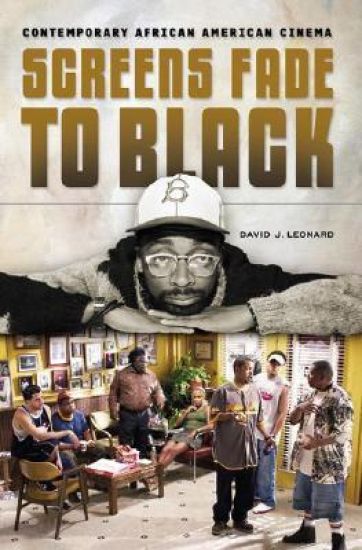
The triple crown of Oscars awarded to Denzel Washington, Halle Berry, and Sidney Poitier on a single evening in 2002 seemed to mark a turning point for African Americans in cinema. Certainly it was hyped as such by the media, eager to overlook the nuances of this sudden embrace. In this new study, author David Leonard uses this event as a jumping-off point from which to discuss the current state of African-American cinema and the various genres that currently compose it. Looking at such recent films as Love and Basketball, Antwone Fisher, Training Day, and the two Barbershop films—all of which were directed by black artists, and most of which starred and were written by blacks as well—Leonard examines the issues of representation and opportunity in contemporary cinema.In many cases, these films-which walk a line between confronting racial stereotypes and trafficking in them-made a great deal of money while hardly playing to white audiences at all. By examining the ways in which they address the American Dream, racial progress, racial difference, blackness, whiteness, class, capitalism and a host of other issues, Leonard shows that while certainly there are differences between the grotesque images of years past and those that define today's era, the consistency of images across genre and time reflects the lasting power of racism, as well as the black community's response to it.