Kirjojen hintavertailu. Mukana 12 246 676 kirjaa ja 12 kauppaa.

Kirjailija

David K. Leff

Kirjat ja teokset yhdessä paikassa: 9 kirjaa, julkaisuja vuosilta 2004-2024, suosituimpien joukossa New England Nature. Vertaile teosten hintoja ja tarkista saatavuus suomalaisista kirjakaupoista.

Mukana myös kirjoitusasut: David K Leff

9 kirjaa

Kirjojen julkaisuhaarukka 2004-2024.

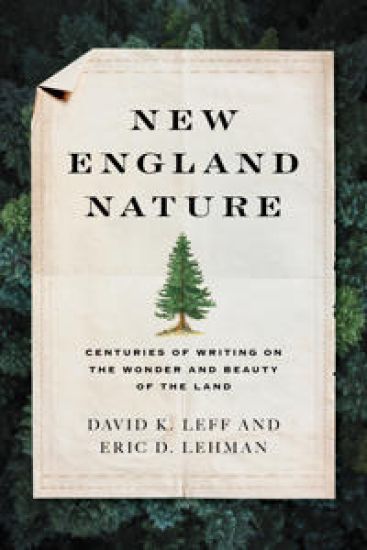
New England Nature

New England Nature

David K. Leff; Eric D. Lehman

ROWMAN LITTLEFIELD
2024
pokkari
Since its founding four hundred years ago, New England has been a vital source of nature writing. Maybe it’s the diversity of landscapes huddled so close together or the marriage of nature and culture in a relatively small, six-state region. Maybe it’s the regenerative powers of the ecosystem in a place of repeated exploitations. Or maybe we have simply been thinking about our relationship with the natural world longer than everyone.If all successive nature writing is a footnote to Henry David Thoreau, then New England has a strong claim to being the birthplace of the genre. But there are, as the sixty entries in this anthology demonstrate, many other regional voices that extol the wonders and beauty of the outdoors, explore local ecology, and call for environmental sustainability. Between these covers, Noah Webster calls for our stewardship of nature and Lydia Sigourney finds sublime pleasure in it. Jonathan Edwards and Helen Keller both find miracles, while Samuel Peters and Mark Twain find humor. Author Nathaniel Hawthorne discovers a place to hide his metaphors, while the enslaved James Mars discovers an actual hiding place.Through it all is the apprehension of a profound and lasting splendor, “the glory of physical nature,” as W.E.B. Dubois calls it, something beyond our everyday concerns and yet tied so closely to our daily lives that we cannot escape it. Nature writing cultivates our sense of beauty, inflaming curiosity and the passion to explore. It opens us to deep, primal experiences that enrich life. Anyone wanting to understand our relationship with the world must start here.

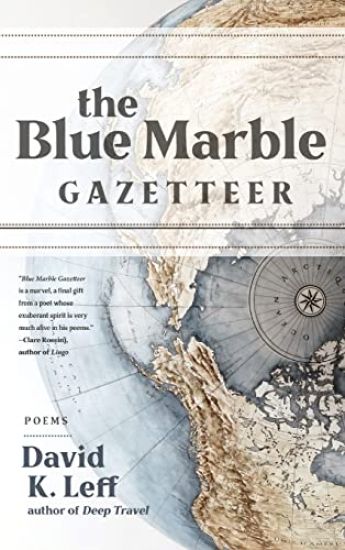
The Blue Marble Gazetteer

The Blue Marble Gazetteer

David K Leff

Wayfarer Books
2022
sidottu
It's hard to imagine a poet who could take more joy in nature, both earthly and human. In Blue Marble Gazetteer, David Leff looks closely, always, and revels in the names of things; the catalogs of species that recur throughout are delicious to mind and ear. Still, an elegiac tone haunts the book; David loves the planet as much as he fears for its demise. But this "world of open wounds" is blessed with fellow sojourners: the poet's wife and children, his neighbors, and all the beings of the natural world who--like the hermit thrush whose whistles "penetrate...the heart's own thickets"-provide ongoing comfort. Blue Marble Gazetteer is a marvel, a final gift from a poet whose exuberant spirit is very much alive in his poems.--Clare Rossini, author of Lingo
The Blue Marble Gazetteer

The Blue Marble Gazetteer

David K Leff

Wayfarer Books
2022
pokkari
It's hard to imagine a poet who could take more joy in nature, both earthly and human. In Blue Marble Gazetteer, David Leff looks closely, always, and revels in the names of things; the catalogs of species that recur throughout are delicious to mind and ear. Still, an elegiac tone haunts the book; David loves the planet as much as he fears for its demise. But this "world of open wounds" is blessed with fellow sojourners: the poet's wife and children, his neighbors, and all the beings of the natural world who--like the hermit thrush whose whistles "penetrate...the heart's own thickets"-provide ongoing comfort. Blue Marble Gazetteer is a marvel, a final gift from a poet whose exuberant spirit is very much alive in his poems. --Clare Rossini, author of Lingo
New England Nature

New England Nature

David K. Leff; Eric D. Lehman

Globe Pequot Press
2020
sidottu
Since its founding four hundred years ago, New England has been a vital source of nature writing. Maybe it's the diversity of landscapes huddled so close together or the marriage of nature and culture in a relatively small, six-state region. Maybe it's the regenerative powers of the ecosystem in a place of repeated exploitations. Or maybe we have simply been thinking about our relationship with the natural world longer than everyone. If all successive nature writing is a footnote to Henry David Thoreau, then New England has a strong claim to being the birthplace of the genre. But there are, as the sixty entries in this anthology demonstrate, many other regional voices that extol the wonders and beauty of the outdoors, explore local ecology, and call for environmental sustainability. Between these covers, Noah Webster calls for our stewardship of nature and Lydia Sigourney finds sublime pleasure in it. Jonathan Edwards and Helen Keller both find miracles, while Samuel Peters and Mark Twain find humor. Author Nathaniel Hawthorne discovers a place to hide his metaphors, while the enslaved James Mars discovers an actual hiding place. Through it all is the apprehension of a profound and lasting splendor, "the glory of physical nature," as W.E.B. Dubois calls it, something beyond our everyday concerns and yet tied so closely to our daily lives that we cannot escape it. Nature writing cultivates our sense of beauty, inflaming curiosity and the passion to explore. It opens us to deep, primal experiences that enrich life. Anyone wanting to understand our relationship with the world must start here.
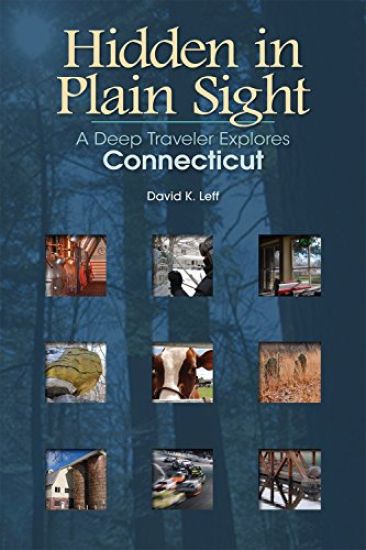
Hidden in Plain Sight

Hidden in Plain Sight

David K. Leff

Wesleyan University Press
2014
nidottu
In the course of the mundane routines of life, we encounter a variety of landscapes and objects, either ignoring them or looking without interest at what appears to be just a tree, stone, anonymous building, or dirt road. But the "deep traveler," according to Hartford Courant essayist David K. Leff, doesn't make this mistake. Instead, the commonplace elements become the most important. By learning to see the magic in the mundane, we not only enrich daily life with a sense of place, we are more likely to protect and make those places better. Over his many years working at the Connecticut Department of Environmental Protection and writing about the state's landscape, Leff gained unparalleled intimacy while traveling its byways and back roads. In Hidden in Plain Sight, Leff's essays and photographs take us on a point-by-point journey, revealing the rich stories behind many of Connecticut's overlooked landmarks, from the Merritt Parkway and Cornwall's Cathedral Pines to roadside rock art and centuries-old milestones.
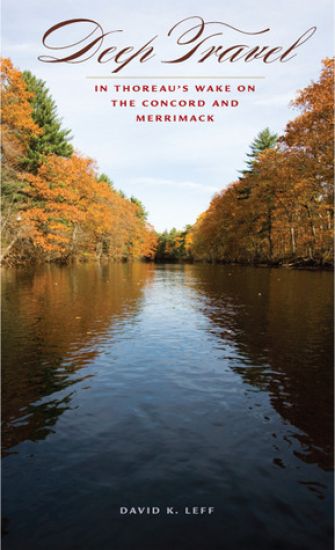
Deep Travel

Deep Travel

David K. Leff; Wayne Franklin

University of Iowa Press
2009
sidottu
In the hot summer of 2004, David Leff floated away from the routine of daily life just as Henry David Thoreau and his brother had done in their own small boat in 1839. Fortified with Thoreau's observations as revealed in ""A Week on the Concord and Merrimack Rivers"", Leff brought his own concept of mindful deep travel to these same New England waterways. His first-person narrative uses his ecological way of looking, of going deep rather than far, to show that our outward journeys are inseparable from our inward ones. How we see depends on where we are in our lives and with whom we travel. Leff chose his companions wisely. In consecutive journeys his neighbor and friend Alan, a veteran city planner; his son Josh, an energetic eleven-year-old; and his sweetheart Pamela, a compassionate professional caregiver, added their perspectives to Leff's own experiences as a government official in natural resources policy. Not so much sight seeing as sight seeking, together they explored a geography of the imagination as well as the rich natural and human histories of the rivers and their communities. The heightened awareness of deep travel demands that we immerse ourselves fully in places and realize that they exist in time as well as space. Its mindfulness enriches the experience and makes the voyager worthy of the journey. Leff's intriguing, contemplative deep travel along these historic rivers presents a methodology for exploration that will enrich any trip.
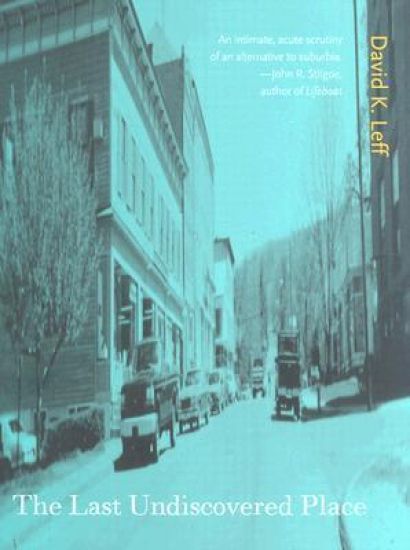
The Last Undiscovered Place

The Last Undiscovered Place

David K. Leff

University of Virginia Press
2004
sidottu
With warmth and a keen eye for the nuances of history and place, David K. Leff offers this affectionate, insightful portrait of his adopted home of Coilinsville, Connecticut, a village that looked perfectly ordinary until he fell prey to its rhythms and charm. The town taught him a new way of seeing his environment, and through this process he discovered what many Americans long for amid the suburban sprawl decried in James H. Kunstler's The Geography of Nowhere and many other recent books: a sense of community. When Leff began to look for a suitable place to raise a family, his criteria were familiar: an affordable fixer-upper with some historical character, pleasant neighbors, good schools, walkable streets, and attractive natural surroundings. The suburbs around Hartford were uninviting, so he settled sixteen miles away in Collinsville, a small village that grew up around-- indeed was largley built by--The Collins Company, once the world's leading maker of edge tools. Collins, which supplied the pikes for John Brown's raid on Harpers Ferry, went out of business in 1966, and Collinsville settled into the familiar decrepitude of many New England mill towns. In spite of its half-alive state, Leff found in its battered factory buildings and struggling main street an extraordinary place. Built before the restrictive zoning codes that today keep most Americans in their cars for hours on end, Collinsville's mixed-use center has been preserved by industrious residents and a hilly topography marked by the presence of the Farmington River that once drove the mill. The landscape designer Frederick Law Olmsted, Sr. lived here at a time when Samuel Collins, the socially minded founder of the company, was laying out his ideal village for workers and managers. Leff feels Olmsted's presence as he walks the village's uneven streets, often in the company of his children, musing on its history, politics, and architecture. Living at the center of Collins's creation years later, Leff has come to believe, like Olmsted, that human beings are deeply affected by their experience of landscape, and that local interaction--between parents and teachers, store owners and customers, bar regulars and volunteer firefighters--matters. The Last Undiscovered Place argues quietly but forcefully for looking at our landscapes more carefully, as Leff strives for a metaphorical Collinsville that can serve as a way to rediscover other places, those that already exist and those that are still on the drawing boards of developers and planners.