Kirjojen hintavertailu. Mukana 12 290 112 kirjaa ja 12 kauppaa.
Kirjailija
David L. Nicandri
Kirjat ja teokset yhdessä paikassa: 8 kirjaa, julkaisuja vuosilta 1998-2024, suosituimpien joukossa Almost a Hero. Vertaile teosten hintoja ja tarkista saatavuus suomalaisista kirjakaupoista.
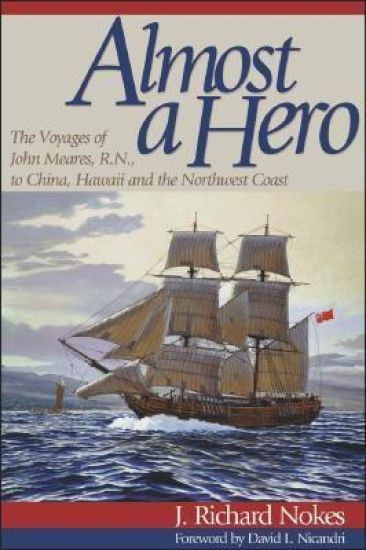
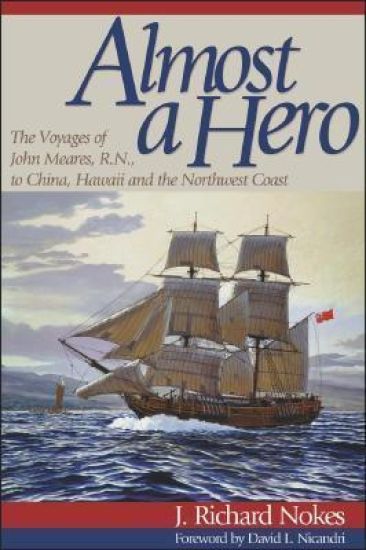
Beginning in 1786, Captain John Meares of Great Britain bravely explored and charted routes in the North Pacific, but his bold attempt to dominate the rich new fur trade between the Northwest Coast and Asia was frustrated when the Spanish navy seized his ships off Vancouver Island in 1789. His appeal to Parliament nearly resulted in war between England and Spain. Meares also built the first ship on the Northwest Coast and brought the first Chinese and a Hawaiian prince to the area, but missed the opportunity to explore Puget Sound or discover the Columbia River. Hence, he was "almost a hero."Meares' story is a fascinating glimpse into the period when the great European maritime powers and the newly-established United States vied for geographical knowledge, empire, and control of the Indian fur trade.
Beginning in 1786, Captain John Meares of Great Britain bravely explored and charted routes in the North Pacific, but his bold attempt to dominate the rich new fur trade between the Northwest Coast and Asia was frustrated when the Spanish navy seized his ships off Vancouver Island in 1789. His appeal to Parliament nearly resulted in war between England and Spain. Meares also built the first ship on the Northwest Coast and brought the first Chinese and a Hawaiian prince to the area, but missed the opportunity to explore Puget Sound or discover the Columbia River. Hence, he was "almost a hero."Meares' story is a fascinating glimpse into the period when the great European maritime powers and the newly-established United States vied for geographical knowledge, empire, and control of the Indian fur trade.
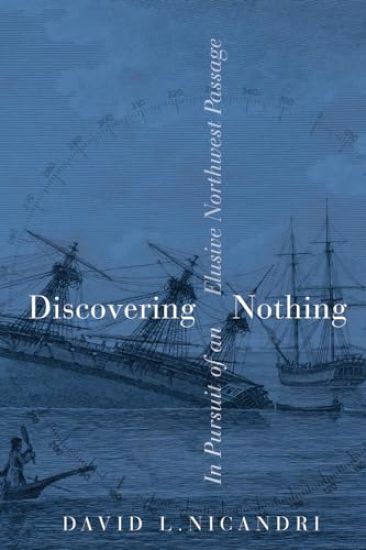
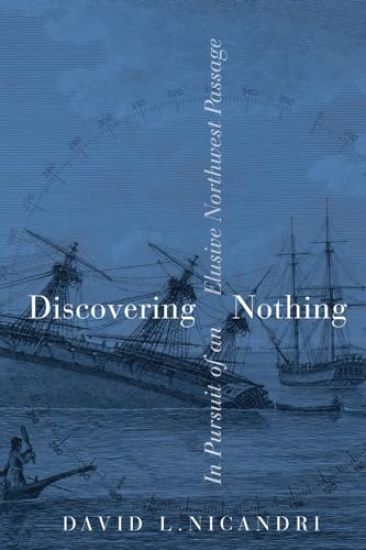
The many attempts by navigators to find a Northwest Passage via its Pacific portal all ended in failure; however, their discoveries spurred expansionist developments that would forever alter the landscape of North America. In Discovering Nothing, David L. Nicandri maps a cast of geographic visionaries and practical explorers as they promoted or sought a workable commercial route linking the Pacific Ocean to the Atlantic. The discovery of the legendary northern passage proved elusive, but the equivalent land bridges that were built in the form of two transcontinental railroads changed the futures of Canada and the United States. Drawing from close readings of explorers' personal journals, Nicandri provides readers a detailed, engaging, and multifaceted investigation into the many players and failed enterprises at the core of this search, beginning in the eighteenth century through to today — and to the unexpected impact of climate change on this fabled passage.
The many attempts by navigators to find a Northwest Passage via its Pacific portal all ended in failure; however, their discoveries spurred expansionist developments that would forever alter the landscape of North America. In Discovering Nothing, David L. Nicandri maps a cast of geographic visionaries and practical explorers as they promoted or sought a workable commercial route linking the Pacific Ocean to the Atlantic. The discovery of the legendary northern passage proved elusive, but the equivalent land bridges that were built in the form of two transcontinental railroads changed the futures of Canada and the United States. Drawing from close readings of explorers' personal journals, Nicandri provides readers a detailed, engaging, and multifaceted investigation into the many players and failed enterprises at the core of this search, beginning in the eighteenth century through to today — and to the unexpected impact of climate change on this fabled passage.
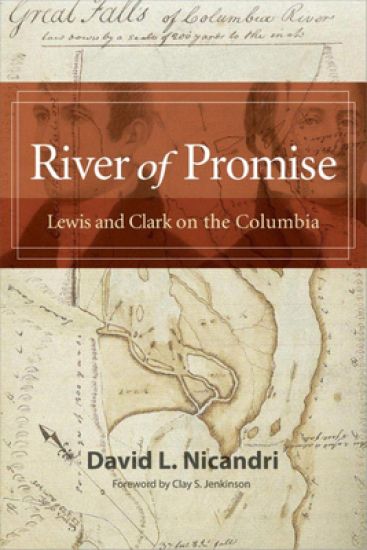
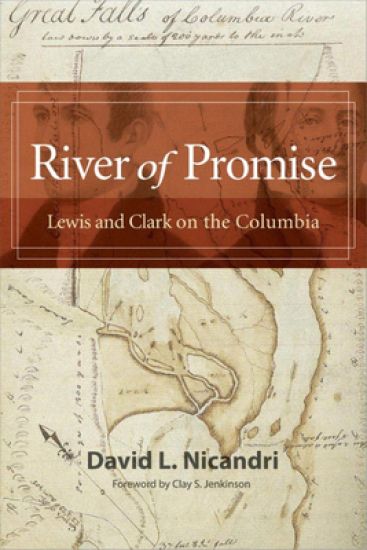
In the many published accounts of the Lewis and Clark expedition, historians have tended to undervalue the explorers' encounter with Columbia River country. Most narratives emphasize Lewis and Clark's adventures through their journey to the Bitterroot Mountains but have said little about the rest of their travels west of there. River of Promise fills a significant gap in our understanding of Lewis and Clark's legendary expedition.Historian David L. Nicandri shifts the focus to an essential goal of the explorers: to discover the headwaters of the Columbia and a water route to the Pacific Ocean. He also restores William Clark in his role as the primary geographic problem-solver of the partnership. Most historians assume that Meriwether Lewis was a more distinguished scientist than Clark because of his formal training in Philadelphia and superior writing skills. Here we see Clark as Lewis's equal as scientific geographer, not merely the practical manager of boats and personnel.Nicandri places the legend of Sacagawea in clearer perspective by focusing instead on the contributions of often-overlooked Indian leaders in Columbia River country. He also offers many points of comparison to other explorers and a provocative analysis of Lewis's suicide in 1809, arguing that it was not a sudden event but fruit of a seed planted much earlier, quite possibly in Columbia country. Originally published by The Dakota Institute.
In the many published accounts of the Lewis and Clark expedition, historians have tended to undervalue the explorers' encounter with Columbia River country. Most narratives emphasize Lewis and Clark's adventures through their journey to the Bitterroot Mountains but have said little about the rest of their travels west of there. River of Promise fills a significant gap in our understanding of Lewis and Clark's legendary expedition.Historian David L. Nicandri shifts the focus to an essential goal of the explorers: to discover the headwaters of the Columbia and a water route to the Pacific Ocean. He also restores William Clark in his role as the primary geographic problem-solver of the partnership. Most historians assume that Meriwether Lewis was a more distinguished scientist than Clark because of his formal training in Philadelphia and superior writing skills. Here we see Clark as Lewis's equal as scientific geographer, not merely the practical manager of boats and personnel.Nicandri places the legend of Sacagawea in clearer perspective by focusing instead on the contributions of often-overlooked Indian leaders in Columbia River country. He also offers many points of comparison to other explorers and a provocative analysis of Lewis's suicide in 1809, arguing that it was not a sudden event but fruit of a seed planted much earlier, quite possibly in Columbia country. Originally published by The Dakota Institute.
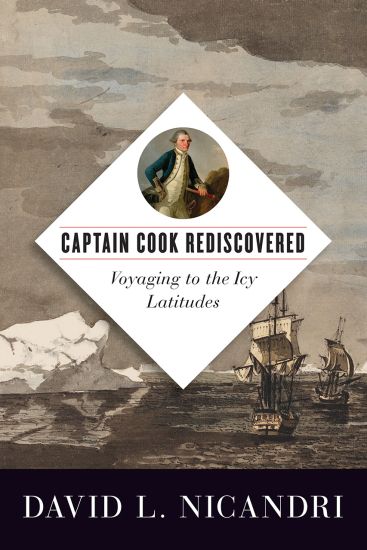
Captain Cook Rediscovered is the first modern study to frame Captain James Cook’s career from a North American vantage. Although Cook is inextricably linked to the South Pacific in the popular imagination, his crowning navigational and scientific achievements took place in the polar regions. Recognizing that Cook sailed more miles in the high latitudes of all of the world’s oceans than in the tropical zone, this book gives due attention to his voyages in seas and lands usually neglected. David L. Nicandri acknowledges the cartographic accomplishments of the Australasian first voyage but focuses on the second- and third-voyage discovery missions near the poles, where Cook pioneered the science of iceberg and icepack formation. This ground-breaking book overturns an area of study that has been typically dominated by the “palm-tree paradigm” – resulting in a truly modern appraisal of Cook for the climate change era.
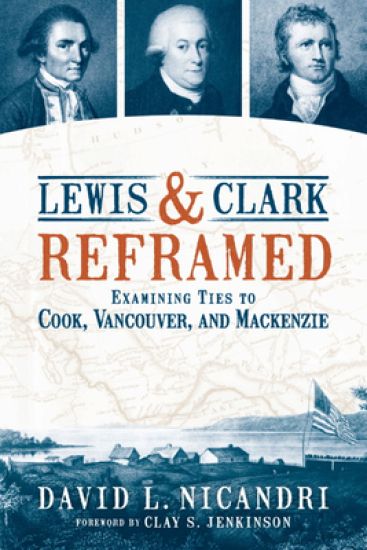
Spanish, British, and French explorers reached the Pacific Northwest before Meriwether Lewis and William Clark. The American captains benefited from those predecessors, even carrying with them copies of their published accounts. James Cook, George Vancouver, and Alexander Mackenzie--and to a lesser extent fur traders John Meares and Robert Gray--directly and indirectly influenced the expedition. Based on new material as well as revised essays from popular history journals, Lewis and Clark Reframed examines several curious and seemingly inexplicable aspects of the journey after the Corps of Discovery crossed the Rocky Mountains.The captains' journals demonstrate that they relied on Mackenzie's 1801 Voyages from Montreal as a trail guide. They borrowed field techniques and favorite literary expressions--at times plagiarizing entire paragraphs. Cook's literature also informed the pair, and his naming conventions evoke fresh ideas about an enduring expedition mystery--the identity of the two or three journalists whose records are now missing. Additional journal text analysis dispels the notion that the captains were equals, despite expedition lore. Lewis claimed all the epochal discoveries for himself, and in one of his more memorable passages, drew on Mackenzie for inspiration. Parallels between Cook's and other exploratory accounts offer evidence that like many long-distance voyagers, Lewis grappled with homesickness. His friendship with Mahlon Dickerson lends insights into Lewis's shortcomings and eventual undoing. As secretary of the navy, Dickerson drew from Lewis's troubled past to impede the 1840s ocean expedition set to emulate Cook and solidify America's claim, through Lewis and Clark, to the region.