Kirjojen hintavertailu. Mukana 12 595 353 kirjaa ja 12 kauppaa.

Kirjailija

David Loewenstein

Kirjat ja teokset yhdessä paikassa: 8 kirjaa, julkaisuja vuosilta 1990-2016, suosituimpien joukossa Treacherous Faith. Vertaile teosten hintoja ja tarkista saatavuus suomalaisista kirjakaupoista.

8 kirjaa

Kirjojen julkaisuhaarukka 1990-2016.

Treacherous Faith

Treacherous Faith

David Loewenstein

Oxford University Press
2016
nidottu
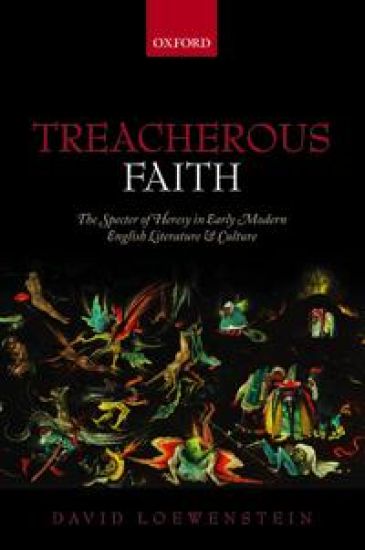
Treacherous Faith offers a new and ambitious cross-disciplinary account of the ways writers from the early English Reformation to the Restoration generated, sustained, or questioned cultural anxieties about heresy and heretics. This book examines the dark, often brutal story of defining, constructing, and punishing heretics in early modern England, and especially the ways writers themselves contributed to or interrogated the politics of religious fear-mongering and demonizing. It illuminates the terrors and anxieties early modern writers articulated and the fantasies they constructed about pernicious heretics and pestilent heresies in response to the Reformation's shattering of Western Christendom. Treacherous Faith analyzes early modern writers who contributed to cultural fears about the contagion of heresy and engaged in the making of heretics, as well as writers who challenged the constructions of heretics and the culture of religious fear-mongering. The responses of early modern writers in English to the specter of heresy and the making of heretics were varied, complex, and contradictory, depending on their religious and political alignments. Some writers (for example, Thomas More, Richard Bancroft, and Thomas Edwards) used their rhetorical resourcefulness and inventiveness to contribute to the politics of heresy-making and the specter of cunning, diabolical heretics ravaging the Church, the state, and thousands of souls; others (for example, John Foxe) questioned within certain cultural limitations heresy-making processes and the violence and savagery that religious demonizing provoked; and some writers (for example, Anne Askew, John Milton, and William Walwyn) interrogated with great daring and inventiveness the politics of religious demonizing, heresy-making, and the cultural constructions of heretics. Treacherous Faith examines the complexities and paradoxes of the heresy-making imagination in early modern England: the dark fantasies, anxieties, terrors, and violence it was capable of generating, but also the ways the dreaded specter of heresy could stimulate the literary creativity of early modern authors engaging with it from diverse religious and political perspectives. Treacherous Faith is a major interdisciplinary study of the ways the literary imagination, religious fears, and demonizing interacted in the early modern world. This study of the early modern specter of heresy contributes to work in the humanities seeking to illuminate the changing dynamics of religious fear, the rhetoric of religious demonization, and the powerful ways the literary imagination represents and constructs religious difference.
Treacherous Faith

Treacherous Faith

David Loewenstein

Oxford University Press
2013
sidottu
Treacherous Faith offers a new and ambitious cross-disciplinary account of the ways writers from the early English Reformation to the Restoration generated, sustained, or questioned cultural anxieties about heresy and heretics. This book examines the dark, often brutal story of defining, constructing, and punishing heretics in early modern England, and especially the ways writers themselves contributed to or interrogated the politics of religious fear-mongering and demonizing. It illuminates the terrors and anxieties early modern writers articulated and the fantasies they constructed about pernicious heretics and pestilent heresies in response to the Reformation's shattering of Western Christendom. Treacherous Faith analyzes early modern writers who contributed to cultural fears about the contagion of heresy and engaged in the making of heretics, as well as writers who challenged the constructions of heretics and the culture of religious fear-mongering. The responses of early modern writers in English to the specter of heresy and the making of heretics were varied, complex, and contradictory, depending on their religious and political alignments. Some writers (for example, Thomas More, Richard Bancroft, and Thomas Edwards) used their rhetorical resourcefulness and inventiveness to contribute to the politics of heresy-making and the specter of cunning, diabolical heretics ravaging the Church, the state, and thousands of souls; others (for example, John Foxe) questioned within certain cultural limitations heresy-making processes and the violence and savagery that religious demonizing provoked; and some writers (for example, Anne Askew, John Milton, and William Walwyn) interrogated with great daring and inventiveness the politics of religious demonizing, heresy-making, and the cultural constructions of heretics. Treacherous Faith examines the complexities and paradoxes of the heresy-making imagination in early modern England: the dark fantasies, anxieties, terrors, and violence it was capable of generating, but also the ways the dreaded specter of heresy could stimulate the literary creativity of early modern authors engaging with it from diverse religious and political perspectives. Treacherous Faith is a major interdisciplinary study of the ways the literary imagination, religious fears, and demonizing interacted in the early modern world. This study of the early modern specter of heresy contributes to work in the humanities seeking to illuminate the changing dynamics of religious fear, the rhetoric of religious demonization, and the powerful ways the literary imagination represents and constructs religious difference.

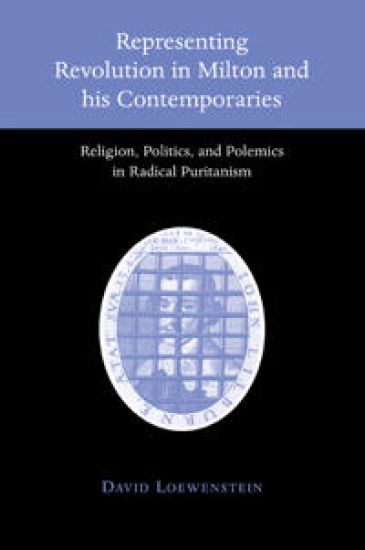
Representing Revolution in Milton and his Contemporaries

Representing Revolution in Milton and his Contemporaries

David Loewenstein

Cambridge University Press
2007
pokkari
David Loewenstein's Representing Revolution in Milton and his Contemporaries is a wide-ranging exploration of the interactions of literature, polemics and religious politics in the English Revolution. Loewenstein highlights the powerful spiritual beliefs and religious ideologies in the polemical struggles of Milton, Marvell and their radical Puritan contemporaries during these revolutionary decades. By examining a wide range of canonical and non-canonical writers - John Lilburne, Winstanley the Digger and Milton, amongst others - he reveals how radical Puritans struggled with the contradictions and ambiguities of the English Revolution and its political regimes. His portrait of a faction-riven, violent seventeenth-century revolutionary culture is an original and significant contribution to our understanding of these turbulent decades and their aftermath. By placing Milton's great poems in the context of the period's radical religious politics, it should be of interest to historians as well as literary scholars.
Milton and the Drama of History

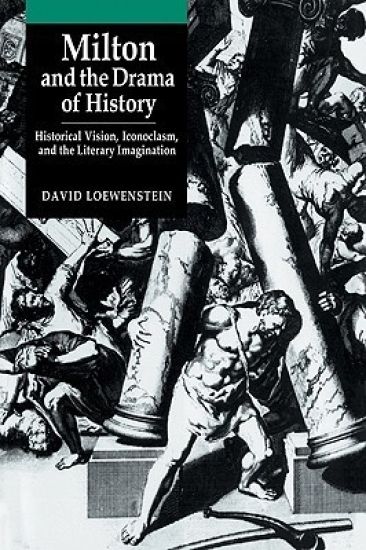
Milton and the Drama of History

David Loewenstein

Cambridge University Press
2006
pokkari
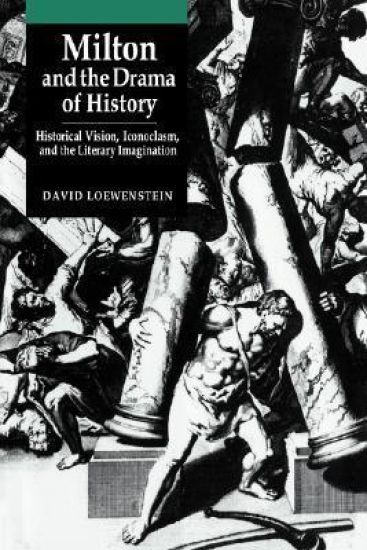
How did Milton's understanding of history relate to his literary expression of it? This book explores the role of history in Milton's literary works. It focuses on the writer's imaginative responses to the historical process - his interpretations of the past, visions of the future, and sense of the contemporary historical moment. David Loewenstein presents Milton as a controversial writer actively engaged in shaping, representing and participating in the drama of history of his age. Highlighting the apocalyptic and iconoclastic components of Milton's historical vision, the book examines the more turbulent dimensions of his polemic and poetic works. It stresses the importance of his less canonical texts, including Eikonoklastes and the History of Britain, and shows how they illuminate the sense of history dramatized in Paradise Lost and Samson Agonistes. Analysing the literary expressions of Milton's radicalism, this study reveals a complex interaction between consciousness and figurative expression, political vision and textual effects.
Milton: Paradise Lost

Milton: Paradise Lost

David Loewenstein

Cambridge University Press
2003
pokkari
This volume offers an accessible and stimulating introduction to one of the most influential texts of western literature. This guide highlights Milton’s imaginative daring as he boldly revises the epic tradition, brilliantly elaborates upon Genesis, and shapes his ambitious narrative in order to retell the story of the Fall. The book considers the heretical dimensions of Paradise Lost and its theology, while situating Milton’s great poem in its literary, religious, and political contexts. A concluding chapter addresses the influence of Milton’s sublime poem as a source of creative inspiration for later writers, from the Restoration to the Romantics. Finally, the volume offers an extremely useful and newly updated guide to further reading, which students will find invaluable.
Representing Revolution in Milton and his Contemporaries

Representing Revolution in Milton and his Contemporaries

David Loewenstein

Cambridge University Press
2001
sidottu
David Loewenstein’s book is a wide-ranging exploration of the interactions of literature, polemics and religious politics in the English Revolution. Loewenstein highlights the powerful spiritual beliefs and religious ideologies in the polemical struggles of Milton, Marvell and their radical Puritan contemporaries during these revolutionary decades. By examining a wide range of canonical and non-canonical writers - John Lilburne, Winstanley the Digger, and Milton, amongst others - he reveals how radical Puritans struggled with the contradictions and ambiguities of the English Revolution and its political regimes. His portrait of a faction-riven, violent seventeenth-century revolutionary culture is an original and significant contribution to our understanding of these turbulent decades and their aftermath. By placing Milton’s great poems in the context of the period’s radical religious politics, it should be of interest to historians as well as literary scholars.
Milton and the Drama of History

Milton and the Drama of History

David Loewenstein

Cambridge University Press
1990
sidottu
How did Milton’s understanding of history relate to his literary expression of it? This is the first book-length exploration of the role of history in Milton’s literary works. It focuses on the writer’s imaginative responses to the historical process - his interpretations of the past, visions of the future, and sense of the contemporary historical moment. David Loewenstein presents Milton as a controversial writer actively engaged in shaping, representing, and participating in the drama of history of his age. Highlighting the apocalyptic and iconoclastic components of Milton’s historical vision, the book examines the more turbulent dimensions of his polemic and poetic works. It stresses the importance of his less canonical texts, including Eikonoklastes and the History of Britain, and shows how they illuminate the sense of history dramatized in Paradise Lost and Samson Agonistes. Analyzing the literary expressions of Milton’s radicalism, this study reveals a complex interaction between consciousness and figurative expression, political vision and textual effects.