
Kirjojen hintavertailu. Mukana 12 595 353 kirjaa ja 12 kauppaa.

Kirjailija

David M. Stark

Kirjat ja teokset yhdessä paikassa: 3 kirjaa, julkaisuja vuosilta 2015-2025, suosituimpien joukossa Preaching that Confronts Confederate Monuments. Vertaile teosten hintoja ja tarkista saatavuus suomalaisista kirjakaupoista.

3 kirjaa

Kirjojen julkaisuhaarukka 2015-2025.

Preaching that Confronts Confederate Monuments

Preaching that Confronts Confederate Monuments

David M. Stark

BLOOMSBURY PUBLISHING PLC
2025
sidottu
Confederate monuments preach—at times subtly, at other times overtly—about who we are, who God is, and how we should live together. David M. Stark looks at the way many Confederate monuments provided ongoing opportunities for commemorative speeches and ceremonies that would entrench racist and white supremacist ideologies in the American South. Stark examines key speeches and proclamations given around monuments to the Lost Cause, such as Julian Carr's Silent Sam speech (1913), and Archer Anderson's speech at the dedication of a monument to Robert E. Lee (1890), reading these as theological and homiletic moments. Stark then moves on to construct a homiletic that can confront such monuments and the racist preaching ideologies around them.In developing this counter-homiletic, Stark analyzes the preaching strategies written into Confederate monuments and highlights best practices from recent counter-proclamations that deconstruct the troubling rhetoric and theology of Confederate monument dedication speeches. Finally, Stark presents insights from naming commission reports and clergy interviews about the values, mission, and leadership needed to work for ongoing change.
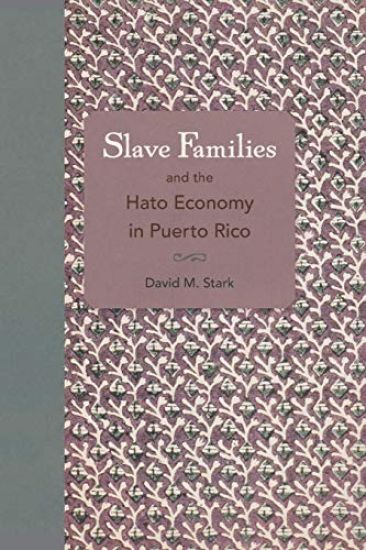
Slave Families and the Hato Economy in Puerto Rico

Slave Families and the Hato Economy in Puerto Rico

David M. Stark

University Press of Florida
2017
nidottu
Scholarship on slavery in the Caribbean frequently emphasizes sugar and tobacco production, but this unique work illustrates the importance of the region’s hato economy—a combination of livestock ranching, foodstuff cultivation, and timber harvesting—on the living patterns among slave communities. David Stark makes use of extensive Catholic parish records to provide a comprehensive examination of slavery in Puerto Rico and across the Spanish Caribbean. He reconstructs slave families to examine incidences of marriage, as well as birth and death rates. The result are never-before-analyzed details on how many enslaved Africans came to Puerto Rico, where they came from, and how their populations grew through natural increase. Stark convincingly argues that when animal husbandry drove much of the island’s economy, slavery was less harsh than in better-known plantation regimes geared toward crop cultivation. Slaves in the hato economy experienced more favorable conditions for family formation, relatively relaxed work regimes, higher fertility rates, and lower mortality rates.
Slave Families and the Hato Economy in Puerto Rico

Slave Families and the Hato Economy in Puerto Rico

David M. Stark

University Press of Florida
2015
sidottu
Scholarship on slavery in the Caribbean frequently emphasizes sugar and tobacco production, but this unique work illustrates the importance of the hato economy—a combination of livestock ranching, foodstuff cultivation, and timber harvesting—to the region.David Stark makes use of extensive Catholic parish records to provide a comprehensive examination of slavery in Puerto Rico and across the Spanish Caribbean. He reconstructs slave families to examine incidences of marriage, as well as birth and death rates. These records provide never-before-analyzed details about how many enslaved Africans came to Puerto Rico, where they came from, and how their populations grew through natural increase.Stark convincingly argues that when animal husbandry drove much of the island’s economy, slavery was less harsh than in better-known plantation regimes geared toward crop cultivation. Slaves in the hato economy experienced more favorable conditions for family formation, relatively relaxed work regimes, higher fertility rates, and lower mortality rates.Slave Families and the Hato Economy in Puerto Rico offers a fresh counterpoint to the focus on sugar and tobacco cultivation that has dominated the historiography of the Spanish Caribbean.