Kirjojen hintavertailu. Mukana 12 152 606 kirjaa ja 12 kauppaa.

Kirjailija

David M. Wrobel

Kirjat ja teokset yhdessä paikassa: 6 kirjaa, julkaisuja vuosilta 1993-2017, suosituimpien joukossa The Making of Modern Nevada. Vertaile teosten hintoja ja tarkista saatavuus suomalaisista kirjakaupoista.

6 kirjaa

Kirjojen julkaisuhaarukka 1993-2017.

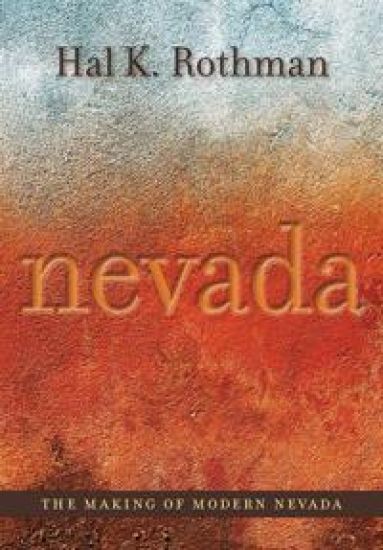
The Making of Modern Nevada

The Making of Modern Nevada

Hal K. Rothman; David M. Wrobel

University of Nevada Press
2010
nidottu
Nevada has always been different from other states. Almost from its beginning, Nevada sanctioned behaviors considered immoral elsewhere—gambling, prize-fighting, brothels, easy divorce—and embraced a culture of individualism and disdain for the constraints of more conventional society. In The Making of Modern Nevada, author Hal Rothman focuses on the factors that shaped the state’s original maverick, colonial status and those that later allowed it to emerge as the new standard of American consumer- ism and postmodern liberalism. Rothman introduces the masters who sought to own Nevada, from bonanza kings to Mafia mobsters, as well as the politicians, miners, gamblers, civic and civil-rights leaders, union organ- izers, and casino corporate moguls who guided the state into prosperity and national importance. He also analyzes the role of mob and labor union money in the development of Las Vegas; the Sagebrush Rebellion; the rise of megaresorts and of Las Vegas as a world icon of leisure and pleasure; and the political and social impact of the proposed Yucca Mountain nuclear waste repository. The Making of Modern Nevada is essential reading for anyone who wonders how the Silver State got this way, and where it may be going in the twenty-first century.
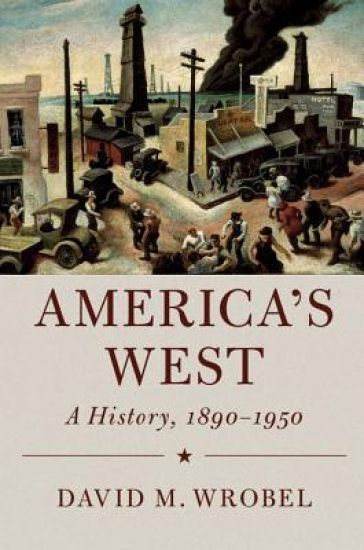
America's West

America's West

David M. Wrobel

Cambridge University Press
2017
sidottu
The American West has influenced important national developments throughout the twentieth century, not only in the cultural arena, but also in economic development, in political ideology and action, and in natural resource conservation and preservation. Using regionalism as a lens for illuminating these national trends, America's West: A History, 1890–1950 examines this region's history and explores its influence on the rest of America. Moving chronologically from the late nineteenth- to the mid-twentieth century, David M. Wrobel examines turn-of-the-century expansion, the Progressive Era, the 1920s, the Great Depression and the New Deal, World War II, and the early Cold War years. He emphasizes cultural and political history, showing how developments in the West frequently indicated the future direction of the country.
America's West

America's West

David M. Wrobel

Cambridge University Press
2017
pokkari
The American West has influenced important national developments throughout the twentieth century, not only in the cultural arena, but also in economic development, in political ideology and action, and in natural resource conservation and preservation. Using regionalism as a lens for illuminating these national trends, America's West: A History, 1890–1950 examines this region's history and explores its influence on the rest of America. Moving chronologically from the late nineteenth- to the mid-twentieth century, David M. Wrobel examines turn-of-the-century expansion, the Progressive Era, the 1920s, the Great Depression and the New Deal, World War II, and the early Cold War years. He emphasizes cultural and political history, showing how developments in the West frequently indicated the future direction of the country.
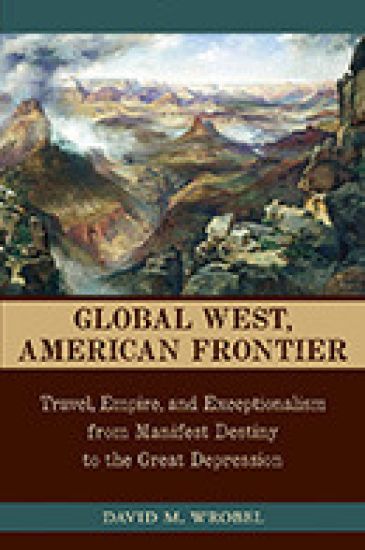
Global West, American Frontier

Global West, American Frontier

David M. Wrobel

University of New Mexico Press
2014
nidottu
Winner of the 2014 Western Heritage Award for Nonfiction from the National Cowboy & Western Heritage Museum, this thoughtful examination of a century of travel writing about the American West overturns a variety of popular and academic stereotypes. Looking at both European and American travelers’ accounts of the West, from de Tocqueville’s Democracy in America to William Least Heat-Moon’s Blue Highways, David Wrobel offers a counter narrative to the nation’s romantic entanglement with its western past and suggests the importance of some long-overlooked authors, lively and perceptive witnesses to our history who deserve new attention.Prior to the professionalization of academic disciplines, the reading public gained much of its knowledge about the world from travel writing. Travel writers found a wide and respectful audience for their reports on history, geography, and the natural world, in addition to reporting on aboriginal cultures before the advent of anthropology as a discipline. Although in recent decades western historians have paid little attention to travel writing, Wrobel demonstrates that this genre in fact offers an important and rich understanding of the American West - one that extends and complicates a simple reading of the West that promotes the notions of Manifest Destiny or American exceptionalism.Wrobel finds counterpoints to the mythic West of the nineteenth century in such varied accounts as George Catlin’s Adventures of the Ojibbeway and Ioway Indians in England, France, and Belgium (1852), Richard Francis Burton’s The City of the Saints (1861), and Mark Twain’s Following the Equator (1897), reminders of the messy and contradictory world that people navigated in the past much as they do in the present. His book is a testament to the instructive ways in which the best travel writers have represented the West.
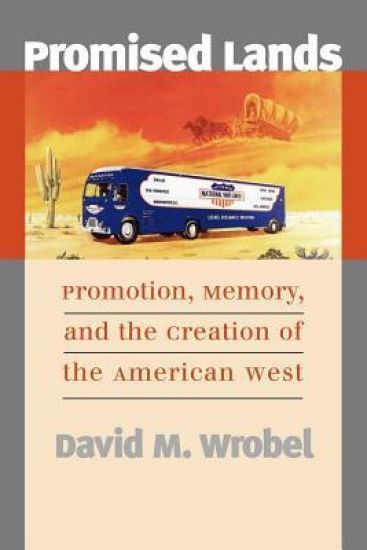
Promised Lands

Promised Lands

David M. Wrobel

University Press of Kansas
2002
nidottu
Exploring the vast literature produced by the romoters and reminiscers of the American West from the end of the Civil War through the 1920s, this book clarifies the pivotal impact of their works on our vision of both the historic and mythic West, and shows us that the West may well move into the twenty-first century, but our images of it are forever rooted in the nineteenth.
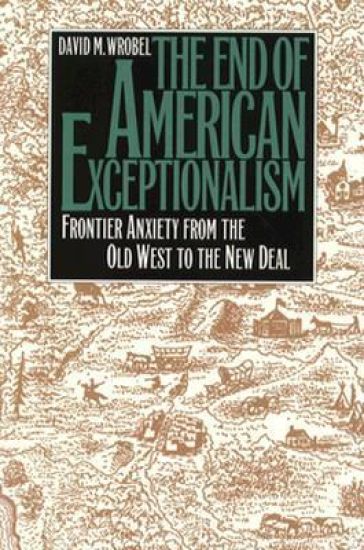
The End of American Exceptionalism

The End of American Exceptionalism

David M. Wrobel

University Press of Kansas
1993
nidottu
This work argues that American ""frontier anxiety"" was caused not by the closing of the frontier, but by the ""perception"" that it was closing. The author reassesses the impact of that perception and shows how it profoundly shaped the nation's cultural and political life between the 1870s and 1930s.