Kirjojen hintavertailu. Mukana 12 142 129 kirjaa ja 12 kauppaa.

Kirjailija

David O. Johnson

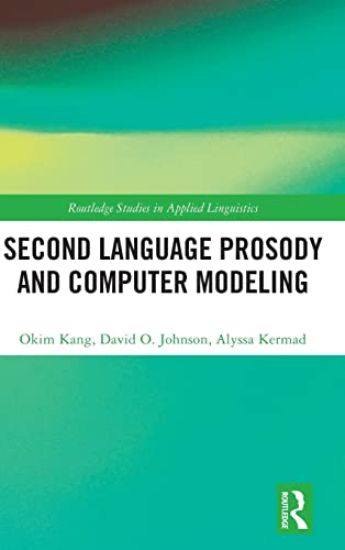
Kirjat ja teokset yhdessä paikassa: 3 kirjaa, julkaisuja vuosilta 2021-2024, suosituimpien joukossa Second Language Prosody and Computer Modeling. Vertaile teosten hintoja ja tarkista saatavuus suomalaisista kirjakaupoista.

Mukana myös kirjoitusasut: David O Johnson

3 kirjaa

Kirjojen julkaisuhaarukka 2021-2024.

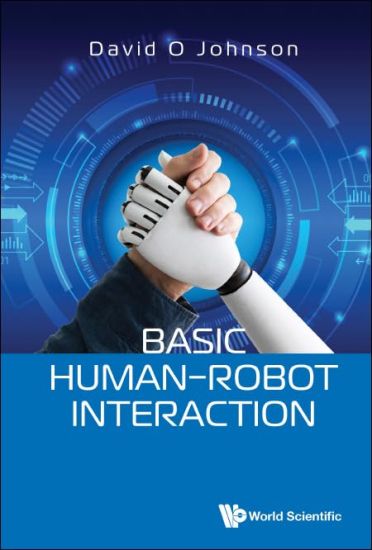
Basic Human-robot Interaction

Basic Human-robot Interaction

David O Johnson

WORLD SCIENTIFIC PUBLISHING CO PTE LTD
2024
sidottu
The book's content is designed to provide practical guidance and insights for conducting experiments in Human-Robot Interaction (HRI) and publishing the results in scientific journals. It includes a detailed explanation of how to conduct HRI experiments and what to do and what not to do to get an article accepted for publication. It is tailored to those seeking to deepen their understanding of HRI methodologies, statistical measurements, and research design. The case studies and examples featured in the book focus on interactions between social robots and specific demographics such as children and older adults, making it relevant for individuals working in healthcare, education, and related domains.Also covered are common statistical measurements used in HRI research and quantitative, qualitative, and meta-analyses. The concepts are illustrated with several international case studies of interactions between social robots and children and older adults and robot learning instead of programming. The final chapter explores current trends in HRI and provides insights into what to look for in the coming years. It includes an extensive reference section to help HRI researchers in all these areas.This book will appeal to an international audience of advanced students, researchers, industry, and others who are actively engaged or interested in the field of HRI.
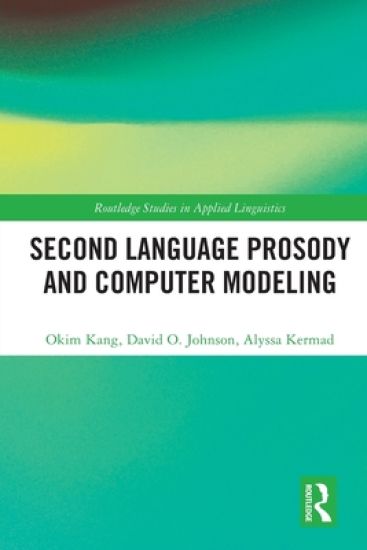
Second Language Prosody and Computer Modeling

Second Language Prosody and Computer Modeling

Okim Kang; David O. Johnson; Alyssa Kermad

TAYLOR FRANCIS LTD
2023
nidottu
This volume presents an interdisciplinary approach to the study of second language prosody and computer modeling. It addresses the importance of prosody’s role in communication, bridging the gap between applied linguistics and computer science.The book illustrates the growing importance of the relationship between automated speech recognition systems and language learning assessment in light of new technologies and showcases how the study of prosody in this context in particular can offer innovative insights into the computerized process of natural discourse. The book offers detailed accounts of different methods of analysis and computer models used and demonstrates how these models can be applied to L2 discourse analysis toward predicting real-world language use. Kang, Johnson, and Kermad also use these frameworks as a jumping-off point from which to propose new models of second language prosody and future directions for prosodic computer modeling more generally. Making the case for the use of naturalistic data for real-world applications in empirical research, this volume will foster interdisciplinary dialogues across students and researchers in applied linguistics, speech communication, speech science, and computer engineering.
Second Language Prosody and Computer Modeling

Second Language Prosody and Computer Modeling

Okim Kang; David O. Johnson; Alyssa Kermad

Routledge
2021
sidottu
This volume presents an interdisciplinary approach to the study of second language prosody and computer modeling. It addresses the importance of prosody’s role in communication, bridging the gap between applied linguistics and computer science.The book illustrates the growing importance of the relationship between automated speech recognition systems and language learning assessment in light of new technologies and showcases how the study of prosody in this context in particular can offer innovative insights into the computerized process of natural discourse. The book offers detailed accounts of different methods of analysis and computer models used and demonstrates how these models can be applied to L2 discourse analysis toward predicting real-world language use. Kang, Johnson, and Kermad also use these frameworks as a jumping-off point from which to propose new models of second language prosody and future directions for prosodic computer modeling more generally. Making the case for the use of naturalistic data for real-world applications in empirical research, this volume will foster interdisciplinary dialogues across students and researchers in applied linguistics, speech communication, speech science, and computer engineering.