Kirjojen hintavertailu. Mukana 12 657 676 kirjaa ja 12 kauppaa.

Kirjailija

David R. Nienhuis

Kirjat ja teokset yhdessä paikassa: 5 kirjaa, julkaisuja vuosilta 2007-2018, suosituimpien joukossa Not By Paul Alone. Vertaile teosten hintoja ja tarkista saatavuus suomalaisista kirjakaupoista.

5 kirjaa

Kirjojen julkaisuhaarukka 2007-2018.

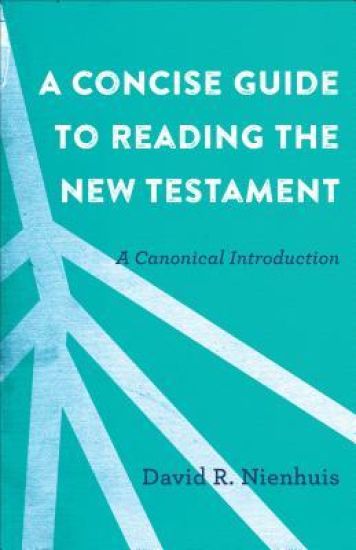
A Concise Guide to Reading the New Testament – A Canonical Introduction

A Concise Guide to Reading the New Testament – A Canonical Introduction

David R. Nienhuis

Baker Academic, Div of Baker Publishing Group
2018
nidottu
The New Testament came together, and comes to us, not as a randomly sorted set of individual books but as a definitely shaped and ordered whole. This concise, theological introduction to the New Testament sheds light on the interpretive significance of the canon's structure and sequence and articulates how the final shape of the canon is formative for Christian discipleship. Providing an essential overview often missing from New Testament books and courses, this book will serve as an accessible supplement to any New Testament or Bible introduction textbook.
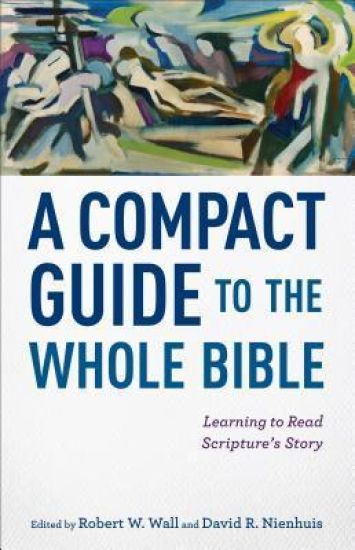
A Compact Guide to the Whole Bible – Learning to Read Scripture`s Story

A Compact Guide to the Whole Bible – Learning to Read Scripture`s Story

Robert W. Wall; David R. Nienhuis

Baker Academic, Div of Baker Publishing Group
2015
nidottu
This compact, one-semester introduction to the Bible prepares students to begin reading the biblical text as Christian Scripture, focusing on the meaning of Scripture for the church. The editors and contributors--experienced teachers with expertise in different parts of the Bible--orient students to the whole of Scripture so that they may read the biblical text for themselves. The book first explains what Christians believe about Scripture and gives a bird's-eye survey of the whole biblical story. Chapters then introduce the story, arrangement, style, and key ideas of each division of the Old and New Testament, helping readers see how the books of the Bible make a coherent whole.
Reading the Epistles of James, Peter, John and Jude as Scripture

Reading the Epistles of James, Peter, John and Jude as Scripture

David R. Nienhuis

William B Eerdmans Publishing Co
2013
nidottu
Through a detailed examination of the historical shaping and final canonical shape of seven oft-neglected New Testament letters, Reading the Epistles of James, Peter, John, and Jude as Scripture introduces readers to the historical, literary, and theological integrity of this indispensable apostolic witness.While most scholars today interpret biblical texts in terms of their individual historical points of composition, David Nienhuis and Robert Wall argue that a theological approach to this part of Scripture is better served by attending to these texts' historical point of canonization -- those key moments in the ancient church's life when apostolic writings were grouped together to maximize the Spirit's communication of the apostolic rule of faith to believers everywhere.Reading the Epistles of James, Peter, John, and Jude as Scripture is the only treatment of the Catholic Epistles that approaches these seven letters as an intentionally designed and theologically coherent canonical collection.
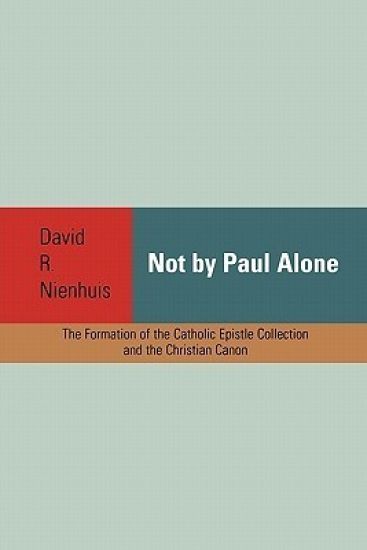
Not by Paul Alone

Not by Paul Alone

David R. Nienhuis

Baylor University Press
2011
nidottu
Not by Paul Alone explores the historical reasons for the creation of the book of James and the implications for the creation of the Christian canon. Nienhuis makes a compelling case that James was written in the mid-second century and is, like 2 Peter, an attempt to provide a distinctive shape to the emerging New Testament. This book bolsters the claim that the Catholic Epistles not only have a distinct witness individually, but that collectively they are also a considered theological agenda within the Christian church.
Not By Paul Alone

Not By Paul Alone

David R. Nienhuis

Baylor University Press
2007
sidottu
Not by Paul Alone explores the historical reasons for the creation of the book of James and the implications for the creation of the Christian canon. Nienhuis makes a compelling case that James was written in the mid-second century and is, like 2 Peter, an attempt to provide a distinctive shape to the emerging New Testament. This book bolsters the claim that the Catholic Epistles not only have a distinct witness individually, but that collectively they are also a considered theological agenda within the Christian church.