
Kirjailija
David Smith
Kirjat ja teokset yhdessä paikassa: 564 kirjaa, julkaisuja vuosilta 1988-2026, suosituimpien joukossa The Correspondence of H G Wells Vol 4. Vertaile teosten hintoja ja tarkista saatavuus suomalaisista kirjakaupoista.
Mukana myös kirjoitusasut: David Smith.
564 kirjaa
Kirjojen julkaisuhaarukka 1988-2026.
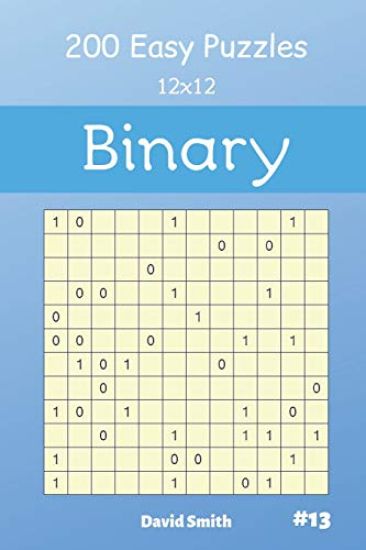
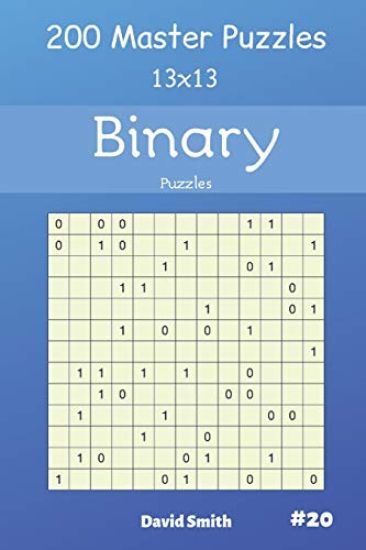
Binary (also known as "Binairo Puzzle", "Takuzu", "Tohu wa Vohu") is played on a rectangular or square grid. The goal is to fill in the grid with digits "0" and "1" according to the following rules: Each box should contain a zero or a one.No more than two similar numbers next to or below each other are allowed.Each row and each column should contain an equal number of zeros and ones (or one more for odd sized grids).Each row is unique, and each column is unique.
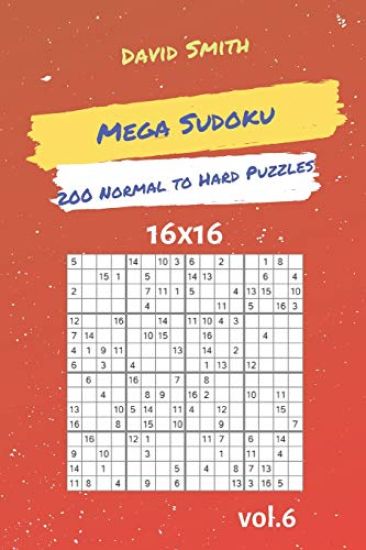
Mega Sudoku - 200 Normal to Hard Puzzles 16x16 vol.6
David Smith
Independently Published
2019
pokkari
The puzzle a 16 x 16 grid made up of 4 x 4 subgrids (called "regions"). Some cells already contain numbers, known as "givens". The goal is to fill in the empty cells, one number in each, so that each column, row, and region contains the numbers 1 through 16 exactly once. Each number in the solution therefore occurs only once in each of three "directions", hence the "single numbers" implied by the puzzle's name.
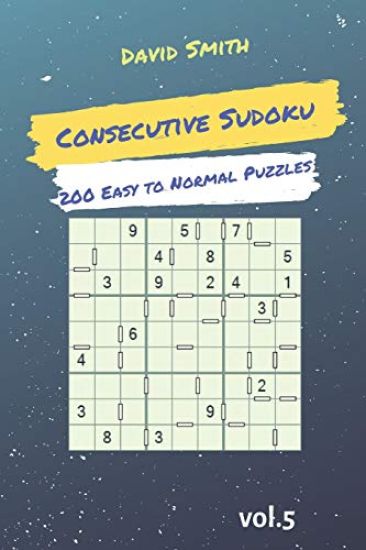
Consecutive Sudoku - 200 Easy to Normal Puzzles vol.5
David Smith
Independently Published
2019
pokkari
A Consecutive Sudoku puzzle adds one extra constraint to the standard Sudoku grid - not only must you place 1 to 9 (or 1 to whatever the width of the puzzle is) in each row, column and bold-lined box, but also obey the white consecutive markers: White bars between squares indicate that the squares are consecutive - meaning that the numbers in these two squares have a numerical difference of '1'. For example: 1 and 2; or 4 and 5. If there is no white bar then the numbers are not consecutive.
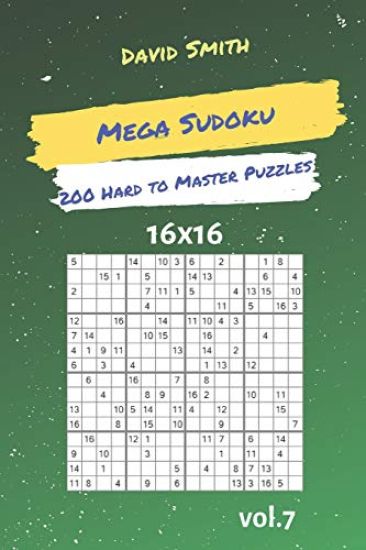
Mega Sudoku - 200 Hard to Master Puzzles 16x16 Vol.7
David Smith
Independently Published
2019
nidottu
The puzzle a 16 x 16 grid made up of 4 x 4 subgrids (called "regions"). Some cells already contain numbers, known as "givens." The goal is to fill in the empty cells, one number in each, so that each column, row, and region contains the numbers 1 through 16 exactly once. Each number in the solution therefore occurs only once in each of three "directions," hence the "single numbers" implied by the puzzle's name.
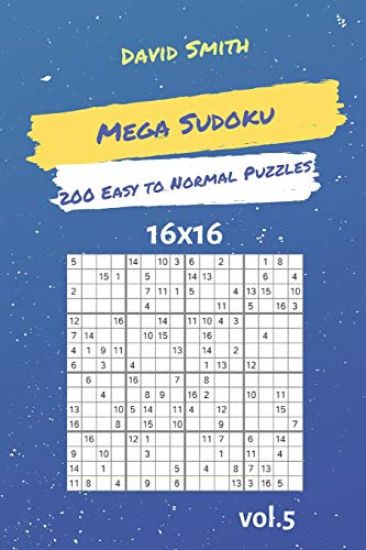
Mega Sudoku - 200 Easy to Normal Puzzles 16x16 Vol.5
David Smith
Independently Published
2019
nidottu
The puzzle a 16 x 16 grid made up of 4 x 4 subgrids (called "regions"). Some cells already contain numbers, known as "givens." The goal is to fill in the empty cells, one number in each, so that each column, row, and region contains the numbers 1 through 16 exactly once. Each number in the solution therefore occurs only once in each of three "directions," hence the "single numbers" implied by the puzzle's name.
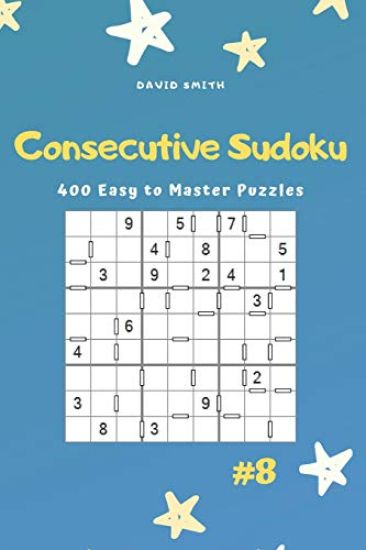
Consecutive Sudoku - 400 Easy to Master Puzzles Vol.8
David Smith
Independently Published
2019
nidottu
A Consecutive Sudoku puzzle adds one extra constraint to the standard Sudoku grid - not only must you place 1 to 9 (or 1 to whatever the width of the puzzle is) in each row, column and bold-lined box, but also obey the white consecutive markers: White bars between squares indicate that the squares are consecutive - meaning that the numbers in these two squares have a numerical difference of '1'. For example: 1 and 2; or 4 and 5. If there is no white bar then the numbers are not consecutive.
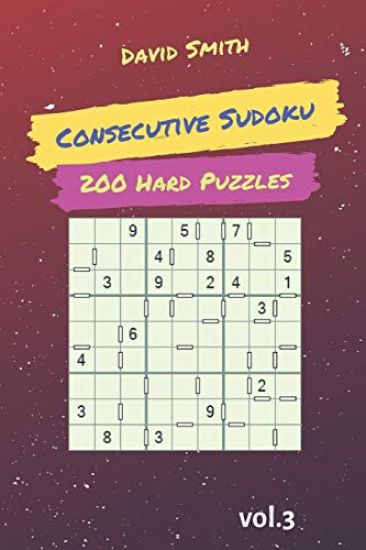
A Consecutive Sudoku puzzle adds one extra constraint to the standard Sudoku grid - not only must you place 1 to 9 (or 1 to whatever the width of the puzzle is) in each row, column and bold-lined box, but also obey the white consecutive markers: White bars between squares indicate that the squares are consecutive - meaning that the numbers in these two squares have a numerical difference of '1'. For example: 1 and 2; or 4 and 5. If there is no white bar then the numbers are not consecutive.
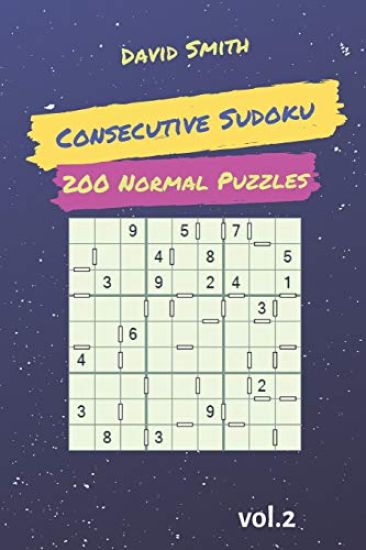
A Consecutive Sudoku puzzle adds one extra constraint to the standard Sudoku grid - not only must you place 1 to 9 (or 1 to whatever the width of the puzzle is) in each row, column and bold-lined box, but also obey the white consecutive markers: White bars between squares indicate that the squares are consecutive - meaning that the numbers in these two squares have a numerical difference of '1'. For example: 1 and 2; or 4 and 5. If there is no white bar then the numbers are not consecutive.
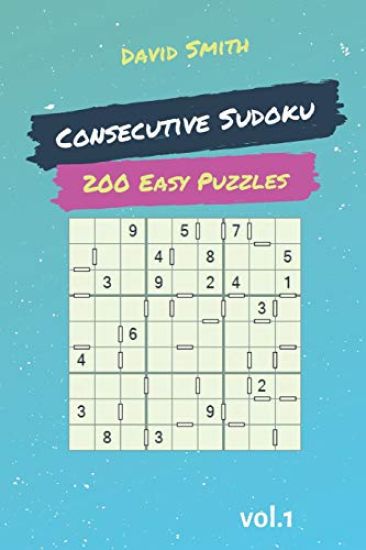
A Consecutive Sudoku puzzle adds one extra constraint to the standard Sudoku grid - not only must you place 1 to 9 (or 1 to whatever the width of the puzzle is) in each row, column and bold-lined box, but also obey the white consecutive markers: White bars between squares indicate that the squares are consecutive - meaning that the numbers in these two squares have a numerical difference of '1'. For example: 1 and 2; or 4 and 5. If there is no white bar then the numbers are not consecutive.
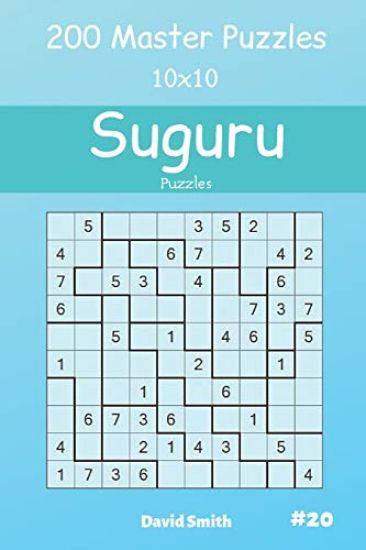
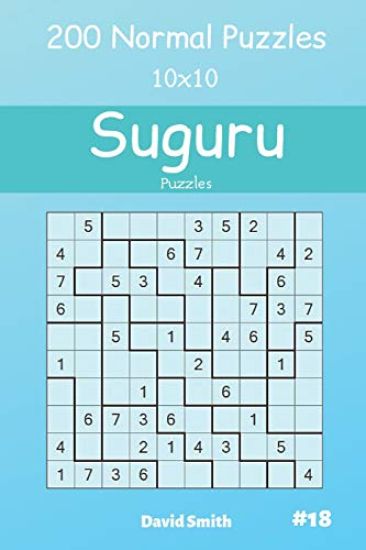

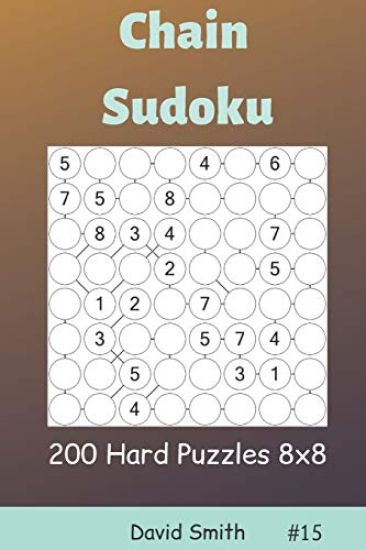
The Sudoku Chain is similar to the Jigsaw Sudoku, each one have regions of irregular shapes.Consists of a group of circles arranged in a square grid and containing given clues in various places. The object is to fill all empty circles so that the digits appear exactly once in each row, column and chain.
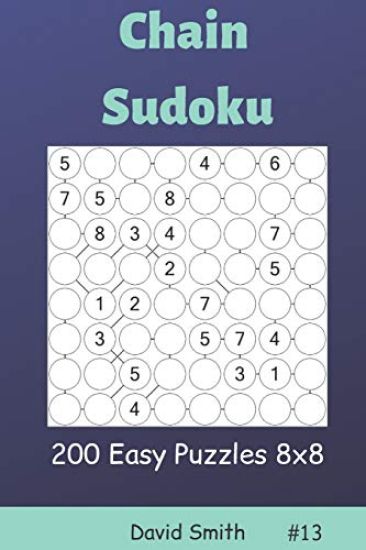
The Sudoku Chain is similar to the Jigsaw Sudoku, each one have regions of irregular shapes.Consists of a group of circles arranged in a square grid and containing given clues in various places. The object is to fill all empty circles so that the digits appear exactly once in each row, column and chain.
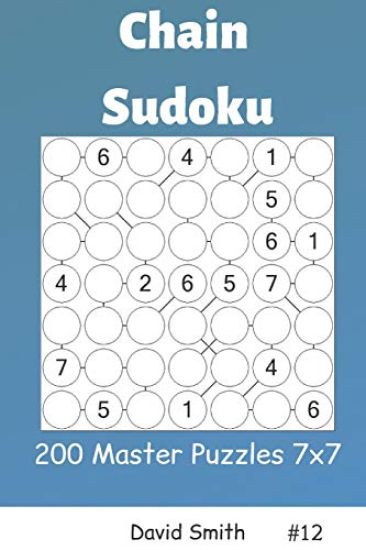
The Sudoku Chain is similar to the Jigsaw Sudoku, each one have regions of irregular shapes.Consists of a group of circles arranged in a square grid and containing given clues in various places. The object is to fill all empty circles so that the digits appear exactly once in each row, column and chain.
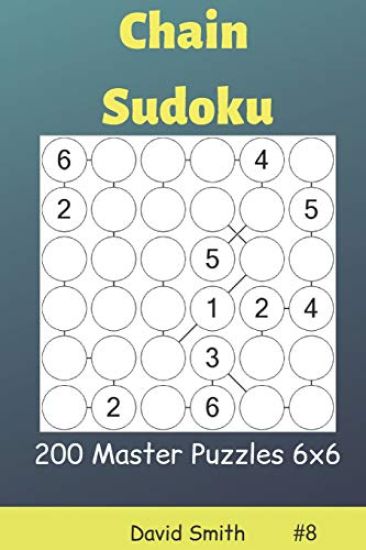
The Sudoku Chain is similar to the Jigsaw Sudoku, each one have regions of irregular shapes.Consists of a group of circles arranged in a square grid and containing given clues in various places. The object is to fill all empty circles so that the digits appear exactly once in each row, column and chain.
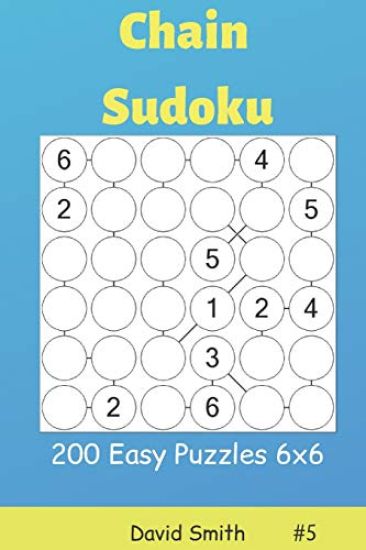
The Sudoku Chain is similar to the Jigsaw Sudoku, each one have regions of irregular shapes.Consists of a group of circles arranged in a square grid and containing given clues in various places. The object is to fill all empty circles so that the digits appear exactly once in each row, column and chain.