Kirjojen hintavertailu. Mukana 12 271 953 kirjaa ja 12 kauppaa.
Kirjailija
David Smith
Kirjat ja teokset yhdessä paikassa: 561 kirjaa, julkaisuja vuosilta 1988-2026, suosituimpien joukossa The Correspondence of H G Wells Vol 4. Vertaile teosten hintoja ja tarkista saatavuus suomalaisista kirjakaupoista.
The rules of Jigsaw Sudoku are similar to standard Sudoku, since you must place each of the numbers 1 to 9 (or 1 to whatever the size of the puzzle is) into each of the rows and columns. However whereas standard Sudoku also has rectangular boxes that must each contain every number, in Jigsaw Sudoku these boxes are replaced by different bold-lined shapes that must each contain every number instead.
Binary (also known as "Binairo Puzzle", "Takuzu", "Tohu wa Vohu") is played on a rectangular or square grid. The goal is to fill in the grid with digits "0" and "1" according to the following rules: Each box should contain a zero or a one.No more than two similar numbers next to or below each other are allowed.Each row and each column should contain an equal number of zeros and ones (or one more for odd sized grids).Each row is unique, and each column is unique
This book is a reference work with an encyclopedic range, offering contemporary and systematic comparisons between the United States and 17 other economically advanced, stable liberal democracies, as well as some more global comparisons. It offers international data on as many aspects of social life as possible, from taxation to traffic accidents, homicide rates to health expenditure, and interest rates to internet usage. Wherever possible, it offers not only the most recent available data but also trends over decades. The discussion focuses on changes over time and comparisons between countries. Sometimes the contrasts are striking; sometimes the commonalities are more instructive. Often national political debates are conducted in a vacuum, and examining comparative data on policies, performance, and prospects can give a better perspective.
This book about bad bosses has been meticulously researched by David Smith with interviews of over 200 CEOs and other leaders. He has discovered the top 10 leadership pitfalls which irritate followers most. These bad habits decrease morale and hinder productivity in the workforce. Such traits need to be removed from a business and replaced by good leadership habits.
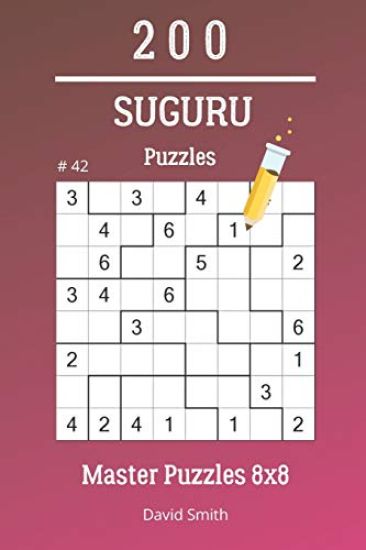
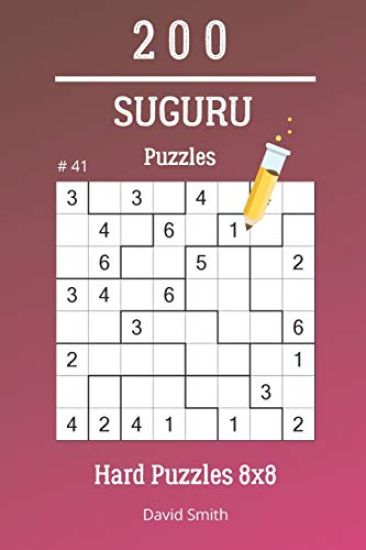
Suguru, also known as Tectonics or Number Blocks, is a Japanese puzzle invented by Naoki Inaba. The goal is to fill a given rectangular grid with numbers, so that every designated area contains a sequence of non-repeating, consecutive numbers, starting from 1 and going up. Also, adjacent (touching) cells should not contain the same number, even diagonally.
Numbricks puzzles are similar to Hidato. The most important difference is that it is only possible to move 1 node left, right, up, or down. It is played on a rectangular grid of squares. Some of the cells have numbers in them. The object is to fill in the missing numbers, in sequential order, going horizontally and vertically only. Diagonal paths are not allowed.
Suguru, also known as Tectonics or Number Blocks, is a Japanese puzzle invented by Naoki Inaba. The goal is to fill a given rectangular grid with numbers, so that every designated area contains a sequence of non-repeating, consecutive numbers, starting from 1 and going up. Also, adjacent (touching) cells should not contain the same number, even diagonally.