Kirjojen hintavertailu. Mukana 12 592 950 kirjaa ja 12 kauppaa.

Kirjailija

David Sugden

Kirjat ja teokset yhdessä paikassa: 6 kirjaa, julkaisuja vuosilta 2005-2019, suosituimpien joukossa Typical and Atypical Motor Development. Vertaile teosten hintoja ja tarkista saatavuus suomalaisista kirjakaupoista.

6 kirjaa

Kirjojen julkaisuhaarukka 2005-2019.

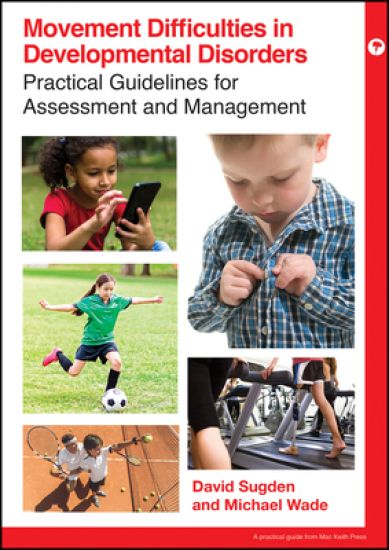
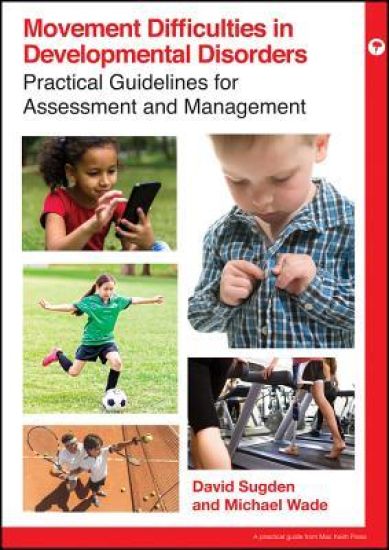
Movement Difficulties in Developmental Disorders

Movement Difficulties in Developmental Disorders

David Sugden; Michael G Wade

Mac Keith Press
2019
nidottu
This book presents the latest evidence-based approaches to assessing and managing movement disorders in children. Uniquely, the authors have chosen to examine not just children with developmental coordination disorder, but also children with movement difficulties as a co-occurring secondary characteristic of another development disorder, including Attention Deficit/Hyperactivity Disorder, Autism Spectrum Disorder, Specific language Impairment and Dyslexia. Guidelines are underpinned by motor learning theory, empiricism and professional practice. The authors have taken an ecological approach to management and show how professionals and carers working together can make relatively simple changes in a child's life that aggregate to substantial support. The book is rich in case studies to demonstrate the adaptability of these guidelines and show how they may be applied to children of different ages, abilities, and environments. The final chapter is comprised of interviews of thirteen notable clinicians and academics with intervention methodologies from around the world. This book is a valuable guide for anybody working with children with movement difficulties, including clinicians, teachers and parents.
Movement Difficulties and Developmental Disorders

Movement Difficulties and Developmental Disorders

David Sugden; Michael Wade

Wiley-Blackwell
2019
nidottu
This book presents the latest evidence-based approaches to assessing and managing movement disorders in children. Uniquely, the authors have chosen to examine not just children with developmental coordination disorder, but also children with movement difficulties as a co-occurring secondary characteristic of another development disorder, including Attention Deficit/Hyperactivity Disorder, Autism Spectrum Disorder, Specific language Impairment and Dyslexia.Guidelines are underpinned by motor learning theory, empiricism and professional practice. The authors have taken an ecological approach to management and show how professionals and carers working together can make relatively simple changes in a child's life that aggregate to substantial support. The book is rich in case studies to demonstrate the adaptability of these guidelines and show how they may be applied to children of different ages, abilities, and environments. The final chapter is comprised of interviews of thirteen notable clinicians and academics with intervention methodologies from around the world.This book will prove a valuable guide for anybody working with children with movement difficulties, including clinicians, teachers and parents.
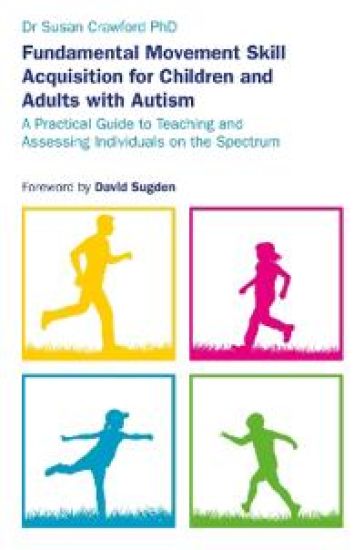
Fundamental Movement Skill Acquisition for Children and Adults with Autism

Fundamental Movement Skill Acquisition for Children and Adults with Autism

Susan Crawford; David Sugden

Jessica Kingsley Publishers
2018
pokkari
This innovative manual sets out advice on fundamental movement skill acquisition (FMS) and its benefits for improving physical, verbal and social skills for people with Autistic Spectrum Disorder (ASD). Improving FMS can help prevent long term health issues, and increase opportunities for social engagement and independence.The book explores the basic skills of movement (running, catching, throwing, and balance) and how to observe, teach and assess FMS in children and adults with ASD. There are sections on how to develop and implement a programme for individuals to guide their personal development, and information on planning and tools for assessment are included. A much needed guide on how to combat impairment of FMS, the book also highlights the numerous benefits of such an approach in relation to behaviour, lifestyle, health and education.
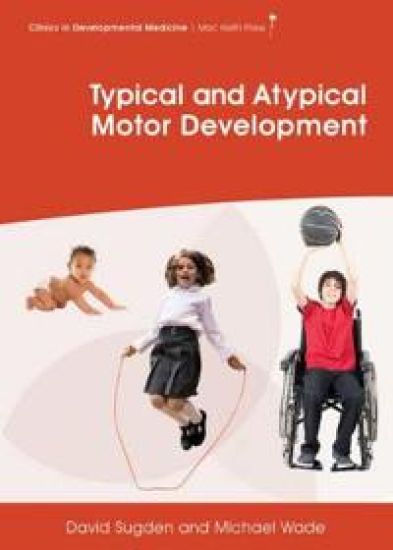
Typical and Atypical Motor Development

Typical and Atypical Motor Development

David Sugden; Michael Wade

Mac Keith Press
2013
sidottu
Sugden and Wade, leading authors in this area, comprehensively cover motor development and motor impairment, drawing on sources in medicine and health-related studies, motor learning and developmental psychology. A theme that runs through the book is that movement outcomes are a complex transaction of child resources, the context in which movement takes place, and the manner in which tasks are presented. The core themes of the book involve descriptions of motor development from conception through to emerging adulthood, explanations of motor development from differing theoretical, empirical, and experiential perspectives, and descriptions and explanations of atypical motor development when the resources of the child are limited in some way. Readership: Occupational therapists, physiotherapists, paediatricians, teachers (physical education, early childhood development, elementary education), educational psychologists, kinesiology and sports scientists.
Early Years Movement Skills

Early Years Movement Skills

Mary Chambers; David Sugden

JOHN WILEY SONS INC
2006
nidottu
This is an evidence-based manual of diagnosis and interventions for helping children between three and six years old who lack a complete range of fundamental movement skills. The book outlines the difficulties young children have with movement, especially developmental co-ordination disorder (DCD) and explains their assessment, using especially the early years motor skills checklist (EYMSC), a unique instrument aimed especially at children three to six years old. The management of the condition is then discussed, giving particular attention to the Special Education Needs Code of Practice. Finally the book explores the notion of a developmental coach, suggesting that parents and carers are the most appropriate individuals to fill this role. Contains photocopiable Early Years Movement Skills (EYMSC) checklistBased on the authors’ extensive experience in this field
Children with Developmental Coordination Disorder

Children with Developmental Coordination Disorder

David Sugden; Mary Chambers

Whurr Publishers Ltd
2005
nidottu
The term Developmental Coordination Disorder (DCD) is used to describe a group of children who have difficulty. with tasks involving movement such that it interferes with their daily living or academic progress. As with other developmental disorders such as autistic spectrum disorder, attention deficit disorder and dyslexia, DCD is now a prominent concern of both researchers and practitioners. This text is aimed at both researchers and professionals who work in a practical manner with the condition and includes professionals in health, occupational therapists, physiotherapists, health visitors, paediatricians, and - in the educational field - teachers and others who are in daily contact with the children - their parents. The essence of the text is that work with children should be guided by research evidence driving the clinical practice which in turn raisies more questions for research. The authors in this text have both experience in research and are engaged in the day-to-day clinical work with children and bring both of these to bear in the chapters they have written.