

Kirjailija
David Watkins
Kirjat ja teokset yhdessä paikassa: 29 kirjaa, julkaisuja vuosilta 1996-2024, suosituimpien joukossa The Chinese Learner – Cultural, Psychological, and Contextual Influences. Vertaile teosten hintoja ja tarkista saatavuus suomalaisista kirjakaupoista.
29 kirjaa
Kirjojen julkaisuhaarukka 1996-2024.
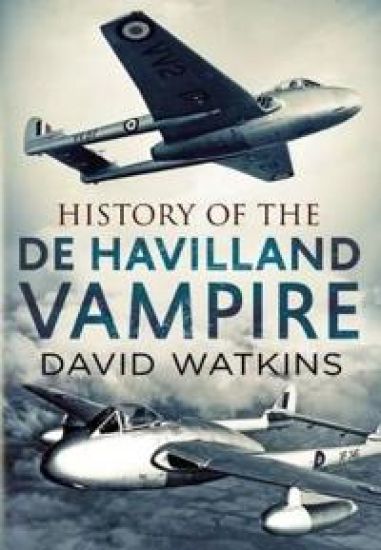
The definitive book on an iconic aircraft. Illustrated throughout with a varied and interesting selection of images, many previously unpublished. An early jet aircraft that collected many notable firsts including the first jet fighter to cross the Atlantic and the first jet to land on an aircraft carrier. Comprehensive appendices covering serial allocations, production, export details and preserved airframes. The de Havilland Vampire was the second of the RAF's first-generation, post-Second World War jet fighters to enter service. It began life as an interceptor but was soon re-tasked in the day fighter/ground attack roles with the 2nd Tactical Air Force in Germany from 1948 to 1954 and with the RAF's Middle and Far East Air Forces. Throughout its forty-six-year career, it collected many notable firsts: it was the first jet fighter to cross the Atlantic; the first jet to land on an aircraft carrier; and the first jet trainer on which student pilots qualified for their 'Wings'. In addition to playing a full part in the RAF's order of battle during the 1940s and 1950s, the Vampire also served with the Fleet Air Arm and became an export success story for the British aircraft industry with hundreds sold to air forces worldwide. For a brief period during the 1950s, the Vampire formed the backbone of the RAF's night-fighter force and between 1952 and 1967 the Vampire trainer was responsible for a steady flow of trained pilots for the RAF, Royal Navy and foreign air forces. This comprehensive history covers the Vampire's development and operational service. It has been written with the full co-operation of the manufacturer, MoD, RAF and other world air forces, mixing narrative and technical detail with vivid personal accounts from those involved with the aircraft. Comprehensive appendices include technical specifications, production details, serials and export details. It is also lavishly illustrated and includes more than one story of encounters with UFOs by RAF Vampire pilots.


History of Raf Aerobatic Teams from 1920: Smoke On... Go!
David Watkins
Pen Sword Aviation
2011
sidottu
The Royal Air Force has long recognised the value of display flying for pilot training, prestige and recruiting purposes, and the standard of its formation aerobatic teams has always stood favourable comparison with those of air forces of other nations.Aerobatics have always played a prominent part in RAF training. They are not performed merely to provide a spectacle for the public but are an essential step in the making of a pilot, giving him confidence in himself and his aircraft. Formation aerobatics give him the added factor of confidence in his leader and other members of the team.This history of RAF aerobatic teams is the result of many years of painstaking and meticulous research from its early beginnings with five Sop with Snipes at the Hendon Pageant in 1920 to the present day 'Red Arrows'.The book also contains an introduction which details the gradual development from experimental and 'stunt' flying of the early aviators, through the aerial artistry of using smoke to highlight manoeuvres and tied-together formation aerobatics, to the introduction of jet teams after the war. Also included in the book is a detailed index listing each team and its members from 1920 and it will undoubtedly provide an essential reference work on Royal Air Force formation aerobatic teams for aviation historians and enthusiasts.


Venom: De Havilland Venom and Sea Venom
David Watkins; Brian Mercer
The History Press Ltd
2009
nidottu
While it is true to say that the Venom carried out more operational ground attack sorties than any other RAF aircraft since the Second World War, its history has hitherto been sadly neglected or misreported. With the co-operation and assistance of many former Service and civilian pilots, the record can finally be set straight in what is the definitive history of this ground-attack, all weather and naval strike fighter.David Watkins discusses the problems of the trials and development programme and takes a detailed look at the aircraft's operational service with the air arms of Australia, France, Sweden, Switzerland, Iraq and Venezuela. Of particular interest is new information relating to the Sea Venom's career with the Fleet Air Arm and the catastrophic wing failures and engine fires that plagued the early Second Tactical Air Force Venoms. It also contains a comprehensive account of Venom sorties during the Suez campaign, the 'Firedog' operations in Malaya and the protracted anti-terrorist offensive in Aden and Oman. These accounts throw new light on the conflicts and have been compiled from interviews, private papers and personal accounts. Accompanying the text is a wealth of photographs, line drawings and maps, a number of which are from private collections and are previously unpublished.

Is it possible to conduct a concise survey on the immense subject that is English architecture? David Watkin proves that it is: from Saxon times to the present day, Watkin directs the reader on a rich and enlightening journey that outlines the whole story, focusing on buildings that can still be seen today. The emphasis of this admirable and highly readable study is on the most exciting and ground-breaking periods and styles of English architectural genius.


The Chinese Learner – Cultural, Psychological, and Contextual Influences
David Watkins; John Biggs
Comparative Education Research Centre
1996
nidottu
Paints a clear, research-based picture of how Chinese students and their teachers see the context of their learning both in Hong Kong and abroad. The focus of much of this research is the question, "How can Chinese learners be so successful academically?".