Kirjojen hintavertailu. Mukana 12 390 323 kirjaa ja 12 kauppaa.

Kirjailija

David Womersley

Kirjat ja teokset yhdessä paikassa: 5 kirjaa, julkaisuja vuosilta 2002-2025, suosituimpien joukossa Complete Essays: Volume 2. Vertaile teosten hintoja ja tarkista saatavuus suomalaisista kirjakaupoista.

5 kirjaa

Kirjojen julkaisuhaarukka 2002-2025.

Complete Essays: Volume 2

Complete Essays: Volume 2

David Hume; David Womersley

PENGUIN BOOKS LTD
2025
sidottu
David Hume reshaped, redirected, and re-energised the English essay. His sceptical, rational, self-questioning persona created what amounted to a new intellectual arena, in which it was possible to think afresh about the world and the self. When he famously wrote that ‘the life of man is of no greater importance to the universe than that of an oyster’, something had changed.David Womersley has spent a lifetime studying the literature of the eighteenth century. This definitive new two-volume edition of the essays follows Hume’s division of his essays into two parts, and allows the modern reader to enjoy this extraordinary writer in all his moods, from benign optimism to gloomy foreboding. The editorial apparatus supplies indispensable intellectual and bibliographical context for these rewarding, humane, and yet also subtly provocative writings.Volume 1 is published simultaneously.
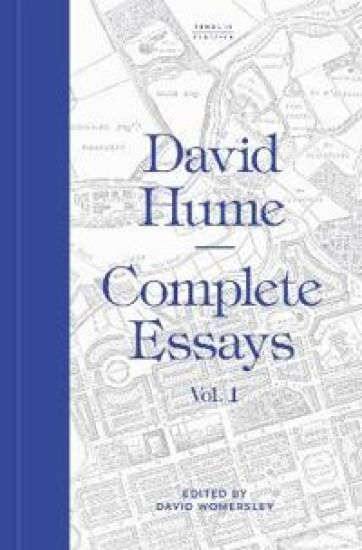
Complete Essays: Volume 1

Complete Essays: Volume 1

David Hume; David Womersley

PENGUIN BOOKS LTD
2025
sidottu
David Hume reshaped, redirected, and re-energised the English essay. His sceptical, rational, self-questioning persona created what amounted to a new intellectual arena, in which it was possible to think afresh about the world and the self. When he famously wrote that ‘the life of man is of no greater importance to the universe than that of an oyster’, something had changed.David Womersley has spent a lifetime studying the literature of the eighteenth century. This definitive new two-volume edition of the essays follows Hume’s division of his essays into two parts, and allows the modern reader to enjoy this extraordinary writer in all his moods, from benign optimism to gloomy foreboding. The editorial apparatus supplies indispensable intellectual and bibliographical context for these rewarding, humane, and yet also subtly provocative writings.Volume 2 is published simultaneously.
Divinity and State

Divinity and State

David Womersley

Oxford University Press
2010
sidottu
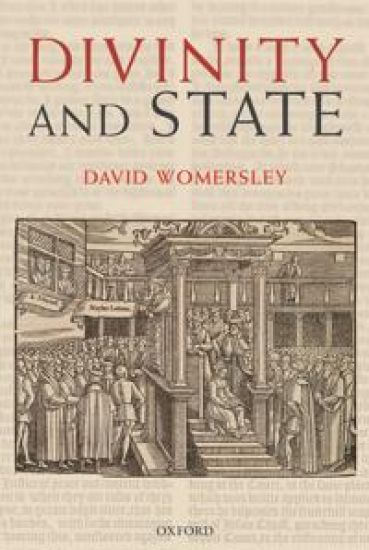
In 1589 the Privy Council encouraged the Archbishop of Canterbury to take steps to control the theatres, which had offended authority by putting on plays which addressed 'certen matters of Divinytie and of State unfitt to be suffred'. How had questions of divinity and state become entangled? The Reformation had invested the English Crown with supremacy over the Church, and religious belief had thus been transformed into a political statement. In the plentiful chronicle literature of the sixteenth-century, questions of monarchical legitimacy and religious orthodoxy became intertwined as a consequence of that demand for a usable national past created by the high political developments of the 1530s. Divinity and State explores the consequences of these events in the English historiography and historical drama of the sixteenth century. It is divided into four parts. In the first, the impact of reformed religion on narratives of the national past is measured and described. Part II examines how the entanglement of the national past and reformed religion was reflected in historical drama from Bale to the early years of James I, and focuses on two paradigmatic characters: the sanctified monarch and the martyred subject. Part III considers Shakespeare's history plays in the light of the preceding discussion, and finds that Shakespeare's career as a historical dramatist shows him eventually re-shaping the history play with great audacity. Part IV corroborates this reading of Shakespeare's later history plays by reference to the dramatic ripostes they provoked.
Gibbon and the 'Watchmen of the Holy City'

Gibbon and the 'Watchmen of the Holy City'

David Womersley

Clarendon Press
2002
sidottu
Gibbon was unabashed in acknowledging that his career as an historian was fuelled by a desire for fame, and the success of The Decline and Fall indeed furnished him with 'a name, a rank, a character, in the World' to which he would not otherwise have been entitled. Eventually this public reputation was pleasing to him, and nourished his innocent vanity. Initially, however, it was a reputation he resented, and was determined to resist. In particular, the denunciation by the spokesmen for religious orthodoxy of Gibbon's treatment of Christianity was (so Gibbon contended) a vicious misrepresentation. The subject of this book is the story of the conflict between Gibbon and those he mockingly dubbed the 'Watchmen of the Holy City', and it explores the ramifications of an elusive aspect of authorship. By considering the sequence of interactions between the historian and his readership, Womersley makes possible a more intimate understanding of what might be called Gibbon's experience of himself. At the same time he deepens our knowledge of the conditions of English authorship during the later decades of the eighteenth and the early decades of the nineteenth centuries, from the opening of the war with the American colonies, down to the successful conclusion of the wars with revolutionary and Napoleonic France.