Kirjojen hintavertailu. Mukana 12 390 323 kirjaa ja 12 kauppaa.

Kirjailija

Dawn Hadley

Kirjat ja teokset yhdessä paikassa: 4 kirjaa, julkaisuja vuosilta 2001-2022, suosituimpien joukossa Consuming Passions. Vertaile teosten hintoja ja tarkista saatavuus suomalaisista kirjakaupoista.

4 kirjaa

Kirjojen julkaisuhaarukka 2001-2022.

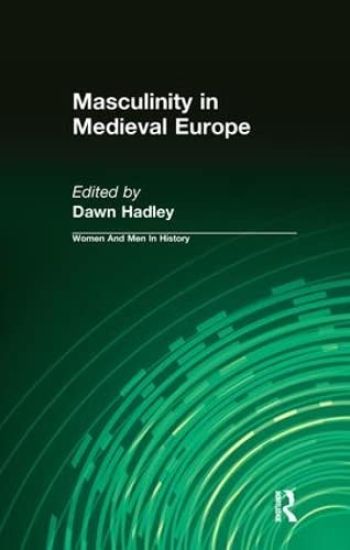
Masculinity in Medieval Europe

Masculinity in Medieval Europe

Dawn Hadley

Routledge
2016
sidottu
An original and highly accessible collection of essays which is based on a huge range of historical sources to reveal the realities of mens' lives in the Middle Ages. It covers an impressive geographical range - including essays on Italy, France, Germany and Byzantium - and will span the entire medieval period, from the fourth to the fifteenth century. The collection is divided into four main sections: attaining masculinity; lay men and churchmen: sources of tension; sexuality and the construction of masculinity; and written relationships and social reality. The contributors are: Dawn Hadley, Jenny Moore, William M. Aird, Jeremy Goldberg, Matthew Bennet, Janet Nelson, Conrad Leyser, Robert Swanson, Patricia Cullum, Ross Balzaretti, Shaun Tougher, Julian Haseldine, Marianne Ailes and Mark Chinca.
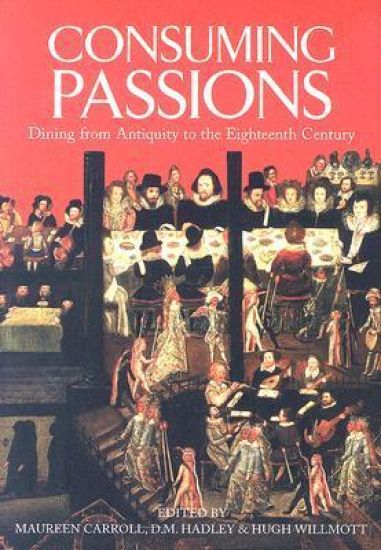
Consuming Passions

Consuming Passions

Maureen Carroll; Dawn Hadley; Hugh Willmott

The History Press Ltd
2005
nidottu
This multidisciplinary book explores the social practice of dining over 2000 years, examining the archaeological, documentary, material culture and art historical evidence for the consumption of food and drink in various historical, social and cultural contexts.
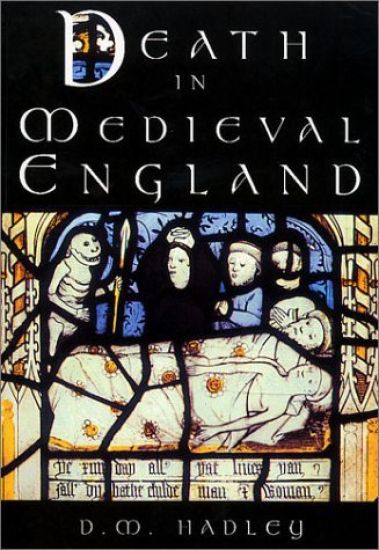
Death in Medieval Engand

Death in Medieval Engand

Dawn Hadley

NPI Media Group
2001
nidottu
Drawing on a cross-section of evidence--excavated cemeteries, sculpture and funerary monuments, documentary sources, and iconography--and using a series of regional case studies, this book explores the changing attitudes to death and the commemoration of the dead during the medieval period. The book addresses a number of themes, including the changing location of burial, the evidence for burial rite and funerals, the great wealth of funerary monuments and other forms of ecclesiastical patronage, the nature of the funerary industry, and the relationship of the dead to the living community.