Kirjojen hintavertailu. Mukana 12 088 392 kirjaa ja 12 kauppaa.

Kirjailija

Dean Goodman

Kirjat ja teokset yhdessä paikassa: 3 kirjaa, julkaisuja vuosilta 2013-2016, suosituimpien joukossa GPR Remote Sensing in Archaeology. Vertaile teosten hintoja ja tarkista saatavuus suomalaisista kirjakaupoista.

3 kirjaa

Kirjojen julkaisuhaarukka 2013-2016.

GPR Remote Sensing in Archaeology

GPR Remote Sensing in Archaeology

Dean Goodman; Salvatore Piro

Springer-Verlag Berlin and Heidelberg GmbH Co. K
2016
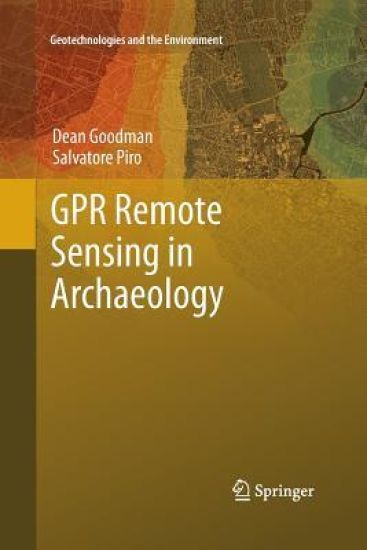
nidottu
GPR Remote Sensing in Archaeology provides a complete description of the processes needed to take raw GPR data all the way to the construction of subsurface images. The book provides an introduction to the “theory” of GPR by using a simulator that shows how radar profiles across simple model structures look and provides many examples so that the complexity of radar signatures can be understood. It continues with a review of the necessary radargram signal processes needed along with examples. The most comprehensive methodology to construct subsurface images from either coarsely spaced data using interpolation or from dense data from multi-channel equipment and 3D volume generation is presented, advanced imaging solutions such as overlay analysis are introduced, and numerous worldwide site case histories are shown. The authors present their studies in a way that most technical and non-technical users of the equipment will find essentials for implementing in their own subsurface investigations.

GPR Remote Sensing in Archaeology

GPR Remote Sensing in Archaeology

Dean Goodman; Salvatore Piro

Springer-Verlag Berlin and Heidelberg GmbH Co. K
2013
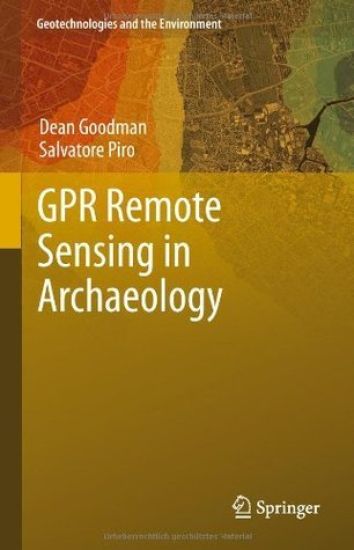
sidottu
GPR Remote Sensing in Archaeology provides a complete description of the processes needed to take raw GPR data all the way to the construction of subsurface images. The book provides an introduction to the “theory” of GPR by using a simulator that shows how radar profiles across simple model structures look and provides many examples so that the complexity of radar signatures can be understood. It continues with a review of the necessary radargram signal processes needed along with examples. The most comprehensive methodology to construct subsurface images from either coarsely spaced data using interpolation or from dense data from multi-channel equipment and 3D volume generation is presented, advanced imaging solutions such as overlay analysis are introduced, and numerous worldwide site case histories are shown. The authors present their studies in a way that most technical and non-technical users of the equipment will find essentials for implementing in their own subsurface investigations.