
Kirjailija
Deborah J. Haynes
Kirjat ja teokset yhdessä paikassa: 7 kirjaa, julkaisuja vuosilta 1995-2018, suosituimpien joukossa Spirituality and Growth on the Leadership Path. Vertaile teosten hintoja ja tarkista saatavuus suomalaisista kirjakaupoista.
Mukana myös kirjoitusasut: Deborah J Haynes
7 kirjaa
Kirjojen julkaisuhaarukka 1995-2018.
What does it mean to become and work as an artist today? What unique challenges do artists face in the twenty-first century, and what skills are required to overcome them? How might art become an expression of spiritual life? In addressing these and other questions, Deborah J. Haynes offers reflections that range from the practical to the deeply philosophical. She explores challenging ideas: impermanence, suffering, and the inevitability of death; the virtues of generosity, kindness, and compassion; and more abstract concepts such as negative capability, groundlessness, and wisdom. Individual chapters are framed by personal stories and images from the artist's work. Beginning Again: Reflections on Art as Spiritual Practice is a personal statement, born from the author's experience as an artist, writer, teacher, and Buddhist practitioner. Haynes writes for artists--and for all exploring the relationship of their creativity to the inner life. For Haynes, making and looking at art can be a form of meditation and prayer, a space for solitude, silence, and living in the present. ""Deborah Haynes is an exemplary person with immense inquisitiveness and a depth of critical intelligence to apply her spiritual path to all aspects of her life. This book is a byproduct of her own journey and the realizations that she has gathered over a long period of time. I hope it brings deep insight into readers' own lives as to how creativity and the life that we live can come together in perfect harmony and synchronicity."" --Dzigar Kongtrul Rinpoche, author of Training in Tenderness: Buddhist Teachings on Tsewa, the Radical Openness of Heart That Can Change the World (2018) ""Beginning Again is a beguiling guidebook to artistic practice that is grounded both spiritually and intellectually. What does it mean to be an artist? How can making art change the world? As Deborah Haynes shows us, these questions reveal their own answers. By cultivating with creative awareness mindfulness, kindness, and compassion toward all beings, we can live our art practice."" --Jacquelynn Baas, Director Emeritus, University of California Berkeley Art Museum and Pacific Film Archive, author of Smile of the Buddha: Eastern Philosophy and Western Art from Monet to Today (2005) ""We all have moments when we step outside our habitual reality to glimpse the magnificence of the world around us. How do we express the depth and freshness of these ineffable experiences in our longing to communicate them to others? In Beginning Again, Deborah Haynes shares with us her journey into this very question. A thoughtful, reflective, integrated journey into art and spirituality."" --Elizabeth Mattis Namgyel, Buddhist teacher and author of The Logic of Faith (2018) Deborah J. Haynes is Professor Emerita of Art and Art History at the University of Colorado Boulder. She is both a writer and artist. Her books include Art Lessons (2003), Book of This Place (2009), Spirituality and Growth on the Leadership Path (2012), and Bakhtin Reframed (2013). Her website is www.DeborahJHaynes.com.

Bakhtin and the Visual Arts assesses the relevance of Mikhail Bakhtin's ideas as they relate to painting and sculpture. First published in the 1960s, Bakhtin's writings introduced the concepts of carnival and dialogue or dialogism, which have had significant impact in such diverse fields as literature and literary theory, philosophy, theology, biology and psychology. In his four early aesthetic essays, written between 1919 and 1926, and before he began to focus on linguistic and literary categories, Bakhtin worked on a larger philosophy of creativity, which was never completed. Deborah Haynes's in-depth 1995 study of his aesthetics, especially his theory of creativity, analyses its applicability to contemporary art theory and criticism. The author argues that Bakhtin, with such categories as answerability, outsideness and unfinalizability, offers a conceptual basis for interpreting the moral dimensions of creative activity.
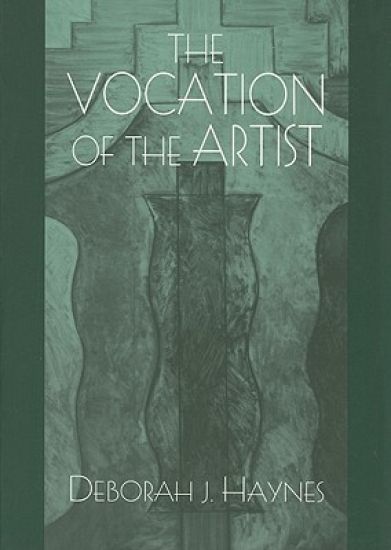
The Vocation of the Artist examines the historical role of the artist and presents a particular perspective, grounded in the author's experience as a practising artist and scholar, on the contemporary function of the artist as prophetic critic and visionary. Using specific interpretations of the words 'vocation', 'prophetic', and 'visionary', Deborah Haynes draws attention to the need for artists to assess critically the relationship of the past and present to the future. Bringing together a wide range of historical and theoretical sources in cultural history, art history and theory, and religion, this book is addressed to those interested in the complex interdisciplinary dialogue of the visual arts, religion, and ethics.
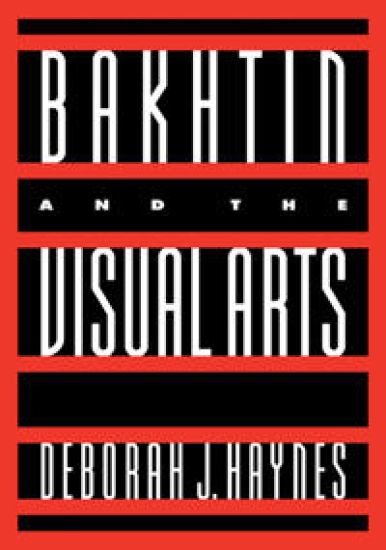
Bakhtin and the Visual Arts is the first book to assess the relevance of Mikhail Bakhtin’s ideas as they relate to painting and sculpture. First published in the 1960s, Bakhtin’s writings introduced the concepts of carnival and dialogue or dialogism, which have had significant impact in such diverse fields as literature and literary theory, philosophy, theology, biology, and psychology. In his four early aesthetic essays, written between 1919 and 1926, and before he began to focus on linguistic and literary categories, Bakhtin worked on a larger philosophy of creativity, which was never completed. Deborah Haynes’s in-depth study of his aesthetics, especially his theory of creativity, analyses its applicability to contemporary art theory and criticism. The author argues that Bakhtin, with such categories as answerability, outsideness and unfinalisability, offers a conceptual basis for interpreting the moral dimensions of creative activity.