Kirjojen hintavertailu. Mukana 12 390 323 kirjaa ja 12 kauppaa.

Kirjailija

Deborah McPhail

Kirjat ja teokset yhdessä paikassa: 4 kirjaa, julkaisuja vuosilta 2014-2017, suosituimpien joukossa Contours of the Nation. Vertaile teosten hintoja ja tarkista saatavuus suomalaisista kirjakaupoista.

4 kirjaa

Kirjojen julkaisuhaarukka 2014-2017.

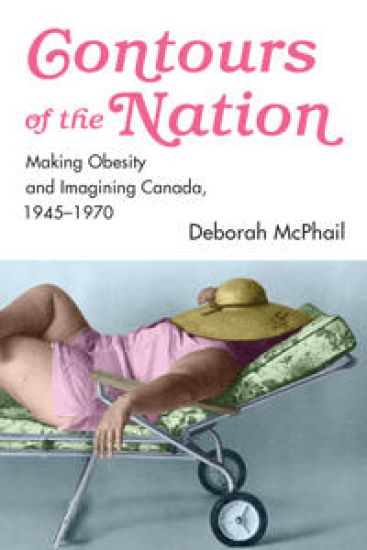
Contours of the Nation

Contours of the Nation

Deborah McPhail

University of Toronto Press
2017
pokkari
The obesity epidemic that is said to plague nations around the world, including Canada, is not solely a medical condition to be managed. In Canada, the discourse on obesity emerged during a time of social upheaval in the postwar period. Contours of the Nation is the first book which historically explores obesity in Canada from a critical perspective. Deborah McPhail demonstrates how obesity as a problem was affixed to particular populations in order to separate true Canadians from others. She reveals how the articulation of obesity contributed to the Canadian colonial project in the North; where Indigenous peoples were viewed as modern Canadians due to their obesity, thereby negating any special claims to northern lands. Contours of the Nation successfully demonstrates how histories can trace the actual materialization of bodies through relations of power, particularly those pertaining to race, gender, and nation.
Contours of the Nation

Contours of the Nation

Deborah McPhail

University of Toronto Press
2017
sidottu
The obesity epidemic that is said to plague nations around the world, including Canada, is not solely a medical condition to be managed. In Canada, the discourse on obesity emerged during a time of social upheaval in the postwar period. Contours of the Nation is the first book which historically explores obesity in Canada from a critical perspective. Deborah McPhail demonstrates how obesity as a problem was affixed to particular populations in order to separate true Canadians from others. She reveals how the articulation of obesity contributed to the Canadian colonial project in the North; where Indigenous peoples were viewed as modern Canadians due to their obesity, thereby negating any special claims to northern lands. Contours of the Nation successfully demonstrates how histories can trace the actual materialization of bodies through relations of power, particularly those pertaining to race, gender, and nation.

Acquired Tastes

Acquired Tastes

Brenda L. Beagan; Gwen E. Chapman; Josée Johnston; Deborah McPhail; Elaine M. Power; Helen Vallianatos

University of British Columbia Press
2015
pokkari
Magazine articles, news items, and self-improvement books tell us that our daily food choices – whether we opt for steak or vegetarian, a TV dinner or a sit-down meal – serve as bold statements about who we are as individuals. Acquired Tastes makes the case that our food habits say more about where we come from and who we would like to be.This intimate portrait of eating habits and attitudes towards food in over one hundred Canadian families in both rural and urban settings reveals that our food choices never solely reflect personal tastes. Age, gender, social class, ethnicity, health concerns, food availability, and political and moral concerns shape the meanings that families attach to food and their self-identities. They also influence how its members respond to social discourses on health, beauty, and the environment, a finding that has profound implications for public health campaigns.
Acquired Tastes

Acquired Tastes

Brenda L. Beagan; Gwen E. Chapman; Josée Johnston; Deborah McPhail; Elaine M. Power; Helen Vallianatos

University of British Columbia Press
2014
sidottu
Magazine articles, news items, and self-improvement books tell us that our daily food choices – whether we opt for steak or vegetarian, a TV dinner or a sit-down meal – serve as bold statements about who we are as individuals. Acquired Tastes makes the case that our food habits say more about where we come from and who we would like to be.This intimate portrait of eating habits and attitudes towards food in over one hundred Canadian families in both rural and urban settings reveals that our food choices never solely reflect personal tastes. Age, gender, social class, ethnicity, health concerns, food availability, and political and moral concerns shape the meanings that families attach to food and their self-identities. They also influence how its members respond to social discourses on health, beauty, and the environment, a finding that has profound implications for public health campaigns.