Kirjojen hintavertailu. Mukana 12 152 606 kirjaa ja 12 kauppaa.

Kirjailija

Debra McGregor

Kirjat ja teokset yhdessä paikassa: 8 kirjaa, julkaisuja vuosilta 2010-2025, suosituimpien joukossa Practice and Perspectives. Vertaile teosten hintoja ja tarkista saatavuus suomalaisista kirjakaupoista.

8 kirjaa

Kirjojen julkaisuhaarukka 2010-2025.

Theories of Learning

Theories of Learning

Debra McGregor

SAGE Publications Ltd
2025
sidottu
To be a successful teacher, or student of education, it is crucial to acknowledge the learning process. This book explains major learning theories, how they have developed, what beliefs and evidence they have been based upon and what they mean for teachers' practice. Key areas considered include: How different theories, including behaviourism, constructivism, cognitivism and social culturalism, offer alternate perspectives about learning;Detailed case studies, in a range of school contexts, show how theoretical considerations play out in real situations;How a deeper understanding of learning theory can enhance your professional teacher knowledge and practice. The book also includes a range of practical tasks and questions for consideration to encourage deeper reflection about teaching and learning processes. This is essential reading for anyone training to teach in primary and secondary education, Education Studies students, and teachers seeking to refresh their knowledge and understanding of different perspectives of learning. Debra McGregor is Professor in Education at Oxford Brookes University.
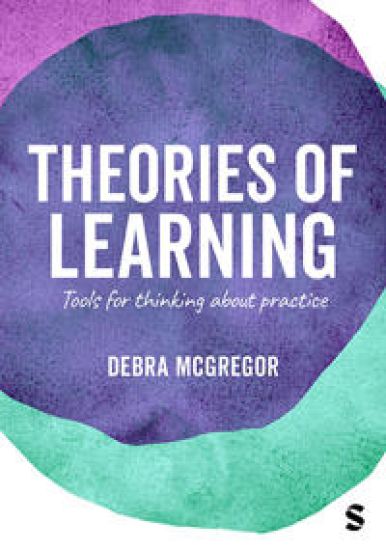
Theories of Learning

Theories of Learning

Debra McGregor

SAGE Publications Ltd
2025
nidottu
To be a successful teacher, or student of education, it is crucial to acknowledge the learning process. This book explains major learning theories, how they have developed, what beliefs and evidence they have been based upon and what they mean for teachers' practice. Key areas considered include: How different theories, including behaviourism, constructivism, cognitivism and social culturalism, offer alternate perspectives about learning;Detailed case studies, in a range of school contexts, show how theoretical considerations play out in real situations;How a deeper understanding of learning theory can enhance your professional teacher knowledge and practice. The book also includes a range of practical tasks and questions for consideration to encourage deeper reflection about teaching and learning processes. This is essential reading for anyone training to teach in primary and secondary education, Education Studies students, and teachers seeking to refresh their knowledge and understanding of different perspectives of learning. Debra McGregor is Professor in Education at Oxford Brookes University.

What Works in School Leadership?

What Works in School Leadership?

Linet Arthur; Debra McGregor

TAYLOR FRANCIS LTD
2024
sidottu
The key purpose of school leadership is to improve learning. What Works in School Leadership? examines research evidence and leadership models that focus on learning and provides resources that will help readers to understand their school’s culture and develop strategies to change and improve their schools. It introduces and explains contemporary research, leadership theories and real-world examples to identify what works (and doesn’t work) in school leadership.Recognising that leadership occurs at all levels in schools, this book addresses factors that underpin successful distributed, middle and team leadership. Chapters identify how leaders can effectively recruit, retain and motivate their staff, as well as the ways in which professional development can be supported. Key aspects of inclusive leadership that address diversity and equity are also considered in depth.Each school is unique and there is no magic formula that will guarantee instant results in every school; with this in mind, What Works in School Leadership? provides readers with a range of research evidence and resources to enable them to select strategies that will create a positive learning environment for staff and pupils at their own school.This is essential reading for school leaders, those aspiring to leadership and anyone studying or researching school leadership.
What Works in School Leadership?

What Works in School Leadership?

Linet Arthur; Debra McGregor

TAYLOR FRANCIS LTD
2024
nidottu
The key purpose of school leadership is to improve learning. What Works in School Leadership? examines research evidence and leadership models that focus on learning and provides resources that will help readers to understand their school’s culture and develop strategies to change and improve their schools. It introduces and explains contemporary research, leadership theories and real-world examples to identify what works (and doesn’t work) in school leadership.Recognising that leadership occurs at all levels in schools, this book addresses factors that underpin successful distributed, middle and team leadership. Chapters identify how leaders can effectively recruit, retain and motivate their staff, as well as the ways in which professional development can be supported. Key aspects of inclusive leadership that address diversity and equity are also considered in depth.Each school is unique and there is no magic formula that will guarantee instant results in every school; with this in mind, What Works in School Leadership? provides readers with a range of research evidence and resources to enable them to select strategies that will create a positive learning environment for staff and pupils at their own school.This is essential reading for school leaders, those aspiring to leadership and anyone studying or researching school leadership.
Dramatic Science

Dramatic Science

Debra McGregor; Wendy Precious

Routledge
2014
sidottu
Dramatic Science is an invaluable tool for any teachers and primary science leaders who have classes of 5 – 10 year olds. It provides the busy professional with a range of tried and tested techniques to use drama as a support and aid to the teaching of science to young children. The techniques within this book offer innovative and creative strategies for teaching a challenging area of the curriculum and broadening teachers’ own scientific knowledge and understanding.All the strategies in this book have been shown to work effectively in a range of primary schools. The approaches described offer an inclusive and participatory way to teach science and the authors provide a pedagogical commentary on the ways that teachers have tried the techniques and how they have worked best. Reflective discussion on the strategies will include discussion about how the children have responded to these strategies and how the drama experiences have impacted on their learning.This invaluable resource:- Supports working and thinking scientifically Develops critical and creative thinking Scaffolds creative learning Broadens teachers’ scientific knowledge and understanding Enhances children’s understanding of science Provides guidance on active and participatory learning Can engage children and teachers at a variety of levels Links science to real life Heightens children’s application of science to different situations Develops problem solving and enquiry skills Enhances and extends speaking and listening skills Any teachers wishing to hone their practice to motivate children and improve their science learning and attainment will find this an invaluable resource. It will also be useful for science leaders, specialist teachers and other professionals who are involved in supporting schools to improve the quality of learning in science and other subjects, trainee teachers and NQTs interested in developing creative learning in their classrooms.
Dramatic Science

Dramatic Science

Debra McGregor; Wendy Precious

Routledge
2014
nidottu
Dramatic Science is an invaluable tool for any teachers and primary science leaders who have classes of 5 – 10 year olds. It provides the busy professional with a range of tried and tested techniques to use drama as a support and aid to the teaching of science to young children. The techniques within this book offer innovative and creative strategies for teaching a challenging area of the curriculum and broadening teachers’ own scientific knowledge and understanding.All the strategies in this book have been shown to work effectively in a range of primary schools. The approaches described offer an inclusive and participatory way to teach science and the authors provide a pedagogical commentary on the ways that teachers have tried the techniques and how they have worked best. Reflective discussion on the strategies will include discussion about how the children have responded to these strategies and how the drama experiences have impacted on their learning.This invaluable resource:- Supports working and thinking scientifically Develops critical and creative thinking Scaffolds creative learning Broadens teachers’ scientific knowledge and understanding Enhances children’s understanding of science Provides guidance on active and participatory learning Can engage children and teachers at a variety of levels Links science to real life Heightens children’s application of science to different situations Develops problem solving and enquiry skills Enhances and extends speaking and listening skills Any teachers wishing to hone their practice to motivate children and improve their science learning and attainment will find this an invaluable resource. It will also be useful for science leaders, specialist teachers and other professionals who are involved in supporting schools to improve the quality of learning in science and other subjects, trainee teachers and NQTs interested in developing creative learning in their classrooms.
Developing Reflective Practice: A Guide for Beginning Teachers

Developing Reflective Practice: A Guide for Beginning Teachers

Debra McGregor; Lesley Cartwright

Open University Press
2011
nidottu
This student friendly practical guide helps you get to grips with reflective practice in teaching, through bite-sized sections that are informative and quickly digestible. The book clearly explains some of the best-known theories on reflective practice and then shows how reflection on and in practice can have a positive impact on classroom performance. The very real problems faced by beginning teachers are brought to life through the use of rich case studies as well as extracts drawn from the reflective journals of those starting their teaching career. The illustrative case studies consider how reflective practice can inform your teaching practice, including:Preparing for teachingFitting into your schoolDesigning lessonsManaging behaviour Planning for creativityAssessing effectively Developing essential teaching techniquesWorking effectively with your mentor Extending your professional practice at Master’s levelAn additional feature of the book is the inclusion of a number of new suggestions for developing reflective practice based on the authors’ experience of training new teachers and supporting beginning teachers. Through reflective tasks based on the real problems that beginning teachers face you can actively develop your understanding and confidence in this area.This book is essential reading for trainees and newly qualified teachers as well as those supporting new entrants to the profession. Contributors: Linda Devlin, Mary Dunne, Vanessa Dye, Mahmoud Emira, Angela Gault, Fay Glendenning, Gerald Griggs, Paul Gurton, Dot Heslop, Lesley Mycroft, Sarah Powell, Lorraine Thomas, Julia Wilde