Kirjojen hintavertailu. Mukana 12 293 411 kirjaa ja 12 kauppaa.

Kirjailija

Deepak Chhabra

Kirjat ja teokset yhdessä paikassa: 6 kirjaa, julkaisuja vuosilta 2010-2026, suosituimpien joukossa Rethinking Heritage Tourism. Vertaile teosten hintoja ja tarkista saatavuus suomalaisista kirjakaupoista.

6 kirjaa

Kirjojen julkaisuhaarukka 2010-2026.

Rethinking Heritage Tourism

Rethinking Heritage Tourism

Deepak Chhabra

EDWARD ELGAR PUBLISHING LTD
2026
sidottu
In this innovative book, Deepak Chhabra adopts an alternative approach to heritage tourism, demonstrating its potential to stimulate and sustain wellbeing and ecological resources. Through ethical and eudaimonic lenses, Chhabra proposes a new multi-dimensional model of authenticity. Synthesizing insights from diverse fields across social science and science chapters, Chhabra examines heritage tourism from both supply and demand viewpoints. The book advocates for a paradigm shift, emphasizing the importance of different levels of existentially authentic experiences. This book ultimately explores how heritage tourism experiences can evoke transcendence, inspiring altruism, morality and transformative sustainable outcomes. Rethinking Heritage Tourism is a thought-provoking read for scholars and students of heritage studies, tourism and related fields. It is also highly beneficial for practitioners at heritage institutions and destination organizations seeking to redefine the landscape of heritage tourism.
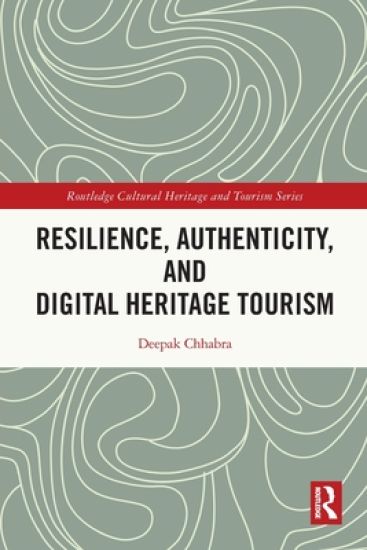
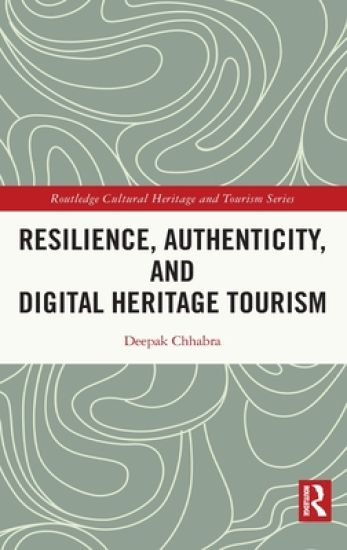
Resilience, Authenticity and Digital Heritage Tourism
This book examines the authentication of authenticity in heritage tourism by using a resilient smart systems approach. It discusses the emerging trends in cultural tourism and outlines, in a detailed manner, their significance in negotiating authenticity in tourism experience.Authentication of authenticity is an evolving, less-researched field of inquiry in heritage tourism. This book advances research on this subject by exploring different authentication processes and scrutinizes their resilience in building transformative heritage tourism pathways. It offers a kaleidoscopic view of the manner authenticity has evolved over the last several decades by observing a broad spectrum of cultural expressions. The evolution and meaningfulness of negotiated authenticity is identified and discussed in the context of pre-, intra- and post-pandemic times. This book focuses on the moral and existentialist trajectories or authenticity and the notion of self-authentication. It proposes a smart resilient authentication model to delicately negotiate the objective and self-dimensions of authenticity in transformative times. Furthermore, by sharing examples of best practices, it offers unique insights on how authenticity is authenticated and mediated via digital platforms and artificial intelligence.This book offers novel perspectives on negotiated authenticity and its authentication in heritage tourism and will appeal to both practitioners and students/scholars in Heritage studies; Design and Innovation; Tourism Studies; Geography and Planning across North America, Europe, and East-Asian countries.
Resilience, Authenticity and Digital Heritage Tourism
This book examines the authentication of authenticity in heritage tourism by using a resilient smart systems approach. It discusses the emerging trends in cultural tourism and outlines, in a detailed manner, their significance in negotiating authenticity in tourism experience.Authentication of authenticity is an evolving, less-researched field of inquiry in heritage tourism. This book advances research on this subject by exploring different authentication processes and scrutinizes their resilience in building transformative heritage tourism pathways. It offers a kaleidoscopic view of the manner authenticity has evolved over the last several decades by observing a broad spectrum of cultural expressions. The evolution and meaningfulness of negotiated authenticity is identified and discussed in the context of pre-, intra- and post-pandemic times. This book focuses on the moral and existentialist trajectories or authenticity and the notion of self-authentication. It proposes a smart resilient authentication model to delicately negotiate the objective and self-dimensions of authenticity in transformative times. Furthermore, by sharing examples of best practices, it offers unique insights on how authenticity is authenticated and mediated via digital platforms and artificial intelligence.This book offers novel perspectives on negotiated authenticity and its authentication in heritage tourism and will appeal to both practitioners and students/scholars in Heritage studies; Design and Innovation; Tourism Studies; Geography and Planning across North America, Europe, and East-Asian countries.
Sustainable Marketing of Cultural and Heritage Tourism
Cultural attractions play an important role in tourism at all levels, and attract huge numbers of tourists interested in heritage and the arts. Cultural Heritage Tourism has positive economic and social impacts but can also have negative impacts on communities and regions. This book draws together and links ideas of tourism from sustainable marketing perspectives and embeds it within a heritage management setting. Through a discussion and analysis of existing literature and practices this book aims to propose a marketing strategy framework grounded in sustainable principles that can be used to sustain and preserve the authenticity of cultural heritage for future generations, whilst appealing to the suppliers, the regulators, and the consumers. The book first explains the dynamics of cultural heritage with its authenticity underpinnings, marketing, and tourism, and proposes a strategic praxis drawn from core sustainable principles. This is followed by a pragmatic examination of the proposed framework from the shaper’s (provider’s) perspective. The material presented in this book is not merely an agglomeration of documented secondary research, but the theoretical concepts are grounded in empirical research and interactive discussions with students and the travel and tourism industry. A variety of heritage institutions across the globe are used as starting points to test the applicability of the proposed paradigm: these include museums, historic house museums, heritage hotels/resorts, festivals, and heritage merchandize.This is a timely offering to a growing and vibrant area of research; what is most pertinent is that it is a thorough and fresh take on the topic with primary research included. It will find a place in student materials for a variety of courses and it should be read by practicing academics and researchers.
Sustainable Marketing of Cultural and Heritage Tourism
Cultural attractions play an important role in tourism at all levels, and attract huge numbers of tourists interested in heritage and the arts. Cultural Heritage Tourism has positive economic and social impacts but can also have negative impacts on communities and regions. This book draws together and links ideas of tourism from sustainable marketing perspectives and embeds it within a heritage management setting. Through a discussion and analysis of existing literature and practices this book aims to propose a marketing strategy framework grounded in sustainable principles that can be used to sustain and preserve the authenticity of cultural heritage for future generations, whilst appealing to the suppliers, the regulators, and the consumers. The book first explains the dynamics of cultural heritage with its authenticity underpinnings, marketing, and tourism, and proposes a strategic praxis drawn from core sustainable principles. This is followed by a pragmatic examination of the proposed framework from the shaper’s (provider’s) perspective. The material presented in this book is not merely an agglomeration of documented secondary research, but the theoretical concepts are grounded in empirical research and interactive discussions with students and the travel and tourism industry. A variety of heritage institutions across the globe are used as starting points to test the applicability of the proposed paradigm: these include museums, historic house museums, heritage hotels/resorts, festivals, and heritage merchandize.This is a timely offering to a growing and vibrant area of research; what is most pertinent is that it is a thorough and fresh take on the topic with primary research included. It will find a place in student materials for a variety of courses and it should be read by practicing academics and researchers.