Kirjojen hintavertailu. Mukana 12 595 353 kirjaa ja 12 kauppaa.

Kirjailija

Denise Bates

Kirjat ja teokset yhdessä paikassa: 3 kirjaa, julkaisuja vuosilta 2012-2023, suosituimpien joukossa The Other Movement. Vertaile teosten hintoja ja tarkista saatavuus suomalaisista kirjakaupoista.

3 kirjaa

Kirjojen julkaisuhaarukka 2012-2023.

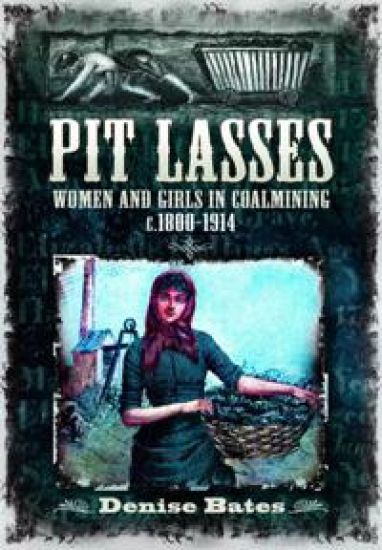
Pit Lasses

Pit Lasses

Denise Bates

PEN SWORD BOOKS LTD
2023
nidottu
Women have long been recognised as the backbone of coalmining communities, supporting their men. Less well known is the role which they played as the industry developed, working underground alongside their husband or father, moving the coal which he had cut. The year 2012 is significant as it is the 170th anniversary of the publication of the Report of the Commission into the Employment of Children and Young People in Coal Mines (May 1842). The report findings included the revelation that in some mines half-dressed women worked alongside naked men. The resulting outrage led to the banning of females working underground three months later. The Report of the Commission has been neglected as a source for many decades with the same few quotations regularly being used to illustrate the same headline points. And yet about 500 women and girls gave statements about what mining was like in 1841 and in earlier years in different parts of the country. In conjunction with the 1841 census it paints a comprehensive, though previously unexplored picture of the work of a female miner, how she lived when not at work, how she was regarded by the wider community and what she could achieve. Although banned from working underground, women were still allowed to work above ground after 1842. In the second half of the nineteenth century around 3,000 women continued to be employed at the pit head though this was increasingly confined to the pit brow lasses of Lancashire. This book examines the life of the female miner in the nineteenth century through to the outbreak of the Great War, both at work and away from it, drawing out the largely untapped evidence within contemporary sources - and challenging received wisdoms.
Historical Research Using British Newspapers

Historical Research Using British Newspapers

Denise Bates

Pen Sword History
2016
nidottu
Thanks to digitisation, newspapers from the seventeenth to the twenty-first century have become an indispensable and accessible source for researchers. Through their pages, historians with a passion for a person or a place or a time or a topic can rediscover forgotten details and gain new insights into the society and values of bygone ages.Historical Research Using British Newspapers provides plenty of practical advice for anyone intending to use old newspapers by: * outlining the strengths of newspapers as source material * revealing the drawbacks of newspapers as sources and giving ways to guard against them * tracing the development of the British newspaper industry * showing the type of information that can be found in newspapers and how it can be used * identifying the best newspapers to start with when researching a particular topic * suggesting methods to locate the most relevant articles available * demonstrating techniques for collating, analysing and interpreting information * showing how to place newspaper reports in their wider context In addition nine case studies are included, showing how researchers have already made productive use of newspapers to gain insights that were not available from elsewhere.
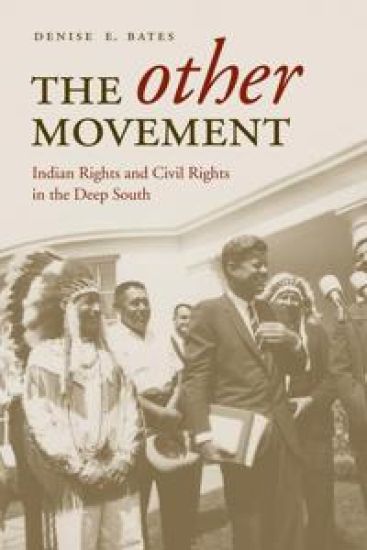
The Other Movement

The Other Movement

Denise Bates

The University of Alabama Press
2012
sidottu
The Other Movement: Indian Rights and Civil Rights in the Deep South examines the most visible outcome of the Southern Indian Rights Movement: state Indian affairs commissions. In recalling political activism in the post-World War II South, rarely does one consider the political activities of American Indians as they responded to desegregation, the passing of the Civil Rights Acts, and the restructuring of the American political party system. Native leaders and activists across the South created a social and political movement all their own, which drew public attention to the problems of discrimination, poverty, unemployment, low educational attainment, and poor living conditions in tribal communities. While tribal-state relationships have historically been characterized as tense, most southern tribes - particularly non-federally recognized ones - found that Indian affairs commissions offered them a unique position in which to negotiate power. Although individual tribal leaders experienced isolated victories and generated some support through the 1950s and 1960s, the creation of the intertribal state commissions in the 1970s and 1980s elevated the movement to a more prominent political level. Through the formalization of tribal-state relationships, Indian communities forged strong networks with local, state, and national agencies while advocating for cultural preservation and revitalization, economic development, and the implementation of community services. This book looks specifically at Alabama and Louisiana, places of intensive political activity during the civil rights era and increasing Indian visibility and tribal reorganization in the decades that followed. Between 1960 and 1990, U.S. census records show that Alabama's Indian population swelled by a factor of twelve and Louisiana's by a factor of five. Thus, in addition to serving as excellent examples of the national trend of a rising Indian population, the two states make interesting case studies because their Indian commissions brought formerly disconnected groups, each with different goals and needs, together for the first time, creating an assortment of alliances and divisions.