Kirjojen hintavertailu. Mukana 12 430 171 kirjaa ja 12 kauppaa.

Kirjailija

Denise M. Walsh

Kirjat ja teokset yhdessä paikassa: 4 kirjaa, julkaisuja vuosilta 2010-2025, suosituimpien joukossa Imperial Sexism. Vertaile teosten hintoja ja tarkista saatavuus suomalaisista kirjakaupoista.

4 kirjaa

Kirjojen julkaisuhaarukka 2010-2025.

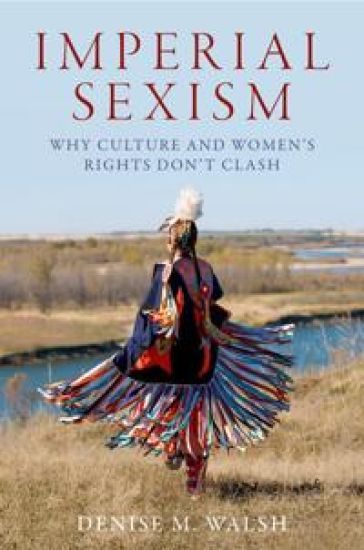
Imperial Sexism

Imperial Sexism

Denise M. Walsh

OXFORD UNIVERSITY PRESS INC
2025
sidottu
Communities across the world engage in gender practices that are seen by many as in conflict with women's rights, such as Muslim women's face veils and polygyny. But in Imperial Sexism, Denise M. Walsh argues that culture and women's rights are not inherently at odds. The root problem is imperial sexism: the legacy of colonial-era racism and sexism and their compounding harms. Through a cross-regional comparative analysis of three dissimilar policy debates in three very different democracies--the 2014 French "burka ban" adjudicated at the European Court of Human Rights, the 1998 legalization of polygyny in post-apartheid South Africa, and the 1985 reform of the "marrying out" rule for Indigenous women in Canada--Walsh confirms that a clash between culture and women's rights is always avoidable, examines why the presumption of a clash endures, and highlights the damage this presumption causes. She centers the voices of women who experience imperial sexism, many of whom resist the notion of a clash and instead harmonize cultural, religious, and women's rights by focusing on their plural identities and lived experiences. By contrast, when politicians and conservative group leaders insist upon a clash, they rely on imperial myths, binaries, and tropes, and a misuse of history. Ultimately, by amplifying the arguments of women most affected by controversial gender practices, Imperial Sexism develops a framework to promote justice, reject colonial prejudice, and strengthen the indivisibility of human rights and democratic inclusiveness.
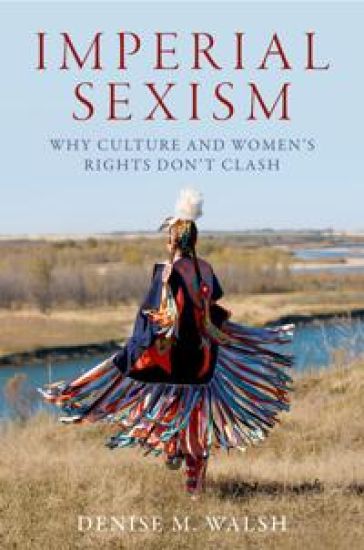
Imperial Sexism

Imperial Sexism

Denise M. Walsh

OXFORD UNIVERSITY PRESS INC
2025
nidottu
Communities across the world engage in gender practices that are seen by many as in conflict with women's rights, such as Muslim women's face veils and polygyny. But in Imperial Sexism, Denise M. Walsh argues that culture and women's rights are not inherently at odds. The root problem is imperial sexism: the legacy of colonial-era racism and sexism and their compounding harms. Through a cross-regional comparative analysis of three dissimilar policy debates in three very different democracies--the 2014 French "burka ban" adjudicated at the European Court of Human Rights, the 1998 legalization of polygyny in post-apartheid South Africa, and the 1985 reform of the "marrying out" rule for Indigenous women in Canada--Walsh confirms that a clash between culture and women's rights is always avoidable, examines why the presumption of a clash endures, and highlights the damage this presumption causes. She centers the voices of women who experience imperial sexism, many of whom resist the notion of a clash and instead harmonize cultural, religious, and women's rights by focusing on their plural identities and lived experiences. By contrast, when politicians and conservative group leaders insist upon a clash, they rely on imperial myths, binaries, and tropes, and a misuse of history. Ultimately, by amplifying the arguments of women most affected by controversial gender practices, Imperial Sexism develops a framework to promote justice, reject colonial prejudice, and strengthen the indivisibility of human rights and democratic inclusiveness.
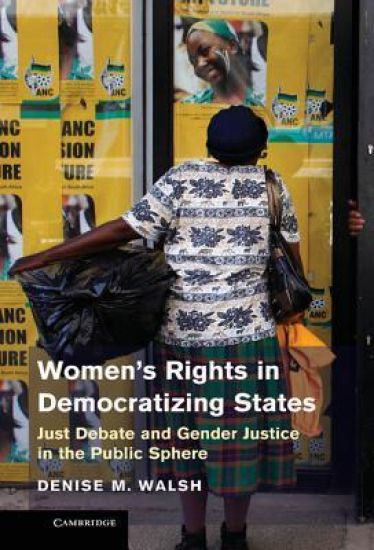
Women’s Rights in Democratizing States

Women’s Rights in Democratizing States

Denise M. Walsh

Cambridge University Press
2014
pokkari
This study offers an explanation for why advances in women's rights rarely occur in democratizing states. Drawing on deliberative theory, Denise Walsh argues that the leading institutions in the public sphere are highly gendered, meaning women's ability to shape the content of public debate and put pressure on the state to advance their rights is limited. She tests this claim by measuring the openness and inclusiveness of debate conditions in the public sphere during select time periods in Poland, Chile and South Africa. Through a series of structured, focused comparisons, the book confirms the importance of just debate for securing gender justice. The comparisons also reveal that counter publics in the leading institutions in the public sphere are crucial for expanding debate conditions. The book concludes with an analysis of counter publics and suggests an active role for the state in the public sphere.
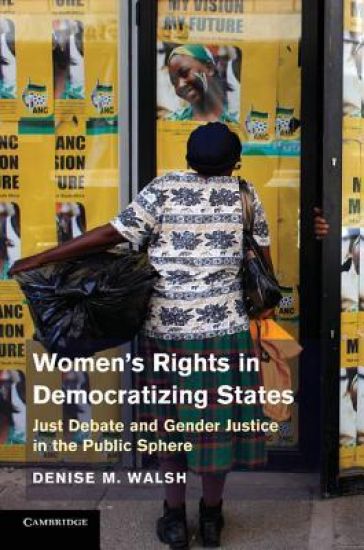
Women’s Rights in Democratizing States

Women’s Rights in Democratizing States

Denise M. Walsh

Cambridge University Press
2010
sidottu
This study offers an explanation for why advances in women's rights rarely occur in democratizing states. Drawing on deliberative theory, Denise Walsh argues that the leading institutions in the public sphere are highly gendered, meaning women's ability to shape the content of public debate and put pressure on the state to advance their rights is limited. She tests this claim by measuring the openness and inclusiveness of debate conditions in the public sphere during select time periods in Poland, Chile and South Africa. Through a series of structured, focused comparisons, the book confirms the importance of just debate for securing gender justice. The comparisons also reveal that counter publics in the leading institutions in the public sphere are crucial for expanding debate conditions. The book concludes with an analysis of counter publics and suggests an active role for the state in the public sphere.