Kirjojen hintavertailu. Mukana 12 390 323 kirjaa ja 12 kauppaa.

Kirjailija

Dennis J Mckenna

Kirjat ja teokset yhdessä paikassa: 6 kirjaa, julkaisuja vuosilta 2002-2014, suosituimpien joukossa Aya Awakenings. Vertaile teosten hintoja ja tarkista saatavuus suomalaisista kirjakaupoista.

Mukana myös kirjoitusasut: Dennis J. McKenna

6 kirjaa

Kirjojen julkaisuhaarukka 2002-2014.

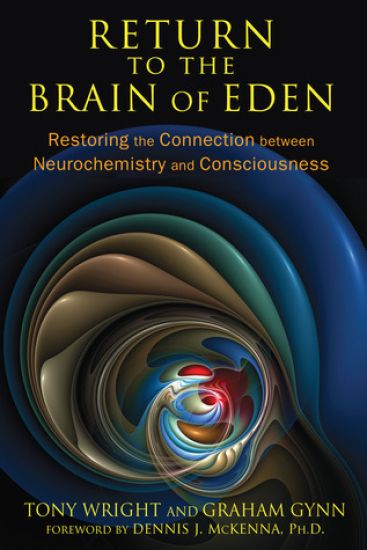
Return to the Brain of Eden

Return to the Brain of Eden

Tony Wright; Graham Gynn; Dennis J. McKenna

Inner Traditions Bear and Company
2014
pokkari
Over a period of a million years the human brain expanded at an increasingly rapid rate and then, 200,000 years ago, the expansion abruptly stopped. Modern science has overlooked this in order to maintain that we are at the pinnacle of our evolution. However, the halt in brain expansion explains not only recently uncovered anomalies within the human brain, but, also, the global traditions of an earthly paradise lost and of humanity's degeneration from our original state of perpetual wonder and joy. Drawing on more than 20 years of research, authors, Tony Wright and Graham Gynn, explore how our modern brains are performing far below their potential and how we can unlock our higher abilities and return to the euphoria of Eden. They explain how for millions of years early forest-dwelling humans were primarily consuming the hormone-rich sex organs of plants - fruit - each containing a highly complex biochemical cocktail evolved to influence DNA transcription, rapid brain development and elevated neural and pineal gland activity. Citing recent neurological and psychological studies, the authors explain how the loss of our symbiotic fruit-based diet led to a progressive neurodegenerative condition characterised by aggressive behaviour, a fearful perception of the world and the suppression of higher artistic, mathematical and spiritual abilities. The authors show how many shamanic and spiritual traditions were developed to counteract our decline. They outline a strategy of raw foods, tantric sexuality, shamanic practices and entheogen use to reverse our degeneration, restore our connection with the plant world and regain the bliss and peace of the brain of Eden. · Explores recent neurological and psychological research on the brain and the role of plant biochemistry in human brain expansion · Explains how humanity's prehistoric diet change led to a neurodegenerative condition characterised by aggression and a fearful perception of the world · Outlines a strategy of raw foods, tantric sexuality, shamanic practices and entheogens to reverse our mental degeneration and restore our advanced abilities
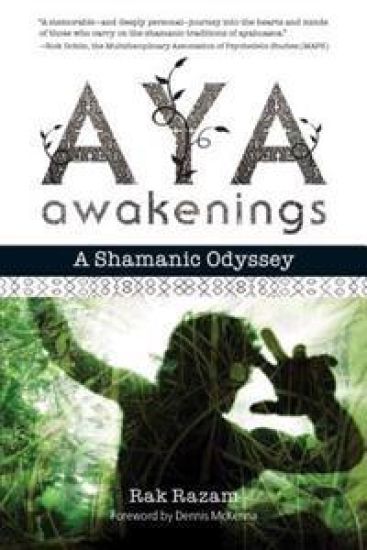
Aya Awakenings

Aya Awakenings

Rak Razam; Dennis J. McKenna

North Atlantic Books,U.S.
2013
pokkari
Experiential journalist Rak Razam sets out to document the thriving business of 21st-century hallucinogenic shamanism starting with a trip to the annual Amazonian Shaman Conference in Iquitos, Peru, where he meets a motley crew of "spiritual tourists," rogue scientists, black magicians, and indigenous and Western healers and guides, all in town to partake of the ritual--and the medicine--of ayahuasca, "the vine of souls." Combining his personal story with the history of Amazonian shamanism, Razam takes the reader along on an entertaining, enlightening adventure. In areas of Brazil, Ecuador, and Peru, the traditional herbal brew known as ayahuasca or yaje is legally used to heal physical ailments and to cleanse and purify the spirit by connecting it to the web of life. Sting and Tori Amos have admitted sampling it in Latin America, as has Paul Simon, who chronicled the experience in his song "Spirit Voices." Aya Awakenings works as a cautionary tale, a travelogue, and a memoir, but primarily acts as a portal through which readers are able to gain more information about the perils and the promise of spiritual reconnection through ayahuasca. "A memorable--and deeply personal--journey into the hearts and minds of those who carry on the shamanic traditions of ayahuasca."--Rick Doblin, founder of the Multidisciplinary Association of Psychedelic Studies (MAPS) Contents Foreword by Dennis McKenna Preface by Rak Razam Departure 1 Seekers of the Mystery; 2 Wheel of Fortune; 3 Jungle Fever; 4 Space Cadets; 5 Cosmovision; 6 Hamburger Universe; 7 Surfing; 8 Ayahuasca Disco; 9 Logos; 10 Night of the Black Puma; 11 Downtime; 12 Seeds; 13 Beasts Initiation; 14 Shaman School; 15 Snakes and Ladders; 16 Heart of Darkness; 17 Return to the Source; 18 The Love Creek Session; 19 The High Frontier; 20 Stairway to Heaven; 21 Going Down to the River to Pray; 22 The Hero's Journey Return 23 Secret Women's Business; 24 The Prime Directive; 25 One River; 26 When Stones Dream; 27 Paying the Earth; 28 Talking with Kevin; 29 Illuminated; 30 Final Flight Index Bibliography Author's Note
The Incense Bible

The Incense Bible

Dennis J Mckenna; Kerry Hughes

Routledge Member of the Taylor and Francis Group
2007
sidottu
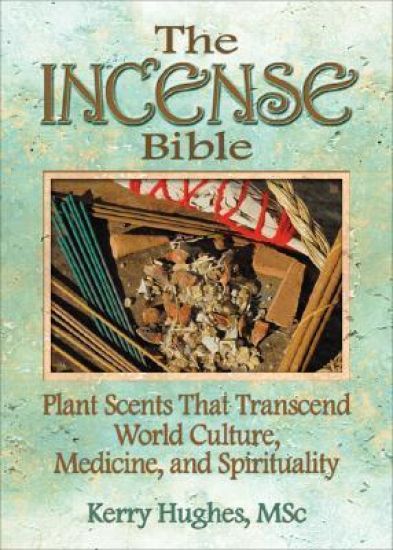
Make a spiritual connection to nature with real, raw, natural incenseThe Incense Bible is a comprehensive guide to the spiritual meaning of real, raw, natural incense and how to use it in prayer, meditation, or simply in creating a home environment to reconnect with divinity and nature. This unique book examines the spiritual and ritual uses of pure incense (not sticks, cones, or synthetic mixtures), explores our attraction to it, and explains how we can use it at home to increase wellness. Filled with easy-to-use references and easy-to-understand technical information, the book also looks at the use of incense in health and medicine, a history of its use in a variety of countries and cultures, and various types of raw incense, including eucalyptus, sandalwood, sweet grass, agarwood, frankincense, and myrrh.The Incense Bible examines aspects of spirituality and religion, health and medicine, botanical medicines, ethnobotany, and history of real incensenot the low-quality, processed, synthetic fragrances most people think of as incense. This enlightening and entertaining book, written in everyday language and filled with photgraphs, examines why incense appeals to our sense of smell, of adventure, and of spiritual and physical well-beingand has for centuries. The book looks at the use of incense for purifications and cleansings, creative inspiration, meditation, worship and prayer, for inducing dreams and sleep, to improve learning and problem solving, and as a perfume for clothes, hair, and body.Topics examined in The Incense Bible include: types of raw incense, including balsam, cedar, mugwort and moxa, and white sage safety how the sense of smell works the link between taste and scent scent and memory allergies and sensitivities oils and flower essences for healing how to make incense incense materials and symbols the use of incense in Egyptian, Greek, and Roman times, in Buddhism and Shamanism, in Israel, in the Catholic Church, in Native American sweat lodges, and in the African rainforest and much more!The Incense Bible is an essential resource for anyone interested in health and natural medicine, botanical medicines, and ethnobotany, and for anyone seeking to express their spirituality by reconnecting to nature
The Incense Bible

The Incense Bible

Dennis J Mckenna; Kerry Hughes

Routledge Member of the Taylor and Francis Group
2007
nidottu
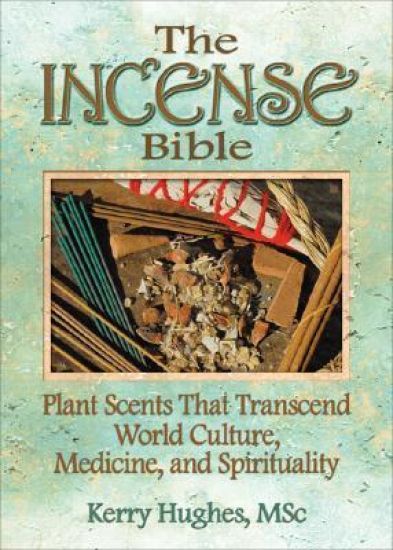
Make a spiritual connection to nature with real, raw, natural incenseThe Incense Bible is a comprehensive guide to the spiritual meaning of real, raw, natural incense and how to use it in prayer, meditation, or simply in creating a home environment to reconnect with divinity and nature. This unique book examines the spiritual and ritual uses of pure incense (not sticks, cones, or synthetic mixtures), explores our attraction to it, and explains how we can use it at home to increase wellness. Filled with easy-to-use references and easy-to-understand technical information, the book also looks at the use of incense in health and medicine, a history of its use in a variety of countries and cultures, and various types of raw incense, including eucalyptus, sandalwood, sweet grass, agarwood, frankincense, and myrrh.The Incense Bible examines aspects of spirituality and religion, health and medicine, botanical medicines, ethnobotany, and history of real incensenot the low-quality, processed, synthetic fragrances most people think of as incense. This enlightening and entertaining book, written in everyday language and filled with photgraphs, examines why incense appeals to our sense of smell, of adventure, and of spiritual and physical well-beingand has for centuries. The book looks at the use of incense for purifications and cleansings, creative inspiration, meditation, worship and prayer, for inducing dreams and sleep, to improve learning and problem solving, and as a perfume for clothes, hair, and body.Topics examined in The Incense Bible include: types of raw incense, including balsam, cedar, mugwort and moxa, and white sage safety how the sense of smell works the link between taste and scent scent and memory allergies and sensitivities oils and flower essences for healing how to make incense incense materials and symbols the use of incense in Egyptian, Greek, and Roman times, in Buddhism and Shamanism, in Israel, in the Catholic Church, in Native American sweat lodges, and in the African rainforest and much more!The Incense Bible is an essential resource for anyone interested in health and natural medicine, botanical medicines, and ethnobotany, and for anyone seeking to express their spirituality by reconnecting to nature
Botanical Medicines

Botanical Medicines

Dennis J Mckenna; Kenneth Jones; Kerry Hughes; Virginia M Tyler

Routledge Member of the Taylor and Francis Group
2002
sidottu
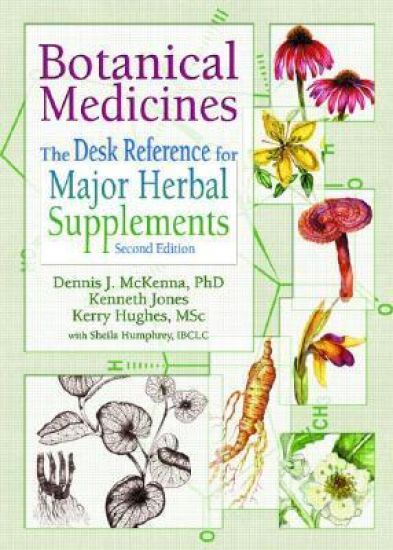
Answer patients’questions about botanical supplements quickly and easily!This informative book is a compendium of detailed scientific research on 34 of the most popular dietary supplements used in North America and Europe. Its coverage of pharmacological studies on the main medicinal plants used in clinical practice and sold in pharmacies in the Western world is more extensive than any other publication of monographic reviews available. The way Botanical Medicines: The Desk Reference for Major Herbal Supplements, Second Edition. is organized (standardized topic formats are used in each monograph) makes it easy for you to locate relevant information quickly and to compare corresponding sections between different entries. This book is an invaluable tool for pharmacists, physicians, and other health care professionals who need detailed, scientifically accurate information on appropriate use, safety, dosages, and similar issues related to botanical dietary supplements.Each entry in Botanical Medicines: The Desk Reference for Major Herbal Supplements, Second Edition. covers botanical data (classification and nomenclature, common names, geographic occurrence, and botanical characteristics), plus: history and traditional uses chemistry therapeutic applications pre-clinical studies clinical studies recommended dosages safety profiles (including toxicology) side effects and contraindications drug interactions and special precautions safety recommendations during pregnancy and lactationThis extensively referenced volume includes appendixes with information on the major provisions of DSHEA (the Dietary Supplement Health and Education Act of 1994) and on the criteria and procedures for assessing the quality of botanical products.
Botanical Medicines

Botanical Medicines

Dennis J Mckenna; Kenneth Jones; Kerry Hughes; Virginia M Tyler

Routledge Member of the Taylor and Francis Group
2002
nidottu
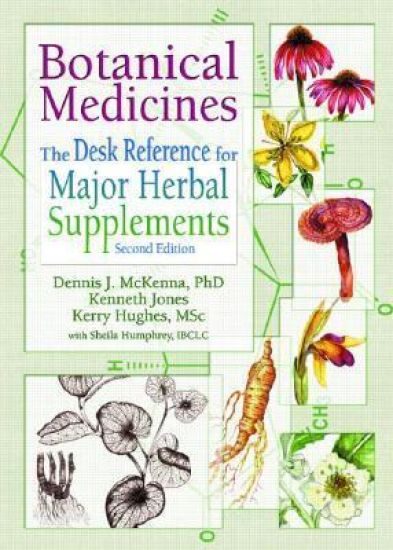
Answer patients’questions about botanical supplements quickly and easily!This informative book is a compendium of detailed scientific research on 34 of the most popular dietary supplements used in North America and Europe. Its coverage of pharmacological studies on the main medicinal plants used in clinical practice and sold in pharmacies in the Western world is more extensive than any other publication of monographic reviews available. The way Botanical Medicines: The Desk Reference for Major Herbal Supplements, Second Edition. is organized (standardized topic formats are used in each monograph) makes it easy for you to locate relevant information quickly and to compare corresponding sections between different entries. This book is an invaluable tool for pharmacists, physicians, and other health care professionals who need detailed, scientifically accurate information on appropriate use, safety, dosages, and similar issues related to botanical dietary supplements.Each entry in Botanical Medicines: The Desk Reference for Major Herbal Supplements, Second Edition. covers botanical data (classification and nomenclature, common names, geographic occurrence, and botanical characteristics), plus: history and traditional uses chemistry therapeutic applications pre-clinical studies clinical studies recommended dosages safety profiles (including toxicology) side effects and contraindications drug interactions and special precautions safety recommendations during pregnancy and lactationThis extensively referenced volume includes appendixes with information on the major provisions of DSHEA (the Dietary Supplement Health and Education Act of 1994) and on the criteria and procedures for assessing the quality of botanical products.