Kirjojen hintavertailu. Mukana 12 207 155 kirjaa ja 12 kauppaa.

Kirjailija

Derek Coller

Kirjat ja teokset yhdessä paikassa: 4 kirjaa, julkaisuja vuosilta 2018-2023, suosituimpien joukossa Chicago Jazz: the Second Line. Vertaile teosten hintoja ja tarkista saatavuus suomalaisista kirjakaupoista.

4 kirjaa

Kirjojen julkaisuhaarukka 2018-2023.

Chicago Jazz: the Second Line

Chicago Jazz: the Second Line

Derek Coller; Bert Whyatt

Hardinge Simpole Publishing
2018
nidottu
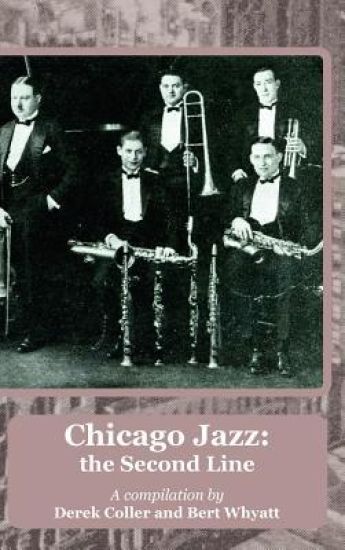
When Derek Coller decided to pay tribute to his late friend - the author, biographer, discographer and researcher, Bert Whyatt - he looked for a common theme under which to group some of the articles they had written together over the years. He found it in Chicago where their research activities had gravitated towards the style of music created by the young white musicians from that city and its environs - particularly those who rallied around the figurehead of Eddie Condon - as they listened to and learned from the pioneer black stylists, many of them the greatest jazz players to emigrate from New Orleans, including King Oliver, Louis Armstrong, Johnny and Baby Dodds and Jimmy Noone. Two trips to the USA, made by the authors in 1979 and 1992, led to meetings and correspondence with some of the musicians in this compilation, and to learning about many others. There are connections between most of these articles, interviews and notes, with an over-lapping of jobs, leaders and clubs. Some of the stories are about pioneers: Elmer Schoebel, Jack Pettis and Frank Snyder, for example, were in the New Orleans Rhythm Kings in 1923. Trombonist George Brunis, chronicled here, was also a member of that band, though his long career - during which he played with Muggsy Spanier, as did Rod Cless and George Zack, in the Spanier Ragtime Band of `Great Sixteen' fame - has been more widely documented. Floyd Bean and Tut Soper, here too, were also Spanier alumni. The articles originally appeared variously under a dual by-line, or by either Whyatt or Coller, but always with consultation and discussion prior to publication. Here they become a lively mix of the voices of the authors as well as the musicians and their families, building a story through biography, reviews and discography. The book is illustrated with evocative black and white photographs and images, and there is an Index of names and places to help the reader keep track of the musicians, composers, producers, promoters and writers who created this part of the history of jazz.
Feel So Fine

Feel So Fine

Derek Coller

Zeticula Ltd
2023
pokkari
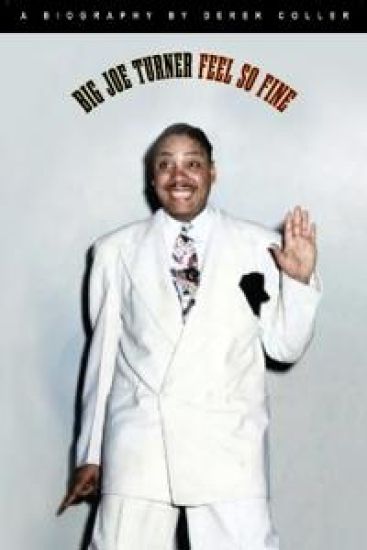
Big Joe Turner was the greatest of the blues shouters. For more than five decades, from Kansas City saloons to Carnegie Hall, through the swing era, rhythm and blues, rock and roll, and soul music, Joe Turner sang, never wavering. Small bands, big bands, trios, pianists, rock groups, choirs, all styles of accompaniment rocked to his rhythm. Joe Turner was like a force of nature, making everyone feel fine.During a lifetime of singing throughout the United States, with trips to Europe, Australia and Mexico, Big Joe Turner was the subject of myriad interviews and articles, followed by numerous appreciations thereafter. Yet despite this outpouring of thousands upon thousands of words, no full length biography of him has to date been published. This volume is an attempt to remedy that omission by providing a long overdue bio-discography, a starting point from which the singer and his music can be further studied and appreciated.appreciation of this amazing music.Time, of course, plays tricks on our memories. One year merges into another, chronology wanders, names and places are forgotten or misplaced. With incomplete information it is easy to make erroneous connections. This story is true but are the details?So it was with Joe Turner and his contemporaries. Interviewed about their early careers, sometimes ten, twenty, thirty or more years after the event, it is not surprising that there are conflicts, contradictions, and uncertainties between various accounts. Even Turner's interviews give differing details. Did he meet Pete Johnson at the Sunset or the Backbiters' Club? Did he gain entry to a club when underage by drawing a moustache on his lip, by putting on a false moustache or actually growing one?
Feel So Fine

Feel So Fine

Derek Coller

Zeticula Ltd
2023
sidottu
Big Joe Turner was the greatest of the blues shouters. For more than five decades, from Kansas City saloons to Carnegie Hall, through the swing era, rhythm and blues, rock and roll, and soul music, Joe Turner sang, never wavering. Small bands, big bands, trios, pianists, rock groups, choirs, all styles of accompaniment rocked to his rhythm. Joe Turner was like a force of nature, making everyone feel fine.During a lifetime of singing throughout the United States, with trips to Europe, Australia and Mexico, Big Joe Turner was the subject of myriad interviews and articles, followed by numerous appreciations thereafter. Yet despite this outpouring of thousands upon thousands of words, no full length biography of him has to date been published. This volume is an attempt to remedy that omission by providing a long overdue bio-discography, a starting point from which the singer and his music can be further studied and appreciated.appreciation of this amazing music.Time, of course, plays tricks on our memories. One year merges into another, chronology wanders, names and places are forgotten or misplaced. With incomplete information it is easy to make erroneous connections. This story is true but are the details?So it was with Joe Turner and his contemporaries. Interviewed about their early careers, sometimes ten, twenty, thirty or more years after the event, it is not surprising that there are conflicts, contradictions, and uncertainties between various accounts. Even Turner's interviews give differing details. Did he meet Pete Johnson at the Sunset or the Backbiters' Club? Did he gain entry to a club when underage by drawing a moustache on his lip, by putting on a false moustache or actually growing one?
Chicago Jazz

Chicago Jazz

Derek Coller; Bert Whyatt

Hardinge Simpole Publishing
2018
sidottu
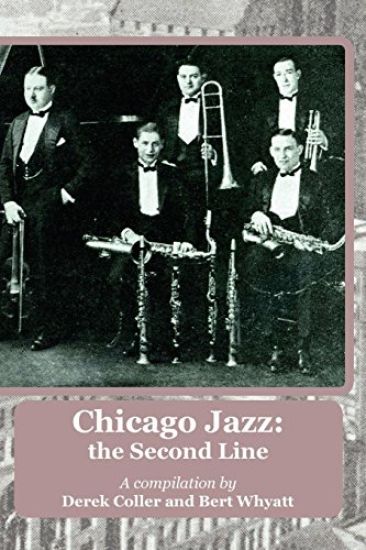
When Derek Coller decided to pay tribute to his late friend - the author, biographer, discographer and researcher, Bert Whyatt - he looked for a common theme under which to group some of the articles they had written together over the years. He found it in Chicago where their research activities had gravitated towards the style of music created by the young white musicians from that city and its environs - particularly those who rallied around the figurehead of Eddie Condon - as they listened to and learned from the pioneer black stylists, many of them the greatest jazz players to emigrate from New Orleans, including King Oliver, Louis Armstrong, Johnny and Baby Dodds and Jimmy Noone. Two trips to the USA, made by the authors in 1979 and 1992, led to meetings and correspondence with some of the musicians in this compilation, and to learning about many others. There are connections between most of these articles, interviews and notes, with an over-lapping of jobs, leaders and clubs. Some of the stories are about pioneers: Elmer Schoebel, Jack Pettis and Frank Snyder, for example, were in the New Orleans Rhythm Kings in 1923. Trombonist George Brunis, chronicled here, was also a member of that band, though his long career - during which he played with Muggsy Spanier, as did Rod Cless and George Zack, in the Spanier Ragtime Band of 'Great Sixteen' fame - has been more widely documented. Floyd Bean and Tut Soper, here too, were also Spanier alumni. The articles originally appeared variously under a dual by-line, or by either Whyatt or Coller, but always with consultation and discussion prior to publication. Here they become a lively mix of the voices of the authors as well as the musicians and their families, building a story through biography, reviews and discography. The book is illustrated with evocative black and white photographs and images, and there is an Index of names and places to help the reader keep track of the musicians, composers, producers, promoters and writers who created this part of the history of jazz.