Kirjojen hintavertailu. Mukana 12 390 323 kirjaa ja 12 kauppaa.

Kirjailija

Derek Tait

Kirjat ja teokset yhdessä paikassa: 27 kirjaa, julkaisuja vuosilta 2003-2026, suosituimpien joukossa Devonport Through Time. Vertaile teosten hintoja ja tarkista saatavuus suomalaisista kirjakaupoista.

27 kirjaa

Kirjojen julkaisuhaarukka 2003-2026.

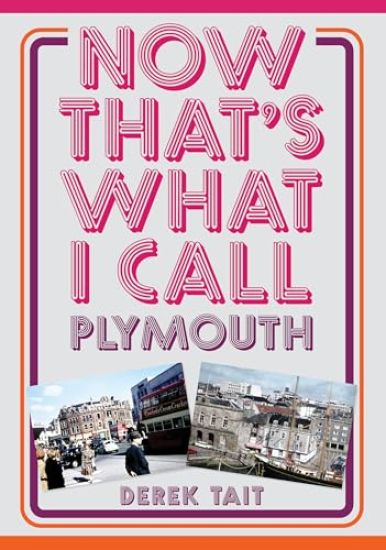
Now That's What I Call Plymouth

Now That's What I Call Plymouth

Derek Tait

AMBERLEY PUBLISHING
2025
nidottu
The 1960s, 1970s and 1980s were decades of significant change. Many towns and cities were redeveloped with projects that dramatically affected the character of the place. People’s shopping habits were altered as supermarkets took over from traditional stores and corner shops. Leisure habits were changing too, as cheap air travel led to the arrival of the foreign package holiday and a new range of leisure facilities were developed at home. Fashions, as ever, were changing in this period, reflecting radical shifts in society and the ways in which we viewed ourselves. Transport also evolved, with a move away from the railway and buses, creating a strain on the roads and leading to new road schemes. These changes in people’s habits and lifestyles were keenly felt in Plymouth on the Devon coast. The historic Royal Navy base and commercial port have remained open, but the city has changed markedly over the years. Reconstruction of the centre followed the devastation of the Second World War, and in a massive rebuilding programme of housing the city’s boundaries were extended to absorb nearby settlements in the 1960s. The transport network was transformed and redevelopment of Plymouth’s sporting and leisure centres continued through this period. Local author Derek Tait recaptures it all in this fascinating portrayal of the city and its people over the course of these most nostalgic decades.
Plymouth in 50 Buildings

Plymouth in 50 Buildings

Derek Tait

AMBERLEY PUBLISHING
2024
nidottu
Plymouth has been a major port for centuries. Famous Elizabethan maritime traders sailed from the port and its position on the Devon coast enabled it to benefit from the Atlantic trade during the Industrial Revolution at the same time that Devonport grew as an important naval shipyard and dockyard. The town absorbed other nearby settlements and in 1928 was awarded city status. Heavily bombed during the Second World War, the city was rebuilt and further areas such as Plympton and Plymstock were incorporated in the 1960s. It is now home to over a quarter of a million inhabitants. Plymouth still has a large naval dockyard, as well as a fascinating mix of old and new buildings. Plymouth in 50 Buildings explores the history of this city through a selection of its most interesting buildings and structures, showing the changes that have taken place over the years. This book will appeal to all those who live in the town or who have an interest in the area.
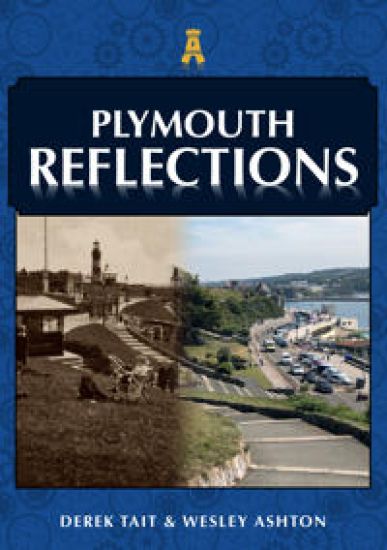
Plymouth Reflections

Plymouth Reflections

Derek Tait; Wesley Ashton

AMBERLEY PUBLISHING
2023
nidottu
Plymouth has a long and varied history with strong connections to England’s most famous mariners including Sir Francis Drake, Sir Walter Raleigh and Sir John Hawkins. In 1588 Drake famously continued his game of bowls on Plymouth Hoe as the Spanish Armada approached, and in 1620 the Pilgrim Fathers left from the port on their journey to the New World. Much of the city was destroyed in the Second World War, making a vast expanse unrecognisable. However, many well-loved landmarks, old buildings and streets remain. Today Plymouth continues to change, although it is possible to discover the original buildings, some dating back to medieval times, and much history lies hidden away in the backstreets of the Barbican, the Hoe and scattered throughout the city. In Plymouth Reflections a fascinating collection of historic and modern pictures are individually merged to reveal how the city has altered across the decades. Each of the 180 images combines a recent colour view with a matching archive scene showing how the buildings, streets and the way of life have changed. Local author Derek Tait presents this engaging and evocative visual chronicle that reflects Plymouth past and present. It will appeal to residents, visitors and all those who know the city well.
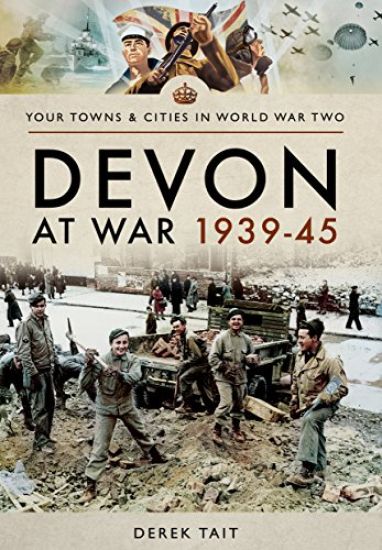
Devon at War 1939 45

Devon at War 1939 45

Derek Tait

Pen Sword Military
2017
nidottu
When war was declared on 1 September 1939, the people of Devon pulled together in a way that they hadn't done since the Great War of 191418. This book covers the people of Devon's contribution to the war effort, from the commencement of the conflict in September 1939, to its end in September 1945. It features many forgotten news stories of the day and looks at the changes to civilian's everyday lives, entertainment, spies and the internment of aliens living within the area. Devon became vital as a base for troops and as a despatch point for the many men who left to fight in Europe. Several RAF bases were also established within the county to repel German attacks. Air raid shelters were erected in gardens and at public places and many children living in larger cities were swiftly evacuated to the countryside, as Plymouth and Exeter both suffered greatly from German bombing, with much of Plymouth being obliterated. Carrying a gas mask, rationing, the make-do-and-mend culture and the collection of scrap metal all became a generic way of life. Many of the jobs left open by men fighting abroad were taken up by women on the Home Front. The Women's Voluntary Service assisted with the evacuation of mothers and children to the country, carried out civil defence duties and provided food and clothing for the many refugees from occupied Europe. During the build-up to D Day, American troops were trained and stationed within the county before leaving for the beaches of Normandy. Slapton Sands, Dartmoor and Woolacombe were all used as training grounds with tragic loss of life at Slapton. Devon played a truly vital role in the war and its people contributed greatly to bringing the world changing conflict to an end.
Cornwall at War 1939 45

Cornwall at War 1939 45

Derek Tait

Pen Sword Military
2017
nidottu
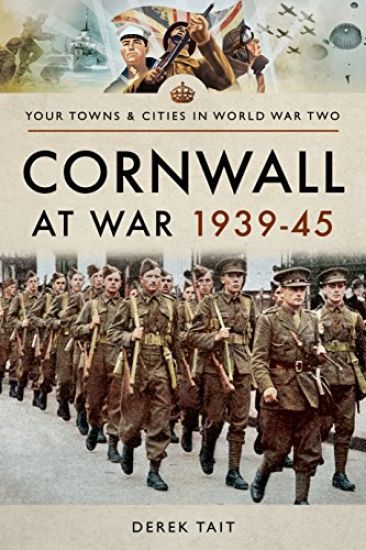
When the Second World War commenced on 1 September 1939, the people of Cornwall rallied together in a way that they hadn t done since the Great War of 1914 18\. Young men in their thousands enlisted in the army while older men joined the country s home defence force, the Home Guard. Women took over the jobs of men and many helped charitable organisations and other worthy causes by joining the Women s Voluntary Service. The Land Army assisted with agricultural work, a service that was vitally needed within the county. Many RAF bases were set up in Cornwall, which proved essential for the defence of the country and as stopping-off points during bombing raids and other missions. Many evacuees from other parts of the country, including London and nearby Plymouth, were welcomed to the county and were looked after by local families. Thousands of American soldiers were based in Cornwall before leaving for the shores of Northern France during D-Day in June 1944\. They received a warm welcome from the people of the county and many invited them into their homes. This book covers the people of Cornwall s contribution to the war effort, from the commencement of the conflict in September 1939 to its end in September 1945\. It features many forgotten news stories of the day and looks at the changes to civilians everyday lives, entertainment and the internment of aliens living within the area. Air raid shelters, carrying a gas mask, rationing, the make-do-and-mend culture and the collection of scrap metal all became a way of life. Huge celebrations took place all over the county when the war came to an end but many of the lives of the people living in Cornwall were changed forever.
1960S Childhood

1960S Childhood

Derek Tait

Amberley Publishing
2014
pokkari
The 1960s was a period of change – the beginning of the world as we know it. It was the time of Beatlemania, the Apollo moon landings and Doctor Who, which had every small child hiding behind the sofa. Crazy fashions abounded, with bell-bottomed trousers, corduroys and cravats, and there was an explosion in British music, featuring great bands such as The Kinks, The Who and The Rolling Stones. Then who could forget the excitement of the 1966 World Cup when England beat Germany 4-2? It was every schoolboy’s dream! Much has changed in the past fifty years, but the decade lives on in music, fashion and even television. For those who grew up at this time, the Swinging Sixties never really went away.
1950s Childhood: Spangles, Tiddlywinks and The Clitheroe Kid
With few TVs, children in the 1950s made their own entertainment: they played conkers, built dens and go-karts, climbed trees and re-enacted fights from the latest cinema blockbuster. Food was, for many years, still rationed and bought from the local corner shop. There was no pre-packed food, frozen food or many of the other luxuries that we take for granted today. Families would gather around the radio to hear the latest dramatizations such as the incredibly popular show Dan Dare, which was sponsored by Horlicks and was first broadcast in 1951. A trip to the cinema included a Pathe News reel, cartoons and a double bill featuring the latest movies. Much has changed for children over the years and this book shows what life was once like for the children of the 1950s including home life, school days, music and fashions.
Dartmoor Through the Year

Dartmoor Through the Year

Derek Tait

Amberley Publishing
2013
nidottu
The beauty of Dartmoor constantly changes throughout the year. Every season brings something new; new growth and colour in the spring, flourishing wildlife, plants and insects in the summer including magnificent butterflies, bees and other weird and wonderful insects. Autumn brings a rich glow to the moor, with golden brown leaves and many other colour changes to shrubs and moorland. Winter brings darker, wetter days with flurries of snow that isolate many villages on the moors. The mysterious landscape is wonderful to explore and features many locations that are famous throughout the world, including the desolate Dartmoor prison, used as a backdrop in many books, films and television dramas. Within this book, Derek Tait captures the many changes to the moor throughout the year.
Plymouth at War From Old Photographs

Plymouth at War From Old Photographs

Derek Tait

Amberley Publishing
2012
nidottu
During the Second World War, Plymouth suffered some of the worst Blitz damage in the country. Bustling streets such as Bedford Street, George Street and Old Town Street were totally destroyed, while popular stores including Dingles, Pophams, Boots and Woolworths were reduced to rubble. Casualties were high, yet the people of Plymouth kept their spirits up with concerts and regular dances held on the Hoe. On a visit to the city, Winston Churchill congratulated the local people by stating, 'Your homes are low but your hearts are high!' Illustrated with over 220 archive photographs and documents, Plymouth at War offers a unique record of the wartime history of Plymouth. This volume documents aspects of everyday life during this time, from the destruction of homes by enemy bombing and air-raid casualties, to the trials of rationing and evacuation and recalls the people who lived in and defended the city during those dangerous years.
An Illustrated History of Butlins

An Illustrated History of Butlins

Derek Tait

Amberley Publishing
2012
nidottu
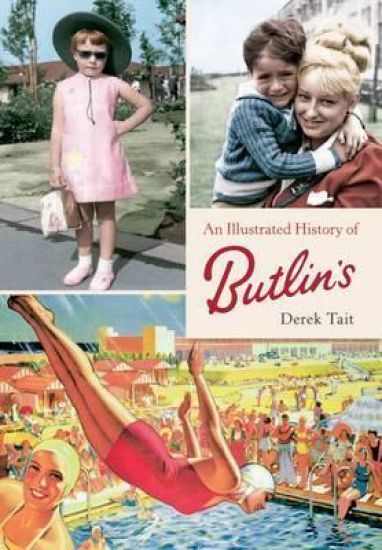
For over seventy-five years, Butlin's have been entertaining families of all ages. Billy Butlin opened his first holiday camp in Skegness in 1936 and continued to expand with camps at Clacton, Ayr, Pwllheli, Bognor Regis, Mosney, Minehead and Barry Island. In post-war Britain, families could enjoy a holiday at Butlin's for the equivalent of a week's wage. Their slogan was 'Our True Intent is all for Your Delight'. Over the years, hundreds of thousands of people visited Butlin's and many have wonderful memories of the friendly redcoats, the funfair rides, roller skating, boating, the talent contests and the beauty pageants.
River Tamar Through the Year

River Tamar Through the Year

Derek Tait

Amberley Publishing
2012
nidottu
Flowing between Devon and Cornwall, the beauty of the River Tamar is ever changing. Every turn brings something new; deer, otters, seals, stoats and, in the past, even the occasional dolphin. Rich with trees, flowers and insects, there is something wonderful to be found with every season. Spring brings new growth and colour with bluebells and daffodils. Wildlife flourishes and bees and butterflies appear, along with many other weird and wonderful insects.In the summer everything thrives and then the wonderful shades of autumn cloak the banks of the river. In the winter we see stormy weather, snow flurries and heavy rain. Various industries flourish along the Tamar including boat building, fishing and farming together with many activities such as yacht racing, regattas and fetes. This lavishly illustrated book will appeal to anyone who loves this beautiful waterway.
Devon Through Time

Devon Through Time

Derek Tait

Amberley Publishing
2012
nidottu
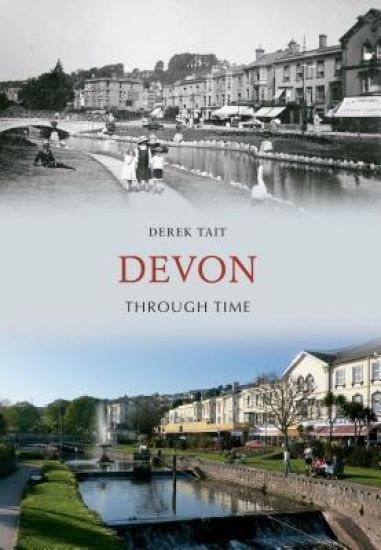
With the introduction of the railway, Devon became a popular holiday resort in Victorian and Edwardian times. From 1894, picture postcards were first produced and were sent in their thousands.With several deliveries a day, a postcard could be sent in the morning and received in the afternoon. Because of this, thousands of images of Devon were produced and many survive to this day to be found in second-hand shops and auction rooms.Devon also includes the vast expanse of Dartmoor, made famous in the Sherlock Holmes novels of Arthur Conan Doyle. Many once popular holiday destinations now look worse for wear. Gone are the trams, the pleasure cruises and the many tea rooms that catered for visitors in the early 1900s. Devon is still a beautiful county which welcomes hundreds of thousands of visitors every year.
Cornwall Through Time

Cornwall Through Time

Derek Tait

Amberley Publishing
2012
nidottu
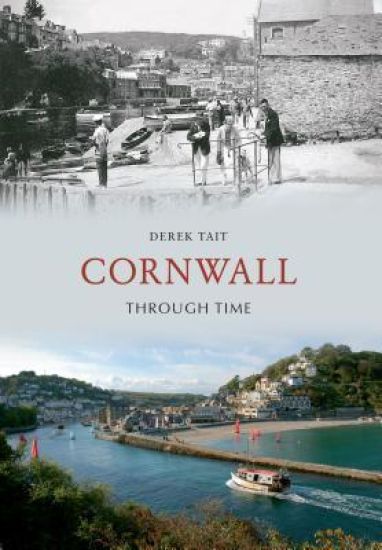
Cornwall has changed much over the last 100 years or so. Disused tin mines can be found scattered across the landscape together with signs of other long-forgotten industries. An old china clay pit at Bodelva is now the very popular Eden Project. With the introduction of the railway, fruit and other produce was able to be distributed all over the country. It also meant an influx of visitors each summer as people from across the country flocked to the beautiful Cornish beaches.Today, many of the trades that were once commonplace in Cornwall are now long gone and, for many, the area is a place for holidays featuring beautiful beaches and coastal walks. Places like Newquay attract many tourists and surfers and Fistral Beach hosts regular competitions. This book shows the changing face of Cornwall from a hive of industry to a popular tourist destination.
Plymouth at War Through Time

Plymouth at War Through Time

Derek Tait

Amberley Publishing
2011
nidottu
The face of Plymouth changed forever during the Second World War. Heavy bombing destroyed most of its buildings and left the city devastated. Many people found themselves homeless with their only belongings being possessions salvaged from their destroyed homes. Many children were evacuated away from danger and were sent out into the countryside. Many didn't want to go while others saw it as an adventure. The Dockyard also came under attack and large areas of Devonport were destroyed or severely damaged. Other areas hit by the bombing included St Budeaux, Saltash Passage, Swilly (later North Prospect) and Stonehouse. Plymouth Hoe also suffered damage including the destruction of the Pier. Plymouth at War Through Time shows much of the devastation to the city as well as photographs of the same areas as they are today.
A 1970s Childhood

A 1970s Childhood

Derek Tait

The History Press Ltd
2011
nidottu
Do you remember glam rock, flares, cheesecloth shirts and chopper bikes? Then it sounds like you were lucky enough to grow up during the 1970s. Who could forget all the glam rock bands of that era, like Slade, Wizard, Mud and Sweet, or singers like Alvin Stardust, Marc Bolan and David Bowie? What about those wonderful TV shows like Starsky and Hutch, Kojak, Kung Fu and Happy Days?Fashion included platform shoes (we all had a pair), flared trousers, brightly patterned shirts with huge collars and colourful kipper ties. And everyone remembers preparing for power cuts and that long, hot summer of 1976?So dust off your space hopper and join us on this fascinating journey through a childhood during the seventies, with hilarious illustrations and a nostalgic trip down memory lane for all those who grew up in this memorable decade.