Kirjojen hintavertailu. Mukana 12 595 353 kirjaa ja 12 kauppaa.

Kirjailija

Derek W. Black

Kirjat ja teokset yhdessä paikassa: 5 kirjaa, julkaisuja vuosilta 2016-2026, suosituimpien joukossa Dangerous Learning: The South's Long War on Black Literacy. Vertaile teosten hintoja ja tarkista saatavuus suomalaisista kirjakaupoista.

Mukana myös kirjoitusasut: Derek W Black

5 kirjaa

Kirjojen julkaisuhaarukka 2016-2026.

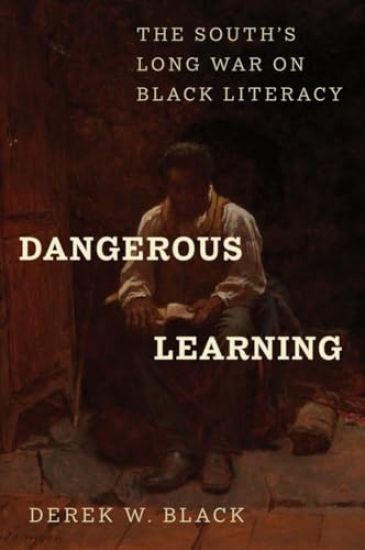
Dangerous Learning: The South's Long War on Black Literacy
The enduring legacy of the nineteenth-century struggle for Black literacy in the American South Few have ever valued literacy as much as the enslaved Black people of the American South. For them, it was more than a means to a better life; it was a gateway to freedom and, in some instances, a tool for inspiring revolt. And few governments tried harder to suppress literacy than did those in the South. Everyone understood that knowledge was power: power to keep a person enslaved in mind and body, power to resist oppression. In the decades before the Civil War, Southern governments drove Black literacy underground, but it was too precious to be entirely stamped out. This book describes the violent lengths to which southern leaders went to repress Black literacy and the extraordinary courage it took Black people to resist. Derek W. Black shows how, from the beginning of the nineteenth century to the end of Reconstruction, literacy evolved from a subversive gateway to freedom to a public program to extend citizenship and build democratic institutions--and how, once Reconstruction was abandoned, opposition to educating Black children depressed education throughout the South for Black and white students alike. He also reveals the deep imprint those events had on education and how this legacy is resurfacing today.
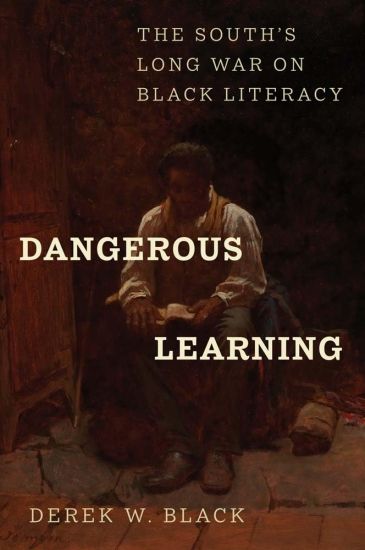
Dangerous Learning

Dangerous Learning

Derek W Black

YALE UNIVERSITY PRESS
2025
sidottu
The enduring legacy of the nineteenth-century struggle for Black literacy in the American South Few have ever valued literacy as much as the enslaved Black people of the American South. For them, it was more than a means to a better life; it was a gateway to freedom and, in some instances, a tool for inspiring revolt. And few governments tried harder to suppress literacy than did those in the South. Everyone understood that knowledge was power: power to keep a person enslaved in mind and body, power to resist oppression. In the decades before the Civil War, Southern governments drove Black literacy underground, but it was too precious to be entirely stamped out. This book describes the violent lengths to which southern leaders went to repress Black literacy and the extraordinary courage it took Black people to resist. Derek W. Black shows how, from the beginning of the nineteenth century to the end of Reconstruction, literacy evolved from a subversive gateway to freedom to a public program to extend citizenship and build democratic institutions—and how, once Reconstruction was abandoned, opposition to educating Black children depressed education throughout the South for Black and white students alike. He also reveals the deep imprint those events had on education and how this legacy is resurfacing today.
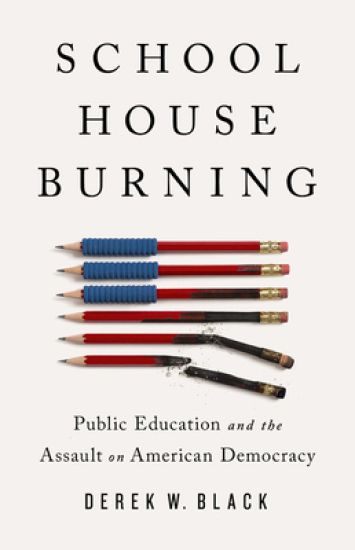
Schoolhouse Burning

Schoolhouse Burning

Derek W. Black

PublicAffairs,U.S.
2020
sidottu
We are in the midst of a full-scale attack on our nation's commitment to public education. From funding, to vouchers, to charter schools, public education policy has become a political football, rather than a means of fulfilling the most basic obligation of government to its citizens.As Derek W. Black vividly illustrates, this assault threatens not just public education, but democracy itself. Black offers both an illuminating history of our nation's establishment of a constitutional right to education, and a trenchant analysis of how such a right is being undermined today. He looks at education history with a wide view, describing both periods when our democracy has been strengthened-when the commitment to public education has been strongest-and weakened, when such a commitment has been lacking. And today, such a commitment is sorely lacking.Schoolhouse Burning shows what is at stake: not just the right to public education as guaranteed by the constitution, but an erosion of democratic norms.
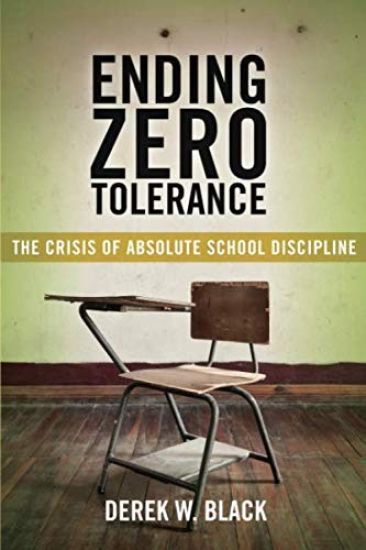
Ending Zero Tolerance

Ending Zero Tolerance

Derek W. Black

New York University Press
2018
pokkari
Answers the calls of grassroots communities pressing for integration and increased education funding with a complete rethinking of school discipline In the era of zero tolerance, we are flooded with stories about schools issuing draconian punishments for relatively innocent behavior. One student was suspended for chewing a Pop-Tart into the shape of a gun. Another was expelled for cursing on social media from home. Suspension and expulsion rates have doubled over the past three decades as zero tolerance policies have become the normal response to a host of minor infractions that extend well beyond just drugs and weapons. Students from all demographic groups have suffered, but minority and special needs students have suffered the most. On average, middle and high schools suspend one out of four African American students at least once a year. The effects of these policies are devastating. Just one suspension in the ninth grade doubles the likelihood that a student will drop out. Fifty percent of students who drop out are subsequently unemployed. Eighty percent of prisoners are high school drop outs. The risks associated with suspension and expulsion are so high that, as a practical matter, they amount to educational death penalties, not behavioral correction tools. Most important, punitive discipline policies undermine the quality of education that innocent bystanders receive as well—the exact opposite of what schools intend. Derek Black, a former attorney with the Lawyers' Committee for Civil Rights Under Law, weaves stories about individual students, lessons from social science, and the outcomes of courts cases to unearth a shockingly irrational system of punishment. While schools and legislatures have proven unable and unwilling to amend their failing policies, Ending Zero Tolerance argues for constitutional protections to check abuses in school discipline and lays out theories by which courts should re-engage to enforce students' rights and support broader reforms.
Ending Zero Tolerance

Ending Zero Tolerance

Derek W. Black

New York University Press
2016
sidottu
Answers the calls of grassroots communities pressing for integration and increased education funding with a complete rethinking of school discipline In the era of zero tolerance, we are flooded with stories about schools issuing draconian punishments for relatively innocent behavior. One student was suspended for chewing a Pop-Tart into the shape of a gun. Another was expelled for cursing on social media from home. Suspension and expulsion rates have doubled over the past three decades as zero tolerance policies have become the normal response to a host of minor infractions that extend well beyond just drugs and weapons. Students from all demographic groups have suffered, but minority and special needs students have suffered the most. On average, middle and high schools suspend one out of four African American students at least once a year. The effects of these policies are devastating. Just one suspension in the ninth grade doubles the likelihood that a student will drop out. Fifty percent of students who drop out are subsequently unemployed. Eighty percent of prisoners are high school drop outs. The risks associated with suspension and expulsion are so high that, as a practical matter, they amount to educational death penalties, not behavioral correction tools. Most important, punitive discipline policies undermine the quality of education that innocent bystanders receive as well—the exact opposite of what schools intend. Derek Black, a former attorney with the Lawyers' Committee for Civil Rights Under Law, weaves stories about individual students, lessons from social science, and the outcomes of courts cases to unearth a shockingly irrational system of punishment. While schools and legislatures have proven unable and unwilling to amend their failing policies, Ending Zero Tolerance argues for constitutional protections to check abuses in school discipline and lays out theories by which courts should re-engage to enforce students' rights and support broader reforms.