Kirjojen hintavertailu. Mukana 12 657 676 kirjaa ja 12 kauppaa.

Kirjailija

Desiderius Erasmus

Kirjat ja teokset yhdessä paikassa: 315 kirjaa, julkaisuja vuosilta 1933-2026, suosituimpien joukossa Ulrich Von Hutten Gegen Desiderius Erasmus, Und Desiderius Erasmus Gegen Ulrich Von Hutten. Vertaile teosten hintoja ja tarkista saatavuus suomalaisista kirjakaupoista.

315 kirjaa

Kirjojen julkaisuhaarukka 1933-2026.

Two Dyaloges

Two Dyaloges

Desiderius Erasmus

Anson Street Press
2025
pokkari
Explore the wit and wisdom of the Renaissance with Desiderius Erasmus's "Two Dyaloges," presented in a meticulously prepared print edition. A cornerstone of Latin literature, these dialogues offer a captivating glimpse into the philosophical debates of the era. Erasmus, a towering figure of his time, masterfully employs the dialogue format to explore timeless questions, making these works as relevant today as they were centuries ago. These translated dialogues provide accessible entry points into the heart of Renaissance thought. Readers interested in philosophy, European history, and the power of engaging conversation will find "Two Dyaloges" to be a stimulating and enlightening read. Delve into the enduring legacy of Erasmus and discover the continued resonance of his ideas through these classic dialogues.This work has been selected by scholars as being culturally important, and is part of the knowledge base of civilization as we know it.This work is in the public domain in the United States of America, and possibly other nations. Within the United States, you may freely copy and distribute this work, as no entity (individual or corporate) has a copyright on the body of the work.Scholars believe, and we concur, that this work is important enough to be preserved, reproduced, and made generally available to the public. We appreciate your support of the preservation process, and thank you for being an important part of keeping this knowledge alive and relevant.
A Very Pleasaunt & Fruitful Diologe Called the Epicure

A Very Pleasaunt & Fruitful Diologe Called the Epicure

Desiderius Erasmus

Anson Street Press
2025
pokkari
Rediscover the wit and wisdom of the Renaissance with Desiderius Erasmus's "Very Pleasaunt & Fruitful Diologe Called the Epicure." This collection of essays, presented as a captivating dialogue, delves into enduring philosophical questions through the lens of Latin literature. Erasmus, a towering figure of his time, explores profound ideas with clarity and engaging prose. This historically significant work offers readers a glimpse into the intellectual ferment of Renaissance Europe. Examining themes relevant to both its era and our own, the dialogue format makes complex concepts accessible and thought-provoking. Explore the intersection of philosophy and literature in this timeless exploration of ideas. A must-read for anyone interested in the history of philosophy, the Renaissance, or the enduring power of dialogue.This work has been selected by scholars as being culturally important, and is part of the knowledge base of civilization as we know it.This work is in the public domain in the United States of America, and possibly other nations. Within the United States, you may freely copy and distribute this work, as no entity (individual or corporate) has a copyright on the body of the work.Scholars believe, and we concur, that this work is important enough to be preserved, reproduced, and made generally available to the public. We appreciate your support of the preservation process, and thank you for being an important part of keeping this knowledge alive and relevant.
Round About a Great Estate (Edition1)

Round About a Great Estate (Edition1)

Desiderius Erasmus

Alpha Editions
2024
nidottu
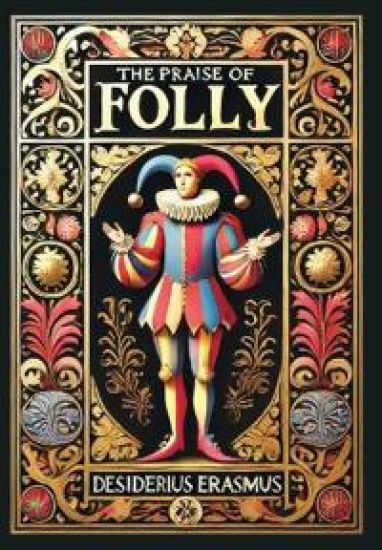
The Praise of Folly, a classical book, was published more than a century ago and has been considered important throughout the human history, and so that this work is never forgotten we at Alpha Editions have made efforts in its preservation by republishing this book in a modern format for present and future generations. This whole book has been reformatted, retyped and designed. These books are not made of scanned copies of their original work and hence the text is clear and readable.
In Praise of Folly

In Praise of Folly

Desiderius Erasmus

Ether Editions
2023
nidottu
NOT YOUR PROFESSOR'S FOLLY.Renaissance-era theologian Desiderius Erasmus (1466-1536) wrote In Praise of Folly in the early sixteenth century. A seminal work, it has remained in print ever since. In Praise of Folly first appeared in Latin and was eventually translated into various European languages. An English translation was rendered by clergyman White Kennett (1660-1728) in 1683. Kennett's text remained the standard English translation well into the 20th century. In 1925, Chicago publisher Pascal Covici brought out an edition of In Praise of Folly based on the Kennett translation. A work of many hands, the Covici Edition was limited to eleven hundred numbered copies and sold out quickly. Since then, it has been available only in libraries and in the antiquarian marketplace. The present work is based on the Covici Edition of 1925, includes revisions and corrections to the text, and retains the lengthy introduction entitled "In Praise of Erasmus," written by then Leader of the Chicago Ethical Society Horace J. Bridges. Also included are a selection of the original illustrations by Anthony Angarola, Hans Holbein, Gene Markey, and Paul L. McPharlin, and several other Holbein illustrations that accompanied previous editions of Erasmus' work. Arguably not your professor's Folly (though with all due respect, perhaps it should be), this edition of In Praise of Folly by Desiderius Erasmus is intended to reacquaint modern readers with one of the classics of Renaissance humanism.
Manual of a Christian Knight

Manual of a Christian Knight

Desiderius Erasmus

IngramSpark
2023
pokkari
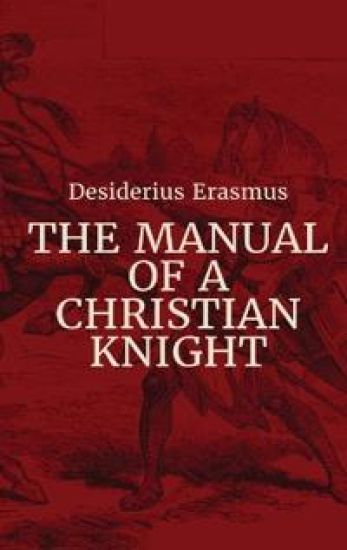
The Handbook of the Christian Knight (Latin: Enchiridion militis Christiani), sometimes translated as The Manual of the Christian Knight or The Handbook of the Christian Soldier, is a work written by Dutch scholar Erasmus of Rotterdam in 1501, and was first published in English in 1533 by William Tyndale.