Kirjojen hintavertailu. Mukana 12 595 353 kirjaa ja 12 kauppaa.

Kirjailija

Devin O. Pendas

Kirjat ja teokset yhdessä paikassa: 5 kirjaa, julkaisuja vuosilta 2010-2026, suosituimpien joukossa Der Auschwitz-Prozess. Vertaile teosten hintoja ja tarkista saatavuus suomalaisista kirjakaupoista.

Mukana myös kirjoitusasut: Devin O Pendas

5 kirjaa

Kirjojen julkaisuhaarukka 2010-2026.

Genocide in Comparative Perspective

Genocide in Comparative Perspective

Devin O Pendas

Bloomsbury Academic
2026
sidottu
Genocide in Comparative Perspective offers a concise introduction to genocide in modern world history. It emphasizes the transnational dimensions of the phenomenon, looking at the way in which victim and perpetrator groups have lived and died across borders and the way regional and international rivalries facilitated mass murder. The book explores genocide as a historical phenomenon, rather than a legal concept; it breaks new ground by moving beyond a simplistic, one-cause interpretation towards a more sophisticated model that considers both negligent and deliberate genocides of various types. Genocide in Comparative Perspective looks at a range of genocide case studies in order to provide students with comprehensive global coverage of the topic, including: - The Holocaust- Cambodia- Armenia- Indonesia- The Americas- Liberia- Sierra Leone- Central Africa- Stalinist Russia- Maoist China This book is the essential introduction to the history of genocide in one succinct, readable volume.
Genocide in Comparative Perspective

Genocide in Comparative Perspective

Devin O Pendas

Bloomsbury Academic
2026
pokkari
Genocide in Comparative Perspective offers a concise introduction to genocide in modern world history. It emphasizes the transnational dimensions of the phenomenon, looking at the way in which victim and perpetrator groups have lived and died across borders and the way regional and international rivalries facilitated mass murder. The book explores genocide as a historical phenomenon, rather than a legal concept; it breaks new ground by moving beyond a simplistic, one-cause interpretation towards a more sophisticated model that considers both negligent and deliberate genocides of various types. Genocide in Comparative Perspective looks at a range of genocide case studies in order to provide students with comprehensive global coverage of the topic, including: - The Holocaust- Cambodia- Armenia- Indonesia- The Americas- Liberia- Sierra Leone- Central Africa- Stalinist Russia- Maoist China This book is the essential introduction to the history of genocide in one succinct, readable volume.
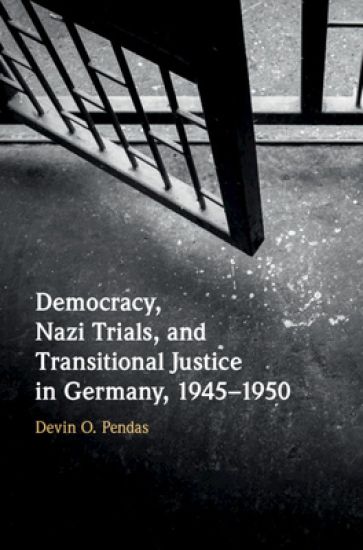
Democracy, Nazi Trials, and Transitional Justice in Germany, 1945–1950
Post-war Germany has been seen as a model of 'transitional justice' in action, where the prosecution of Nazis, most prominently in the Nuremberg Trials, helped promote a transition to democracy. However, this view forgets that Nazis were also prosecuted in what became East Germany, and the story in West Germany is more complicated than has been assumed. Revising received understanding of how transitional justice works, Devin O. Pendas examines Nazi trials between 1945 and 1950 to challenge assumptions about the political outcomes of prosecuting mass atrocities. In East Germany, where there were more trials and stricter sentences, and where they grasped a broad German complicity in Nazi crimes, the trials also helped to consolidate the emerging Stalinist dictatorship by legitimating a new police state. Meanwhile, opponents of Nazi prosecutions in West Germany embraced the language of fairness and due process, which helped de-radicalise the West German judiciary and promote democracy.
The Frankfurt Auschwitz Trial, 1963–1965

The Frankfurt Auschwitz Trial, 1963–1965

Devin O. Pendas

Cambridge University Press
2010
pokkari
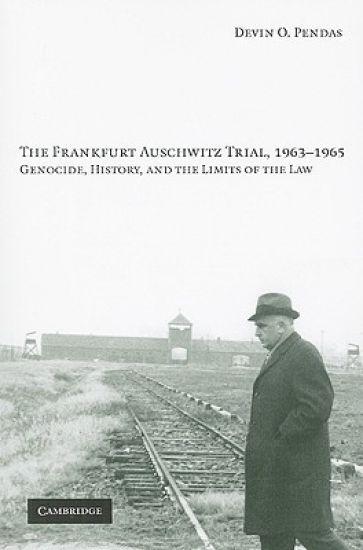
The Frankfurt Auschwitz trial was the largest, most public, and most important trial of Holocaust perpetrators conducted in West German courts. Drawing on a wide range of archival sources, Devin O. Pendas provides a comprehensive history of this momentous event. Situating the trial in a thorough analysis of West German criminal law, this book argues that in confronting systematic, state-sponsored genocide, the Frankfurt court ran up against the limits of law. Because many of the key categories of German criminal law were defined with direct reference to the specific motives of the defendants, the trial was unable to adequately grasp the deep social roots and systematic character of Nazi genocide. Much of the trial's significance came from the vast public attention it captured, and this book provides a compelling account of the divided response to the trial among the West German public.