Kirjojen hintavertailu. Mukana 12 595 353 kirjaa ja 12 kauppaa.

Kirjailija

Diana Wood

Kirjat ja teokset yhdessä paikassa: 5 kirjaa, julkaisuja vuosilta 2002-2016, suosituimpien joukossa Medieval Money Matters. Vertaile teosten hintoja ja tarkista saatavuus suomalaisista kirjakaupoista.

5 kirjaa

Kirjojen julkaisuhaarukka 2002-2016.

Medieval Money Matters

Medieval Money Matters

Diana Wood

Oxbow Books
2016
nidottu
If there is a central theme of this volume, it is the supply of money in circulation, rather than the importance of money, per se . It was this circulation that determined the movement of prices, of trade, and of credit - in short, it was this that underpinned the commercialisation of the economy, and therefore was the most important medieval money matter.
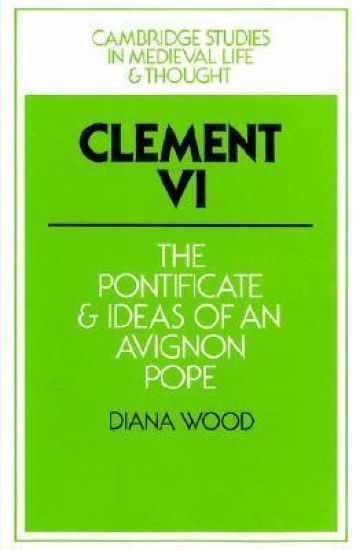
Clement VI

Clement VI

Diana Wood

Cambridge University Press
2003
pokkari
Which of the two sides of Clement prevailed the ‘official’ or the personal? The book attempts to answer this question by examining his ideas and actions in connection with some of the major issues of the reign: for example, his attempts to solve the problem of the ‘usurping’ emperor, Louis of Bavaria, through the appointment of Charles of Bohemia (Charles IV); to deal with a crisis in the Hundred Years War between France and England; to check Islamic expansion and to heal the Greek Schism; to curb the oligarchic challenge of those who thought that the papacy should be at Rome rather than at Avignon. Clement was a great orator and the book is based partly on his sermons, many of which are unpublished. It is the only study of an Avignon pope in English.
Medieval Economic Thought

Medieval Economic Thought

Diana Wood

Cambridge University Press
2002
sidottu
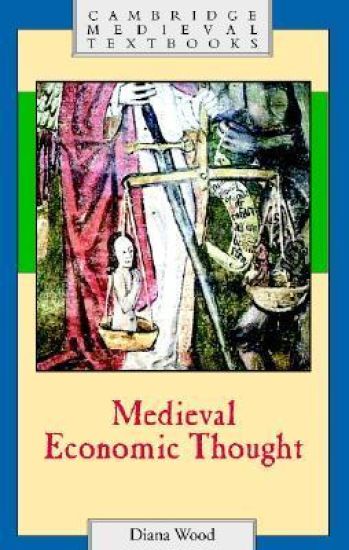
This book is an introduction to medieval economic thought, mainly from the twelfth to the fifteenth centuries, as it emerges from the works of academic theologians and lawyers and other sources - from Italian merchants' writings to vernacular poetry, Parliamentary legislation, and manorial court rolls. It raises a number of questions based on the Aristotelian idea of the mean, the balance and harmony underlying justice, as applied by medieval thinkers to the changing economy. How could private ownership of property be reconciled with God's gift of the earth to all in common? How could charity balance resources between rich and poor? What was money? What were the just price and the just wage? How was a balance to be achieved between lender and borrower and how did the idea of usury change to reflect this? The answers emerge from a wide variety of ecclesiastical and secular sources.
Medieval Economic Thought

Medieval Economic Thought

Diana Wood

Cambridge University Press
2002
pokkari
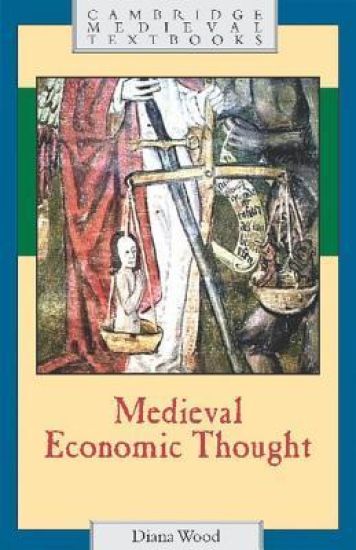
This book is an introduction to medieval economic thought, mainly from the twelfth to the fifteenth centuries, as it emerges from the works of academic theologians and lawyers and other sources - from Italian merchants’ writings to vernacular poetry, Parliamentary legislation, and manorial court rolls. It raises a number of questions based on the Aristotelian idea of the mean, the balance and harmony underlying justice, as applied by medieval thinkers to the changing economy. How could private ownership of property be reconciled with God’s gift of the earth to all in common? How could charity balance resources between rich and poor? What was money? What were the just price and the just wage? How was a balance to be achieved between lender and borrower and how did the idea of usury change to reflect this? The answers emerge from a wide variety of ecclesiastical and secular sources.