Kirjojen hintavertailu. Mukana 12 390 323 kirjaa ja 12 kauppaa.
Kirjailija
Diane Lapp
Kirjat ja teokset yhdessä paikassa: 13 kirjaa, julkaisuja vuosilta 2004-2024, suosituimpien joukossa Literacy in the Disciplines, First Edition. Vertaile teosten hintoja ja tarkista saatavuus suomalaisista kirjakaupoista.
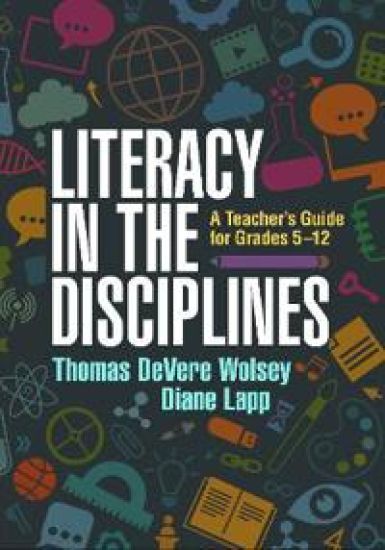
This successful guide--now in a revised and expanded second edition--gives teachers effective strategies to support adolescents' development of relevant literacy skills in specific disciplines. Demonstrating why disciplinary literacies matter, the authors discuss ways to teach close reading of complex texts; discipline-specific argumentation, communication, and writing skills; academic vocabulary; and more. The book draws on revealing interviews with content-area experts and professionals in history, science, mathematics, literature, the arts, and physical education. Teacher-friendly tools include 21 reproducible forms that also can be downloaded and printed, "Try It On" practice activities, lesson plans, chapter anticipation guides, and links to recommended online teaching videos. New to This Edition *Chapter on assessment. *Chapter on disciplinary literacies beyond school--in civic, professional, and personal life. *Expanded coverage of math, more attention to evidence and sources used in different disciplines, new and updated expert interviews, and advice on how both teachers and students can use AI tools productively. *Anticipation guides that invite reflection on key questions before, during, and after reading most chapters.
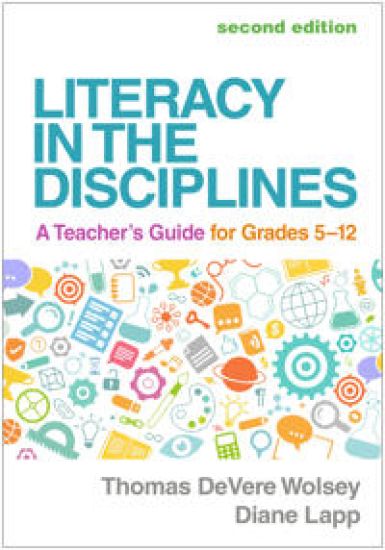
This successful guide--now in a revised and expanded second edition--gives teachers effective strategies to support adolescents' development of relevant literacy skills in specific disciplines. Demonstrating why disciplinary literacies matter, the authors discuss ways to teach close reading of complex texts; discipline-specific argumentation, communication, and writing skills; academic vocabulary; and more. The book draws on revealing interviews with content-area experts and professionals in history, science, mathematics, literature, the arts, and physical education. Teacher-friendly tools include 21 reproducible forms that also can be downloaded and printed, "Try It On!" practice activities, lesson plans, chapter anticipation guides, and links to recommended online teaching videos. New to This Edition *Chapter on assessment. *Chapter on disciplinary literacies beyond school--in civic, professional, and personal life. *Expanded coverage of math, more attention to evidence and sources used in different disciplines, new and updated expert interviews, and advice on how both teachers and students can use AI tools productively. *Anticipation guides that invite reflection on key questions before, during, and after reading most chapters.
This popular text, now in its Fourth Edition, introduces pre-service and in-service teachers to the most current theories and methods for teaching literacy to children in elementary schools. The methods presented are based on scientific findings that have been tested in many classrooms. A wealth of examples, hands-on activities, and classroom vignettes--including lesson plans, assessments, lists of children's literature books to fiction and nonfiction texts, and more--illustrate the methods and bring them to life.The text highlights the importance of teaching EVERY child to become competent in all of the nuances and complexities of reading, writing, and speaking.The value of reflection and peer discussion in learning to expand their students' literacies is emphasized. Readers are encouraged to reflect on their own experiences with reading and teaching throughout their lifetimes--experiences that will serve well in learning to teach reading. "Your Turn" boxes invite readers to think about their views of the material presented, and to talk with colleagues and teachers about their "best ways" of learning this new information. "Did You Notice?" boxes engage readers in observation and analysis of methods and classroom situations discussed in the text. Teachers' stories serve as models of successful teaching and to draw readers into professional dialogue about the ideas and questions raised. End-of-chapter questions and activities provide additional opportunities for reflection and discussion. All of these pedagogical features help readers expand and refine their knowledge in the most positive ways.Topics covered in Teaching Reading to Every Child, Fourth Edition:Getting to Know Your Students as Literacy Learners;Looking Inside Classrooms: Organizing Instruction;Assessing Reading Achievement;The Importance of Oral Language in Developing Literacy;Word Identification Strategies: Pathways to Comprehension;Vocabulary D
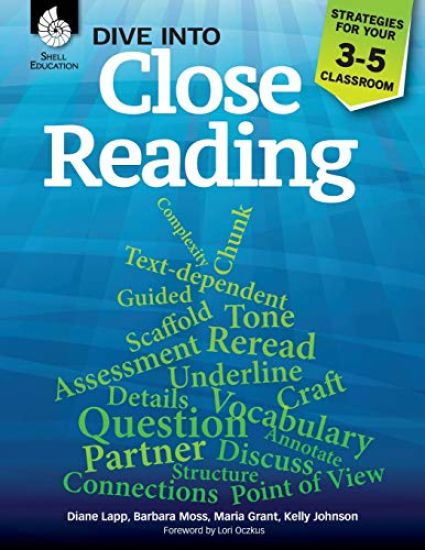
Explore the what, why, and how of close reading to give students in grades 3 5 the tools they need to be successful. In this must-have guide, teachers will learn the key elements of a close reading lesson as well as strategies for analyzing and selecting a text and how to support students based on their progress and performance. The included lesson template will allow teachers to not only use the provided lessons and texts but also create their own. Correlated to standards, this book includes grade-specific sample close reading lessons and digital copies of teacher and student resources.
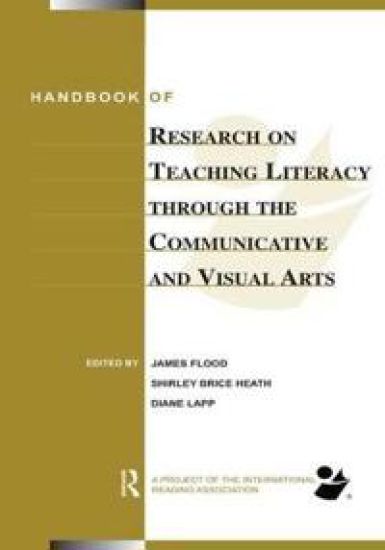
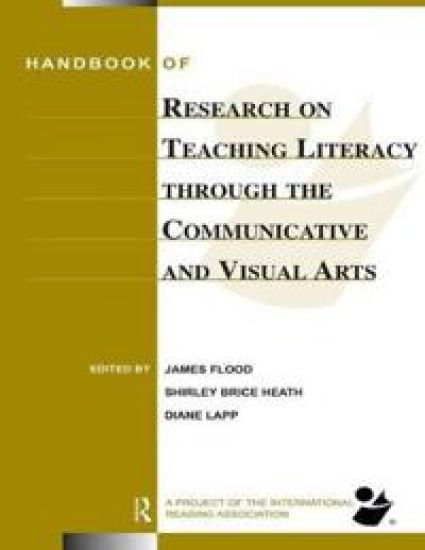
In an era characterized by the rapid evolution of the concept of literacy, the Handbook of Research on Teaching Literacy Through the Communicative and Visual Arts focuses on multiple ways in which learners gain access to knowledge and skills. The handbook explores the possibilities of broadening current conceptualizations of literacy to include the full array of the communicative arts (reading, writing, speaking, listening, viewing) and to focus on the visual arts of drama, dance, film, art, video, and computer technology. The communicative and visual arts encompass everything from novels and theatrical performances to movies and video games. In today's world, new methods for transmitting information have been developed that include music, graphics, sound effects, smells, and animations. While these methods have been used by television shows and multimedia products, they often represent an unexplored resource in the field of education. By broadening our uses of these media, formats, and genres, a greater number of students will be motivated to see themselves as learners. In 64 chapters, organized in seven sections, teachers and other leading authorities in the field of literacy provide direction for the future: I. Theoretical Bases for Communicative and Visual Arts Teaching Paul Messaris, Section Editor II. Methods of Inquiry in Communicative and Visual Arts Teaching Donna Alvermann, Section Editor III. Research on Language Learners in Families, Communities, and Classrooms Vicki Chou, Section Editor IV. Research on Language Teachers: Conditions and Contexts Dorothy Strickland, Section Editor V. Expanding Instructional Environments: Teaching, Learning, and Assessing the Communicative and Visual Arts Nancy Roser, Section Editor VI. Research Perspectives on the Curricular, Extracurricular, and Policy Perspectives James Squire, Section Editor VII. Voices from the Field Bernice Cullinan and Lee Galda, Section Editors The International Reading Association has compiled in the Handbook of Research on Teaching Literacy Through the Communicative and Visual Arts an indispensable set of papers for educators that will enable them to conceptualize literacy in much broader contexts than ever before. The information contained in this volume will be extremely useful in planning literacy programs for our students for today and tomorrow.
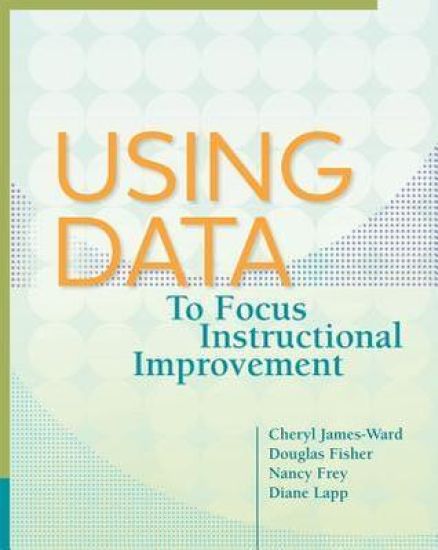
Data. Does the word make you cringe? Does it evoke feelings of guilt? Are you unsure how to distill it and use it effectively?Grab this book and learn how to empower yourself and your school community with information gleaned from your school's data. Experienced educators and authors offer simple instructions that can help focus school improvement efforts and result in increasing teacher expertise—a factor that positively affects the quality of life for students long after they have left the classroom. Accepting responsibility for such far-reaching influence requires educators to adopt instructional improvement as a standard by which a school needs to operate and as a means to collaborate and interact with one another. More than that, though, instructional improvement is an important component of successful schools.
This teacher-friendly guide is packed with motivating lessons designed to improve the content learning and literacy skills of English language learners (ELLs) in K-8. Offering research-supported strategies that teachers can implement immediately, the book explains how to use content-area texts to support ELLs' growth in five crucial areas: comprehension, pronunciation, fluency, vocabulary, and grammar. This hands-on volume is: *Unique: Demonstrates how to build ELLs' literacy skills and content knowledge simultaneously. *Effective: Research-supported strategies align with both TESOL and Common Core Standards. *Practical: More than two dozen worksheets for classroom use are presented in a large, easy-to-reproduce format.
This concise resource provides innovative new strategies for supporting English learners in elementary classrooms. The authors delve into the social, cultural, and linguistic backgrounds of English learners in American schools, and describe how to teach to each student's strengths and background knowledge. Each chapter provides examples from real classrooms where first, third, and fifth grade teachers are working to serve students from a wide variety of backgrounds. Guided by up-to-date research on disciplinary literacy, these expert authors provide a meaningful guide to integrating best-practices for English learners across content areas - science, mathematics, and social studies - while fostering high levels of academic proficiency.
The Handbook of Research on Teaching Literacy Through the Communicative and Visual Arts, Volume II brings together state-of-the-art research and practice on the evolving view of literacy as encompassing not only reading, writing, speaking, and listening, but also the multiple ways through which learners gain access to knowledge and skills. It forefronts as central to literacy education the visual, communicative, and performative arts, and the extent to which all of the technologies that have vastly expanded the meanings and uses of literacy originate and evolve through the skills and interests of the young.A project of the International Reading Association, published and distributed by Routledge/Taylor & Francis. Visit http://www.reading.org for more information about Internationl Reading Associationbooks, membership, and other services.
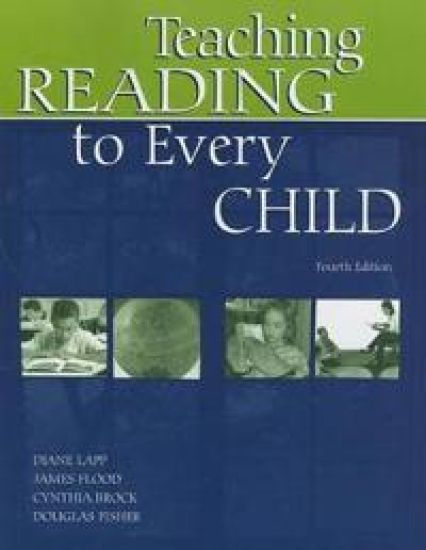
This popular text, now in its Fourth Edition, introduces pre-service and in-service teachers to the most current theories and methods for teaching literacy to children in elementary schools. The methods presented are based on scientific findings that have been tested in many classrooms. A wealth of examples, hands-on activities, and classroom vignettes--including lesson plans, assessments, lists of children's literature books to fiction and nonfiction texts, and more--illustrate the methods and bring them to life.The text highlights the importance of teaching EVERY child to become competent in all of the nuances and complexities of reading, writing, and speaking.The value of reflection and peer discussion in learning to expand their students' literacies is emphasized. Readers are encouraged to reflect on their own experiences with reading and teaching throughout their lifetimes--experiences that will serve well in learning to teach reading. "Your Turn" boxes invite readers to think about their views of the material presented, and to talk with colleagues and teachers about their "best ways" of learning this new information. "Did You Notice?" boxes engage readers in observation and analysis of methods and classroom situations discussed in the text. Teachers' stories serve as models of successful teaching and to draw readers into professional dialogue about the ideas and questions raised. End-of-chapter questions and activities provide additional opportunities for reflection and discussion. All of these pedagogical features help readers expand and refine their knowledge in the most positive ways.Topics covered in Teaching Reading to Every Child, Fourth Edition:*Getting to Know Your Students as Literacy Learners;*Looking Inside Classrooms: Organizing Instruction;*Assessing Reading Achievement;*The Importance of Oral Language in Developing Literacy;*Word Identification Strategies: Pathways to Comprehension;*Vocabulary Development;*Comprehension Instruction: Strategies At Work;*Content Area Learning;*What the Teacher Needs to Know to Enable Students' Text Comprehension;*Writing: Teaching Students to Encode and Compose;*Discovering the World Through Literature;*Technology and Media in Reading;*Teaching Reading to Students Who Are Learning English;*All Students are Special: Some Need Supplemental Supports and Services to Be Successful; and*Historical Perspectives on Reading and Reading Instruction.New in the Fourth Edition:*A new chapter on technology with state-of-the-art applications;*A new chapter with the most up-to-date information on how vocabulary is learned and on how it is best taught, responding to the national renewed interest in vocabulary instruction;*A new section on Readers/Writer's workshop with a focus on supporting student inquiry and exploration of multiple genres;*A more comprehensive chapter on literature instruction and the role of literature in the reading program with examples that support students' multigenre responses;*A discussion of literary theories with examples for classroom implementation;*Broader coverage of the phases of reading development from the pre-alphabetic stage to the full alphabetic stage;*A more inclusive chapter on writing instruction; and*A thoroughly revised chapter on teaching reading to students who are learning English, including extensive information on assessment and evaluation.
In an era characterized by the rapid evolution of the concept of literacy, the Handbook of Research on Teaching Literacy Through the Communicative and Visual Arts focuses on multiple ways in which learners gain access to knowledge and skills. The handbook explores the possibilities of broadening current conceptualizations of literacy to include the full array of the communicative arts (reading, writing, speaking, listening, viewing) and to focus on the visual arts of drama, dance, film, art, video, and computer technology. The communicative and visual arts encompass everything from novels and theatrical performances to movies and video games. In today's world, new methods for transmitting information have been developed that include music, graphics, sound effects, smells, and animations. While these methods have been used by television shows and multimedia products, they often represent an unexplored resource in the field of education. By broadening our uses of these media, formats, and genres, a greater number of students will be motivated to see themselves as learners. In 64 chapters, organized in seven sections, teachers and other leading authorities in the field of literacy provide direction for the future: I. Theoretical Bases for Communicative and Visual Arts Teaching Paul Messaris, Section Editor II. Methods of Inquiry in Communicative and Visual Arts Teaching Donna Alvermann, Section Editor III. Research on Language Learners in Families, Communities, and Classrooms Vicki Chou, Section Editor IV. Research on Language Teachers: Conditions and Contexts Dorothy Strickland, Section Editor V. Expanding Instructional Environments: Teaching, Learning, and Assessing the Communicative and Visual Arts Nancy Roser, Section Editor VI. Research Perspectives on the Curricular, Extracurricular, and Policy Perspectives James Squire, Section Editor VII. Voices from the Field Bernice Cullinan and Lee Galda, Section Editors The International Reading Association has compiled in the Handbook of Research on Teaching Literacy Through the Communicative and Visual Arts an indispensable set of papers for educators that will enable them to conceptualize literacy in much broader contexts than ever before. The information contained in this volume will be extremely useful in planning literacy programs for our students for today and tomorrow.