Kirjojen hintavertailu. Mukana 12 595 353 kirjaa ja 12 kauppaa.

Kirjailija

Dilip Kumar

Kirjat ja teokset yhdessä paikassa: 34 kirjaa, julkaisuja vuosilta 2011-2024, suosituimpien joukossa AEROPONIC TECHNOLOGY: Blessing, Curse & Automation. Vertaile teosten hintoja ja tarkista saatavuus suomalaisista kirjakaupoista.

34 kirjaa

Kirjojen julkaisuhaarukka 2011-2024.

Modellierung Des Verteilten Regenabflusses Mit Wms Und Hec-HMS

Modellierung Des Verteilten Regenabflusses Mit Wms Und Hec-HMS

Dilip Kumar; R K Bhattacharjya

Verlag Unser Wissen
2021
pokkari
Das Regen-Abfluss-Modell ist eines der am h ufigsten verwendeten Ereignisse in der Hydrologie. Es bestimmt das Abflusssignal, das das Wassereinzugsgebiet verl sst, aus dem vom Becken empfangenen Niederschlagssignal. In der vorliegenden Studie wird ein verteilter Ansatz entwickelt, um den Niederschlags-Abflussprozess eines Einzugsgebietes zu simulieren. Das Einzugsgebiet wurde in so viele Teilgebiete aufgeteilt, dass die Anzahl der Teilgebiete der Anzahl der Regenmessstationen entspricht. Es wird auch ein Klumpenmodell entwickelt, das den durchschnittlichen Niederschlag des Einzugsgebiets verwendet. Im Falle eines Klumpenmodells wird der durchschnittliche Niederschlag mit der Methode des thessischen Polygons berechnet. Um den Abfluss aus Niederschlagsereignissen abzusch tzen, m ssen Verlustrate oder Versickerungsparameter f r das Einzugsgebiet berechnet werden, was ein grundlegender Input f r die weitere Niederschlags-Abfluss-Modellierung ist. Die Versickerungskapazit t des Beckens h ngt von der Landnutzung und den Bodeneigenschaften ab. Daher erfolgt zun chst die Absch tzung der Versickerungsparameter oder der Kurvenzahl des Beckens. Zur Absch tzung der Kurvenzahlen f r das Klumpen- und das verteilte Modell wird ein inverses Modell formuliert und gel st.
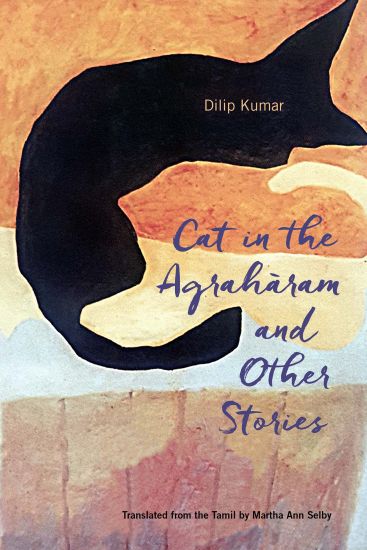
The Cat in the Agraharam and Other Stories

The Cat in the Agraharam and Other Stories

Dilip Kumar

Northwestern University Press
2020
nidottu
This collection of stories from celebrated author Dilip Kumar offers a distinct perspective on everyday life in the South Indian cities of Coimbatore and Chennai. The stories set in the Sowcarpet neighborhood of Chennai give readers a glimpse into the orthodox world of Gujarati Vaishnavas, transplants from the northwestern region of Kutch, who find themselves living usually at odds—and occasionally in harmony—with the Tamil-speaking community. The volume is introduced by its award-winning translator, Martha Ann Selby, who worked closely with the author. The universal appeal of these stories is rooted in their utterly truthful local specificity as they explore complex themes of abduction and restoration, humiliation and despair, and related issues of identity and wholeness. Known by Tamil readers for his description and detail, Kumar also writes with humor and a deep compassion for his characters, highlighting their strengths in the face of degradation and strife. His perspective and insight build on his own status as a northerner in this southern setting for whom Tamil is a second language—much like his characters.
Spatial Information Technology for Sustainable Development Goals

Spatial Information Technology for Sustainable Development Goals

Dilip Kumar; R.B. Singh; Ranjeet Kaur

Springer International Publishing AG
2019
sidottu
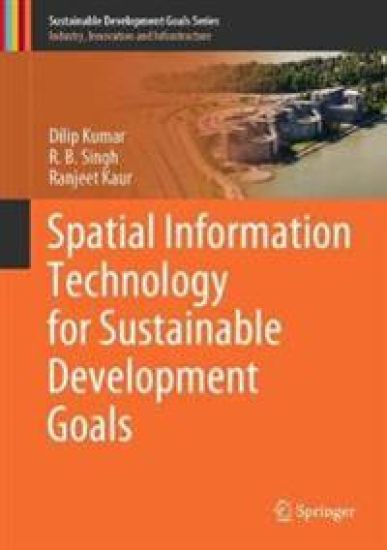
This textbook aims to develop a scientific knowledge base on spatial information technology to communicate the United Nations' Sustainable Development Goals (SDGs) among students, researchers, professionals and laymen. The book improves understanding of the spatial database and explains how to extract information from this for planning purposes. To enhance the knowledge of geoscientists and environmentalists, the book describes the basic fundamental concepts to advance techniques for spatial data management and analysis and discusses the methodology. The Geographic Information System (GIS), remote sensing and Global Positioning System (GPS) are presented in an integrated manner for the planning of resources and infrastructure. The management of these systems is discussed in a very lucid way to develop the reader's skills. The proper procedure for map making and spatial analysis are included along with case studies to the reader. Where thefirst part of the book discusses the conceptual background, the second part deals with case studies using these applications in different disciplines. The presented case studies include land use, agriculture, flood, watershed characterization and infrastructure assessment for the Sustainable Development Goals.
Sustainable Management of Coal Preparation

Sustainable Management of Coal Preparation

Dilip Kumar; Deepak Kumar

Woodhead Publishing
2018
nidottu
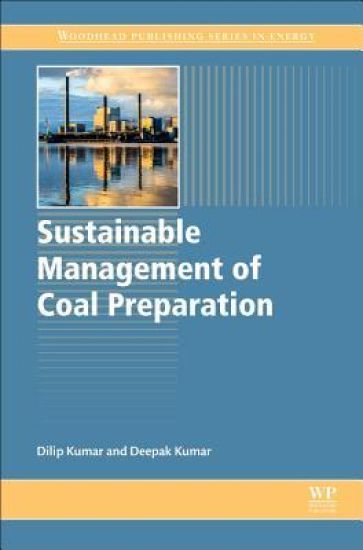
Sustainable Management of Coal Preparation explains both the upstream and downstream of coal preparation, stressing clean coal technologies for coal utilization. It not only discusses the sustainability of coal preparation, but also considers the governance and management issues that come with fulfilling economic, social and environmental obligations of a sustainable mining operation. Divided in three parts, the book explains the preparation of coking and non-coking coal, clean technologies, the principles of sustainable management and emerging management issues. The inclusion of case studies also provides a practical perspective for the planning and design of coal preparation activities and environmental management.
Management of Coking Coal Resources

Management of Coking Coal Resources

Dilip Kumar; Deepak Kumar

Elsevier Science Publishing Co Inc
2015
nidottu
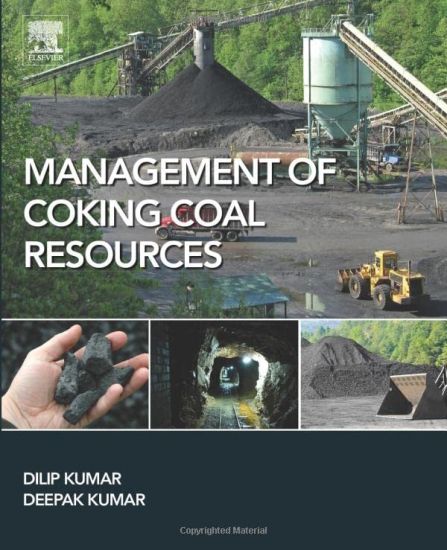
Management of Coking Coal Resources provides a one-stop reference that focuses on sustainable mining practices using a four-point approach that includes the economical, governmental, societal, and environmental aspects of coal exploration, coking coal mining, and steelmaking applications. This type of approach galvanizes the excavation, processing methods, and end uses of coal as an energy and steelmaking source, thus ensuring that the supply of coking coal meets the future demands of the rapidly expanding economies in India and other developing countries. The book provides information on the strategic planning and revitalization of India's Jharia coalfield, addressing actionable plans for methods of extraction, master plans for mine fires, subsidence management, land use planning, and sustainable mining. Users will find a multidisciplinary reference that presents the broad range of applications, techniques, and methodologies used in maintaining coking coal quality from exploration through extraction.