Kirjojen hintavertailu. Mukana 12 595 353 kirjaa ja 12 kauppaa.

Kirjailija

Dina Esfandiary

Kirjat ja teokset yhdessä paikassa: 5 kirjaa, julkaisuja vuosilta 2016-2023, suosituimpien joukossa Hybrid Actors. Vertaile teosten hintoja ja tarkista saatavuus suomalaisista kirjakaupoista.

5 kirjaa

Kirjojen julkaisuhaarukka 2016-2023.

Hybrid Actors

Hybrid Actors

Thanassis Cambanis; Dina Esfandiary; Sima Ghaddar; Michael Wahid Hanna; Aron Lund; Renad Mansour

The Century Foundation
2019
nidottu
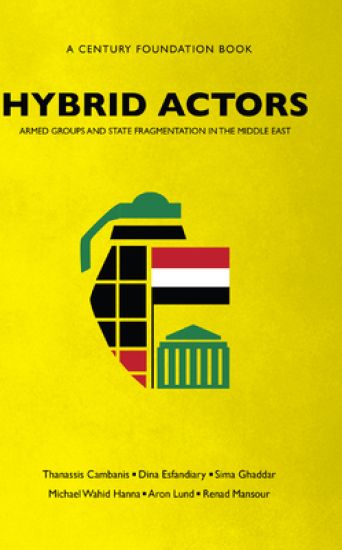
Influential armed groups continue to confound policymakers, diplomats, and analysts decades after their transformational arrival on the scene in the Middle East and North Africa. The most effective of these militias can most usefully be understood as hybrid actors, which simultaneously work through, with, and against the state.This joint report from The Century Foundation identifies the factors that make some hybrid actors persistent and successful, as measured by longevity, influence, and ability to project power militarily as well as politically. It finds that three factors correlate most closely with impact: constituent loyalty, resilient state relationships, and coherent ideology.The authors of this report examined cases in Lebanon, Syria, and Iraq, drawing on years of fieldwork, to distinguish hybrid actors, classic nonstate proxies, and aspirants to statehood?all of which merit different analytical and policy treatment. The report demonstrates the ways that groups can shift along a spectrum as they adapt to changing conditions.
New Order in the Gulf

New Order in the Gulf

Dina Esfandiary

BLOOMSBURY PUBLISHING PLC
2023
sidottu
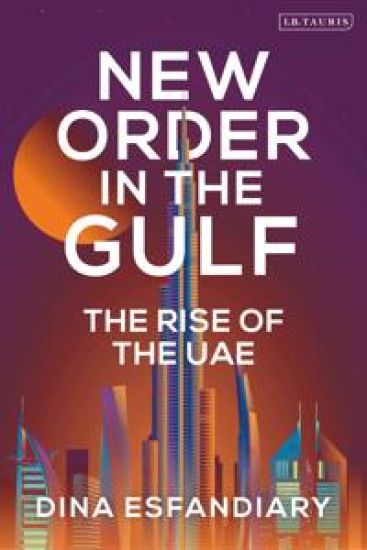
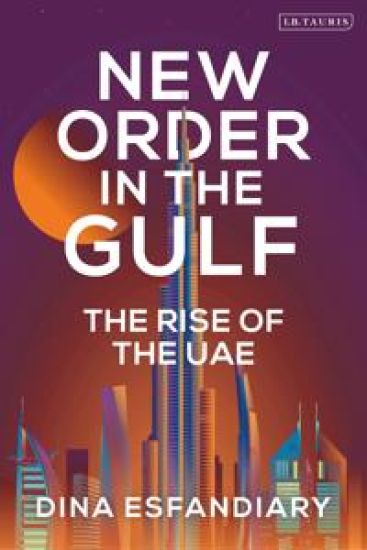
For over a decade now, thinking on regional relations in the Gulf has focused on the competition for regional hegemony between Iran and Saudi Arabia. Today, this perspective is outdated. The smaller Gulf Arab states, led by the United Arab Emirates, are calling for their own goals and interests to be considered and a new regional order has emerged. This book asesses the UAE’s increasing power and the future challenges to security it poses. It is a contemporary history and analysis of the changing role of the UAE. Dina Esfandiary argues that the UAE has become more assertive in the pursuit of its own interests in the region and beyond - even when this puts it at odds with its regional allies. This behavior includes the build-up of its military and non-military capabilities, the diversification of its partners, and its willingness to use these resources. The book examines the regional causes of the UAE’s growing assertiveness - especially the 2011 Arab Uprisings – as well as the international context such as the impact of the US-announced ‘Pivot to Asia’, the perceptions of waning US power in the Middle East, and the 2015 nuclear deal. The UAE’s changing role in the region will profoundly affect regional security. This book points towards how smaller states in the region will interact with regional hegemons in the long term, as they learn from the UAE’s assertiveness and seek to imitate it.
New Order in the Gulf

New Order in the Gulf

Dina Esfandiary

BLOOMSBURY PUBLISHING PLC
2023
nidottu
For over a decade now, thinking on regional relations in the Gulf has focused on the competition for regional hegemony between Iran and Saudi Arabia. Today, this perspective is outdated. The smaller Gulf Arab states, led by the United Arab Emirates, are calling for their own goals and interests to be considered and a new regional order has emerged. This book asesses the UAE’s increasing power and the future challenges to security it poses. It is a contemporary history and analysis of the changing role of the UAE. Dina Esfandiary argues that the UAE has become more assertive in the pursuit of its own interests in the region and beyond - even when this puts it at odds with its regional allies. This behavior includes the build-up of its military and non-military capabilities, the diversification of its partners, and its willingness to use these resources. The book examines the regional causes of the UAE’s growing assertiveness - especially the 2011 Arab Uprisings – as well as the international context such as the impact of the US-announced ‘Pivot to Asia’, the perceptions of waning US power in the Middle East, and the 2015 nuclear deal. The UAE’s changing role in the region will profoundly affect regional security. This book points towards how smaller states in the region will interact with regional hegemons in the long term, as they learn from the UAE’s assertiveness and seek to imitate it.
Triple-Axis

Triple-Axis

Ariane Tabatabai; Dina Esfandiary

I.B. Tauris
2021
nidottu
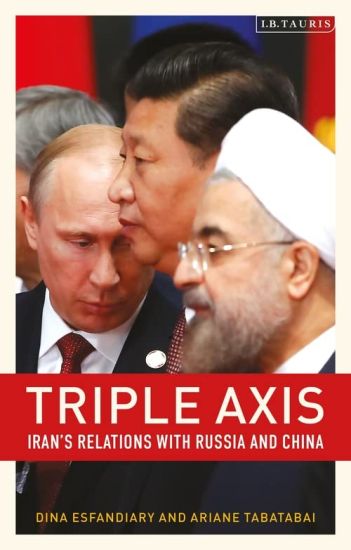
The most significant challenge to the post-Cold War international order is the growing power of ambitious states opposed to the West. Iran, Russia and China each view the global structure through the prism of historical experience. Rejecting the universality of Western liberal values, these states and their governments each consider the relative decline of Western economic hegemony as an opportunity. Yet cooperation between them remains fragmentary. The end of Western sanctions and the Iranian nuclear deal; the Syrian conflict; new institutions in Central and East Asia: in all these areas and beyond, the potential for unity or divergence is striking. In this comprehensive study, Ariane Tabatabai and Dina Esfandiary address the substance of this `triple axis' in the realms of energy, trade, and military security. In particular they scrutinise Iran-Russia and the often overlooked field of Iran-China relations. Their argument - that interactions between the three will shape the world stage for decades to come - will be of interest to anyone looking to understand the contemporary international security puzzle.
Living on the Edge

Living on the Edge

Wyn Bowen; Matthew Moran; Dina Esfandiary

Palgrave Macmillan
2016
sidottu
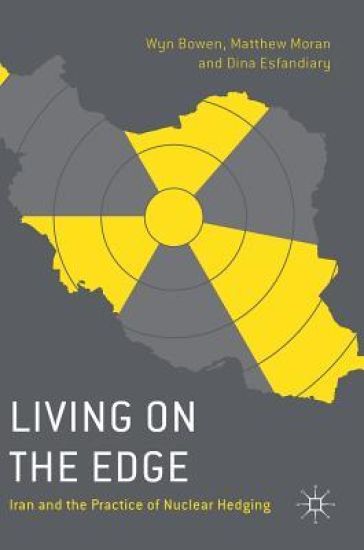
In this book, the authors explore the controversial Iranian nuclear programme through the conceptual lens of nuclear hedging. In 2002, revelations regarding undeclared nuclear facilities thrust Iran’s nuclear activities under the spotlight and prompted concerns that Tehran was pursuing nuclear weapons. Iran has always denied nuclear weapons aspirations, yet it cannot be disputed that the Islamic Republic has gone well beyond what is required for a civil nuclear programme based on energy production and scientific research. What, then, is the nature and significance of Iran's nuclear behaviour? Does it form part of a coherent strategy? What can Iran's actions in the nuclear field tell us about Tehran's intentions? And what does the Iranian case teach us about proliferation behaviour more generally? This book addresses these questions by exploring the nature of nuclear hedging and how this approach might be identified, before applying this logic to the Iranian case. It provides fresh insights into the inherently opaque area of nuclear proliferation and a more nuanced interpretation of the Iranian nuclear challenge.