

Kirjailija
Dominic Murphy
Kirjat ja teokset yhdessä paikassa: 4 kirjaa, julkaisuja vuosilta 2012-2026, suosituimpien joukossa Culture and Addiction. Vertaile teosten hintoja ja tarkista saatavuus suomalaisista kirjakaupoista.
4 kirjaa
Kirjojen julkaisuhaarukka 2012-2026.

Averting justice is the worst option for anyone caught in the crosshairs of the Deacon Board. A secret organization which breeds next level men, trained to hone in so deep into their abilities, they are often mistaken as super human. For generations, the Deacon Board has met evil in the shadows and upheld the law of morality in the war between good and evil. Under the direction of God, they've mastered the art of reckoning problems without a trace. For criminals who continually elude the law, the Deacon Board is tactically relentless, fearfully efficient, and consistently lethal. 25 to life is better than a visit from the Deacon Board. If you find yourself on the deacon's list, your choice is 'confess or else'. Pray you choose wisely.
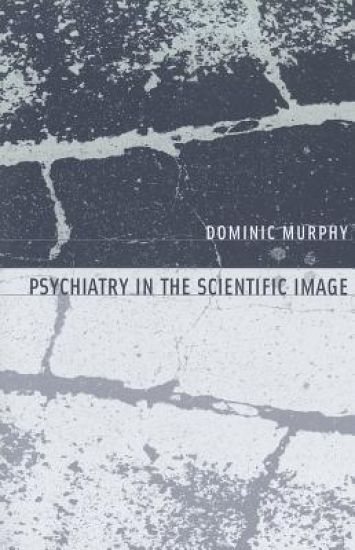
An analysis of the understanding, classification, and explanation of mental disorders that proposes that psychiatry adopt the best practices of the cognitive sciences.In Psychiatry in the Scientific Image, Dominic Murphy looks at psychiatry from the viewpoint of analytic philosophy of science, considering three issues: how we should conceive of, classify, and explain mental illness. If someone is said to have a mental illness, what about it is mental? What makes it an illness? How might we explain and classify it? A system of psychiatric classification settles these questions by distinguishing the mental illnesses and showing how they stand in relation to one another. This book explores the philosophical issues raised by the project of explaining and classifying mental illness.Murphy argues that the current literature on mental illness-exemplified by the Diagnostic and Statistical Manual of Mental Disorders-is an impediment to research; it lacks a coherent concept of the mental and a satisfactory account of disorder, and yields too much authority to commonsense thought about the mind. He argues that the explanation of mental illness should meet the standards of good explanatory practice in the cognitive neurosciences, and that the classification of mental disorders should group symptoms into conditions based on the causal structure of the normal mind.