Kirjojen hintavertailu. Mukana 12 116 418 kirjaa ja 12 kauppaa.

Kirjailija

Don Bialostosky

Kirjat ja teokset yhdessä paikassa: 2 kirjaa, julkaisuja vuosilta 2017-2025, suosituimpien joukossa Woven Fabric Design and Technology. Vertaile teosten hintoja ja tarkista saatavuus suomalaisista kirjakaupoista.

2 kirjaa

Kirjojen julkaisuhaarukka 2017-2025.

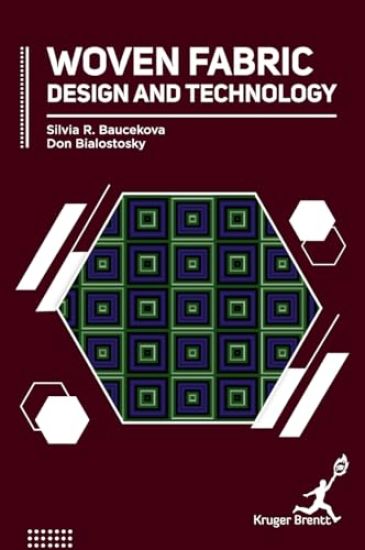
Woven Fabric Design and Technology

Woven Fabric Design and Technology

Silvia R Baucekova; Don Bialostosky

Kruger Brentt Publisher UK. LTD.
2025
sidottu
Fundamentals of Woven Fabric: Provide an overview of the fundamental principles of woven fabric design and technology, including yarn types, fabric structures, weaving techniques, and the properties of woven fabrics. Woven Fabric Design Process: Discuss the design process for woven fabrics, including conceptualization, pattern development, fabric sampling, and prototyping, as well as the use of computer-aided design (CAD) software and digital weaving technologies in the design process. Fabric Structure and Performance: Explore the relationship between fabric structure and performance characteristics such as strength, durability, drape, hand feel, and appearance, and discuss strategies for optimizing fabric properties through design and construction techniques. Quality Control and Testing: Address quality control measures and testing procedures for woven fabrics, including fabric inspection, testing for fabric properties (e.g., tensile strength, abrasion resistance, colorfastness), and compliance with industry standards and regulations. Applications and Market Trends: Explore applications of woven fabrics across various industries and sectors, including apparel and fashion, home textiles, technical textiles, automotive interiors, and aerospace engineering, and discuss current market trends and opportunities for innovation in woven fabric design and technology.
How to Play a Poem

How to Play a Poem

Don Bialostosky

University of Pittsburgh Press
2017
nidottu
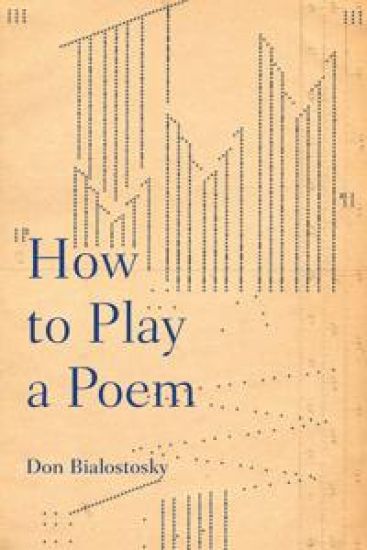
Approaching poems as utterances designed and packaged for pleasurable reanimation, How to Play a Poem leads readers through a course that uses our common experience of language to bring poems to life. It mobilizes the speech genres we acquire in our everyday exchanges to identify "signs of life" in poetic texts that can guide our co-creation of tone. How to Play a Poem draws on ideas from the Bakhtin School, usually associated with fiction rather than poetry, to construct a user-friendly practice of close reading as an alternative to the New Critical formalism that still shapes much of teaching and alienates many readers. It sets aside stock questions about connotation and symbolism to guide the playing out of dynamic relations among the human parties to poetic utterances, as we would play a dramatic script or musical score. How to Play a Poem addresses critics ready to abandon New Criticism, teachers eager to rethink poetry, readers eager to enjoy it, and students willing to give it a chance, inviting them to discover a lively and enlivening way to animate familiar and unfamiliar poems.