Kirjojen hintavertailu. Mukana 12 657 676 kirjaa ja 12 kauppaa.

Kirjailija

Donald Frazier

Kirjat ja teokset yhdessä paikassa: 2 kirjaa, julkaisuja vuosilta 1998-2003, suosituimpien joukossa What I Learned on the Ranch. Vertaile teosten hintoja ja tarkista saatavuus suomalaisista kirjakaupoista.

2 kirjaa

Kirjojen julkaisuhaarukka 1998-2003.

What I Learned on the Ranch

What I Learned on the Ranch

James Bruce Frazier; Donald Frazier

McWhiney Foundation Press
2003
sidottu
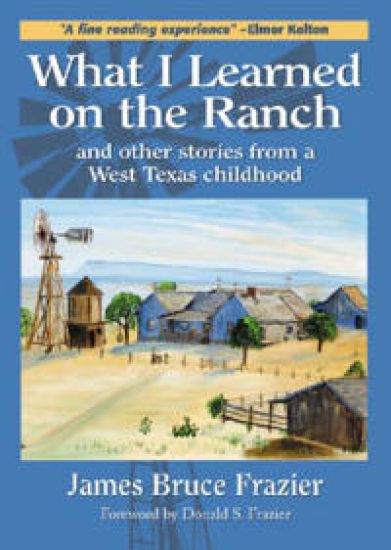
Despite the Depression, James Bruce Frazier spent the best years of his childhood on the Cross Ell Ranch just west of Big Spring. Years later, as he reflected on those days, he began writing down the experiences he had, the people he met, and the lessons he learned. The stories were passed along to his children and then to his grandchildren and then his great-grandchildren. Frazier died in 1989 at the age of sixty-five, but his stories are as vivid and fresh and colorful as the day he wrote them. His stories touch all the emotions, making the reader laugh out loud one moment as Frazier recalls his first haircut and fight back tears as Frazier tells about his pet riding calf. The author proves himself to be more than just a good storyteller. He finds in the experiences important truths, morals, and meanings that are as valid today as they were then. We asked the great Western author Elmer Kelton to look over this volume, and he was exuberant in his praise. ""I thoroughly enjoyed the Frazier book,"" he said. ""I read it all the way through yesterday afternoon and evening, something I don't always do with manuscripts people send me. I found many parallels with my own experience.
Cottonclads!

Cottonclads!

Donald Frazier; Grady McWhiney

McWhiney Foundation Press
1998
nidottu
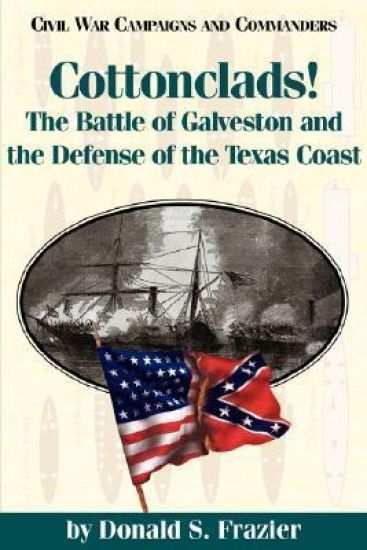
1862. Admiral David Farragut orders enclaves to be established in Texas as part of the Federal blockade. This involves attempts against Corpus Christi, Sabine Pass, Galveston, and Port Lavaca. By the end of the year Federal troops reduce the defenses of Sabine Pass and occupy Galveston, the state's principal port. However, the gains prove tenuous. While Federal sailors await Union infantry reinforcements, the Confederates, under Gen. John B. Magruder, seize the initiative. They organize a makeshift fleet of "cottonclads"--lightly armed and armored, but good platforms for sharpshooters--and boldly attack the Union fleet whenever it lies close to shore. Meanwhile, Confederate troops bombard from land. Ultimately, this counterattack results in the destruction or capture of four Union warships and three supply vessels and temporarily lifts the blockade. A lively account of innovative and daring tactics against superior forces by a dynamic historian.