Kirjojen hintavertailu. Mukana 12 595 353 kirjaa ja 12 kauppaa.
Kirjailija
Donna E. Alvermann
Kirjat ja teokset yhdessä paikassa: 4 kirjaa, julkaisuja vuosilta 2005-2017, suosituimpien joukossa Adolescents and Literacies in a Digital World. Vertaile teosten hintoja ja tarkista saatavuus suomalaisista kirjakaupoista.
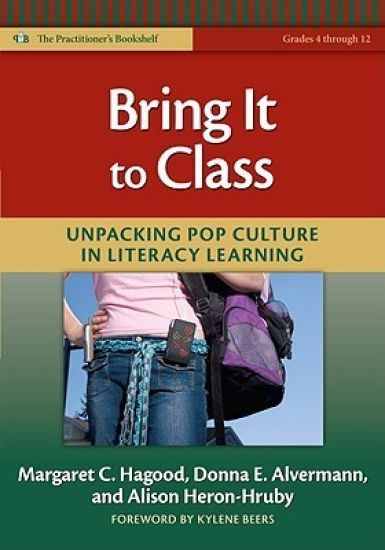
This book is written for teachers, researchers, and theorists who have grown up in a world radically different from that of the students they teach and study. It considers the possibilities involved in teaching critical media literacy using popular culture, and explore what such teaching might look like in your classroom. Published by International Reading Association
Students’ backpacks bulge not just with oversize textbooks, but with paperbacks, graphic novels, street lit, and electronics such as iPods and handheld video games. This book is about unpacking those texts to explore previously unexamined assumptions regarding their usefulness to classroom learning. With a strong theoretical grounding and many practical examples, the authors speak to both skeptical instructors who favor traditional canonical literature and to technology enthusiasts who already use popular music or video in their classrooms. Each chapter includes teacher, administrator, media specialist, librarian, and student voices; classroom activities; adaptable lessons; and professional study-group questions.Bring It to Class features: A researched rationale for using pop culture in middle school and secondary classrooms as well as school libraries and media centers. Field-tested teaching approaches that will connect adolescents with school-based learning and motivate their literacy practices in and out of class. An easy-to-use format that includes classroom vignettes, sample lessons, and a glossary of key terms.
This book presents an evidence-based framework for understanding the literacy needs of adolescents. The premise is that educators and other critical stakeholders need to understand evidence-based principles in order to develop effective curriculum to meet the needs of diverse learners. Recommendations are provided for middle and secondary education, professional development, teacher education research and policy.At the center of the book are Eight Guiding Principles developed by the authors through a process that included an extensive review of research and policy literature in literacy and related fields, a comparison of National Standards documents, and visits to the classrooms of 28 middle and high school teachers across the United States. The Principles are broad enough to encompass a variety of contexts and student needs, yet specific enough to offer real support to those involved in program development or policy decisions. They provide an overarching structure that districts and teachers can use to develop site-specific curriculum that is both research-based and designed to meet the needs of the learners for whom they are responsible.Important Text Features: Organized to help readers understand empirically supported principles of practice that can be used to address literacy concerns in today's schools, each chapter that addresses one of the eight Principles follows a similar format:* The Principle is presented along with a brief explanation of the research base and a sample of national standards that support it.* One or more case examples spanning a wide variety of disciplines, grade levels, and local conditions - provide an in-depth look at the Principle in action.* A well-known adolescent literacy expert offers a response to each case example, giving readers an informed view of the importance of the Principle, how it is enacted in the cases, and examples of other work related to the Principle. Discussion questions are provided that can be used for individual reflection or group discussion.Principled Practices for Adolescent Literacy is intended as a text for pre-service and in-service upper-elementary, middle and high school literacy methods courses and graduate courses related to adolescent literacy, and as a resource for school district personnel, policymakers and parents.
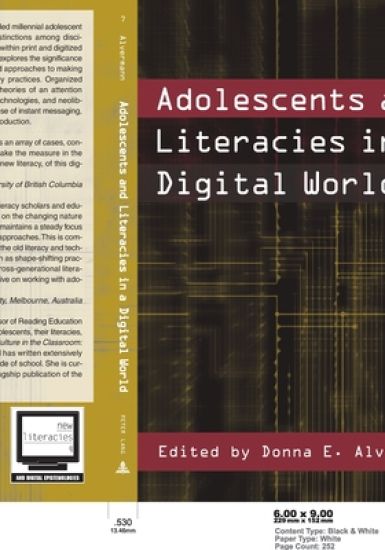
By embracing a rapidly changing digital world, the so-called millennial adolescent is proving quite adept at breaking down age-old distinctions among disciplines, between high- and low-brow media culture, and within print and digitized text types. Adolescents and Literacies in a Digital World explores the significance of digital technologies and media in youth's negotiated approaches to making meaning within a broad array of self-defined literacy practices. Organized around a series of case studies, this book blends theories of an attention economy, generational differences, communication technologies, and neoliberal enactive texts with actual accounts of adolescents' use of instant messaging, shape-shifting portfolios, critical inquiry, and media production.