Kirjojen hintavertailu. Mukana 12 595 353 kirjaa ja 12 kauppaa.

Kirjailija

Dora Thornton

Kirjat ja teokset yhdessä paikassa: 5 kirjaa, julkaisuja vuosilta 2002-2015, suosituimpien joukossa A Rothschild Renaissance. Vertaile teosten hintoja ja tarkista saatavuus suomalaisista kirjakaupoista.

5 kirjaa

Kirjojen julkaisuhaarukka 2002-2015.

A Rothschild Renaissance

A Rothschild Renaissance

Dora Thornton

British Museum Press
2015
sidottu
This book presents and explores the Waddesdon Bequest, the name given to the Kunstkammer or cabinet collection of Renaissance treasures which was bequeathed to the British Museum by Baron Ferdinand de Rothschild, MP in 1898. The Bequest is named after Waddesdon Manor in Buckinghamshire, a fairy tale French chateau built by Baron Ferdinand from 1874 – 83, where the collection was housed during his lifetime. As a major Jewish banking family, the Rothschilds were the greatest collectors of the nineteenth century, seeking not only the finest craftsmanship in their treasures, but also demonstrating great discernment and a keen sense of historical importance in selecting them. Baron Ferdinand’s aim, often working in rivalry with his cousins, was to possess a special room filled with splendid, precious and intricate objects in the tradition of European courts of the Renaissance and Baroque periods. It was understood at the time that a collection of this quality could never be formed again, given the rarity and expense of the pieces, and the problems of faking and forgery of just this kind of material. The book will unlock the history and romance of this glorious collection through its exploration of some of its greatest treasures and the stories they tell. It will introduce makers and patrons, virtuoso craftsmanship, faking and the history of collecting from the late medieval to modern periods, as told through the objects. Treasures discussed will include masterpieces of goldsmiths’ work in silver; jewellery; hardstones and engraved rock crystal; astonishing microcarvings in boxwood, painted enamel, ceramic and glass; arms and armour and ‘curosities’: exotic treasures incorporating ostrich eggs, Seychelles nut, amber or nautilus shell. Scholarly catalogues have appeared for parts of this splendid collection but this book will open up the Bequest for the general reader. By looking at individual objects in detail, and drawing on new photography and research, the book will enable readers to see and understand the objects in a completely different light.
Shakespeare's Britain

Shakespeare's Britain

Jonathan Bate; Dora Thornton

British Museum Press
2012
pokkari
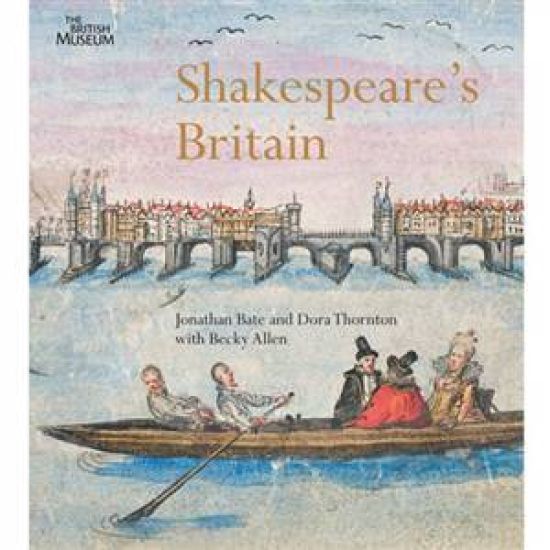
From the common playgoers to the royal patrons, this book explores Britain from the perspective of Shakespeareâ??s audience â?? revealing how the significant issues of the day were explored at the playhouse through objects and quotations from Shakespeareâ??s plays.
Shakespeare

Shakespeare

Jonathan Bate; Dora Thornton

British Museum Press
2012
sidottu
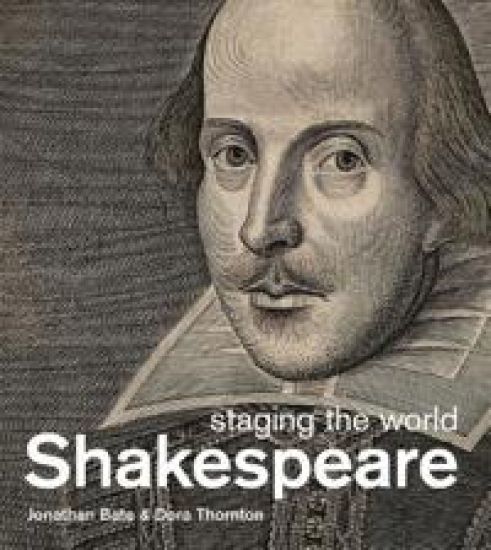
Authoritative, surprising, evocative and original, Shakespeare: staging the world offers a completely new approach to one of the most exceptional creative imaginations in history. While matters of religion, trade and war were being contested, the role of the playwright developed to inform, persuade and provoke debate on the concerns of the day. This richly illustrated book presents an extraordinary collection of objects from the British Museum's unrivalled collection, as well as key pieces from Britain and elsewhere. Simon Forman's diary of 1611 gives a vivid account of attending a contemporary performance of A Winter's Tale; a dagger fished from the Thames gives new resonance to the gang violence of Romeo and Juliet; while Guy Fawkes's lantern illustrates the Catholic counterculture revealed through the failed Gunpowder Plot, which was later to prove the inspiration for Macbeth. Shakespeare: staging the world is a fascinating view of the early modern world through the eyes of Shakespeare, his players and audiences. "A fascinating account of Shakespeare's cosmopolitan world, illustrated with breathtaking images that bring to life the rich material culture that shaped Shakespeare's writings and his age. This is a superb volume, one that will have pride of place on my bookshelf." -Professor James Shapiro, author of 1599 and Contested Wil
Shakespeare

Shakespeare

Jonathan Bate; Dora Thornton

British Museum Press
2012
nidottu
Authoritative, surprising, evocative and original, Shakespeare: staging the world offers a completely new approach to one of the most exceptional creative imaginations in history. While matters of religion, trade and war were being contested, the role of the playwright developed to inform, persuade and provoke debate on the concerns of the day. This richly illustrated book presents an extraordinary collection of objects from the British Museum's unrivalled collection, as well as key pieces from Britain and elsewhere. Simon Forman's diary of 1611 gives a vivid account of attending a contemporary performance of A Winter's Tale; a dagger fished from the Thames gives new resonance to the gang violence of Romeo and Juliet; while Guy Fawkes's lantern illustrates the Catholic counterculture revealed through the failed Gunpowder Plot, which was later to prove the inspiration for Macbeth. Shakespeare: staging the world is a fascinating view of the early modern world through the eyes of Shakespeare, his players and audiences. "A fascinating account of Shakespeare's cosmopolitan world, illustrated with breathtaking images that bring to life the rich material culture that shaped Shakespeare's writings and his age. This is a superb volume, one that will have pride of place on my bookshelf." -Professor James Shapiro, author of 1599 and Contested Wil
Objects of Virtue: Art in Renaissance Italy

Objects of Virtue: Art in Renaissance Italy

Luke Syson; Dora Thornton

J. Paul Getty Museum
2002
sidottu
You are what you own. So believed many of the elite men and women of Renaissance Italy. The notion that a person's belongings transmit something about their personal history, status, and "character" was renewed in the fifteenth and early sixteenth centuries. Objects of Virtue explores the multiple meanings and values of the objects with which families like the Medici, Este, and Gonzaga surrounded themselves. This lavishly illustrated volume examines the complicated relationships between the so-called "fine arts"--painting and sculpture--and artifacts of other kinds for which artistry might be as important as utility-furniture, jewelry, and vessels made of gold, silver, and bronze, precious and semi-precious stone, glass, and ceramic. The works discussed were designed and made by artists as famous as Andrea Mantegna, Raphael, and Michelangelo, as well as by lesser-known specialists--goldsmiths, gem-engravers, glassmakers, and maiolica painters.