Kirjojen hintavertailu. Mukana 12 595 353 kirjaa ja 12 kauppaa.

Kirjailija

Dorothy Yamamoto

Kirjat ja teokset yhdessä paikassa: 3 kirjaa, julkaisuja vuosilta 2000-2017, suosituimpien joukossa Guinea Pig. Vertaile teosten hintoja ja tarkista saatavuus suomalaisista kirjakaupoista.

3 kirjaa

Kirjojen julkaisuhaarukka 2000-2017.

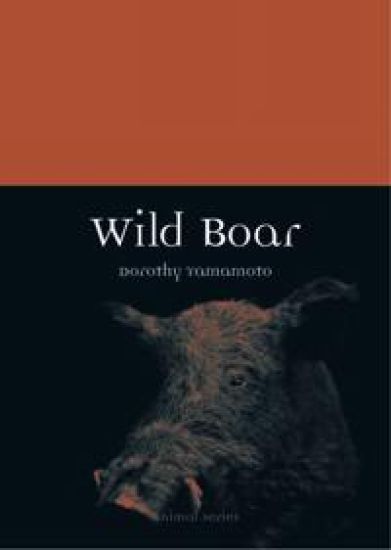
Wild Boar

Wild Boar

Dorothy Yamamoto

Reaktion Books
2017
nidottu
Tough, resourceful and omnivorous, wild boar are the ancestors of domestic pigs. From earliest times, wild boar have presented humans with both opportunity and threat: they are a valuable food source, but also aformidable foe carrying tusks that can inflict terrible injuries. Today, boar are impinging on people’s lives in new ways, scouting into cities such as Berlin and Tokyo, or establishing populations in areas such as the Forestof Dean in England.Wild Boar traces the history of the interaction between humans and wild boar, from the iconic beasts of myth and legend, such as the Calydonian Boar, to the adoption of the boar as a heraldic device – most notably by the doomed English king Richard iii – and the meticulous rules of engagement that grew up around the practice of hunting. The boar’s impact upon human bodies is a running theme in legends, stories and reports, and now that hunters are no longer armed with boar spears but with high-velocity rifles, the boars themselves have ballooned in the popular imagination, in the shape of monstrous hybrids such as ‘Hogzilla’, in keeping with their role as deadly adversary.Dorothy Yamamoto argues that their former association with masculine valour and heroic combat inflects modern-day attitudes towards wild boar, leading to distorted perceptions of their size, behaviour and the potential threat that they pose. As proposals for including them in schemes for rewilding contend with demands to eradicate them altogether from certain areas, wild boar are a unique focus for much of the current debate about the terms on which we share our planet with other animals.
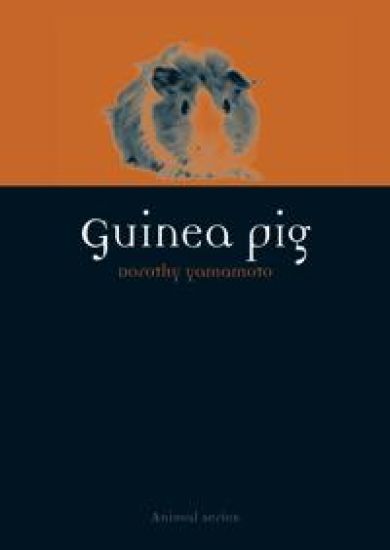
Guinea Pig

Guinea Pig

Dorothy Yamamoto

Reaktion Books
2015
nidottu
Guinea pigs are one of the world’s most popular pets – small, friendly, easy to care for and unbearably cute. First domesticated in 5000 BCE, guinea pigs have been bred increasingly for their looks, shaped by humans in search of an ideal ‘guinea pig’ appearance, and have been used as scientific subjects since the seventeenth century. They have also been the focus of countless works of art and literature – including paintings by Jan Brueghel the Elder, illustrated stories by Beatrix Potter and Michael Bond’s The Tales of Olga da Polga – inspiring children and adults alike.Guinea Pig is the first book of its kind to take an in-depth look at the fascinating history of guinea pig and human interaction. It examines guinea pigs in their role as pets, their use as sacrificial offerings to Inca gods, the breeding of ‘fancy’ guinea pigs and the farming and eating of the animals throughout Andean countries. It also details the history of the guinea pig as an experimental subject – the term now applied to anyone who participates in a scientific study or test. Guinea Pig is the perfect companion for animal lovers, guinea pig owners and anyone interested in the history of domesticated animals.
The Boundaries of the Human in Medieval English Literature

The Boundaries of the Human in Medieval English Literature

Dorothy Yamamoto

Oxford University Press
2000
sidottu
Animals and wild men are everywhere in medieval culture, but their role in illuminating medieval constructions of humanity has never been properly explored. This book gathers together a large number of themes and subjects (including Bestiary, heraldry, and hunting), and examines them as part of a unified discourse about the body and its creative transformations. Human and animal are terms traditionally opposed to one another, but their relationship must always be characterized by a dynamic instability. Humans scout into the animal zone, manipulating and re-shaping animal bodies in accordance with their own social imagining–yet these forays are risky since they lead to questions about what humanity consists in, and whether it can ever be forfeited. Studies of birds, foxes, game animals, the wild man, and shape-shifting women fill out the argument of this book, which sheds new light on works by Chaucer, Gower, the Gawain-poet, and Henryson, as well as showing that many less familiar texts have rewards that an informed reading can reveal.