Kirjojen hintavertailu. Mukana 12 595 353 kirjaa ja 12 kauppaa.

Kirjailija

Dorthe Duncker

Kirjat ja teokset yhdessä paikassa: 3 kirjaa, julkaisuja vuosilta 2017-2020, suosituimpien joukossa The Reflexivity of Language and Linguistic Inquiry. Vertaile teosten hintoja ja tarkista saatavuus suomalaisista kirjakaupoista.

3 kirjaa

Kirjojen julkaisuhaarukka 2017-2020.

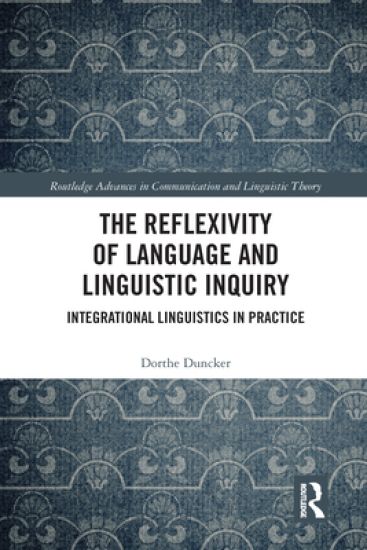
The Reflexivity of Language and Linguistic Inquiry
This book explores the reflexivity of language both from the perspective of the lay speaker and the linguistic analyst. Linguistic inquiry is conditional upon linguistic reflexivity, but so is language. Without linguistic reflexivity, we would not be able to make sense of everyday linguistic communication, and the idea of a language would not be conceivable. Not even fundamental notions such as words or meaning would exist. Linguistic reflexivity is a feature of the communication process, and it essentially depends on situated participants and time. It is a defining characteristic of the human language but despite its obvious importance, it is not very well understood theoretically, and it is strangely under-researched empirically. Throughout history and in modern linguistics, it has mostly either been taken for granted, misconstrued, or ignored. Only integrational linguistics fully recognizes its specifically linguistic implications. However, integrational linguistics does not provide the necessary methodological basis for investigating linguistic phenomena empirically. This catch-22 situation means that the goal of the book is twofold: one part is to explore the reflexivity of language theoretically, and the other part is to propose an applied integrational linguistics and to implement this proposal in practice.
The Reflexivity of Language and Linguistic Inquiry
This book explores the reflexivity of language both from the perspective of the lay speaker and the linguistic analyst. Linguistic inquiry is conditional upon linguistic reflexivity, but so is language. Without linguistic reflexivity, we would not be able to make sense of everyday linguistic communication, and the idea of a language would not be conceivable. Not even fundamental notions such as words or meaning would exist. Linguistic reflexivity is a feature of the communication process, and it essentially depends on situated participants and time. It is a defining characteristic of the human language but despite its obvious importance, it is not very well understood theoretically, and it is strangely under-researched empirically. Throughout history and in modern linguistics, it has mostly either been taken for granted, misconstrued, or ignored. Only integrational linguistics fully recognizes its specifically linguistic implications. However, integrational linguistics does not provide the necessary methodological basis for investigating linguistic phenomena empirically. This catch-22 situation means that the goal of the book is twofold: one part is to explore the reflexivity of language theoretically, and the other part is to propose an applied integrational linguistics and to implement this proposal in practice.
Creativity and Continuity

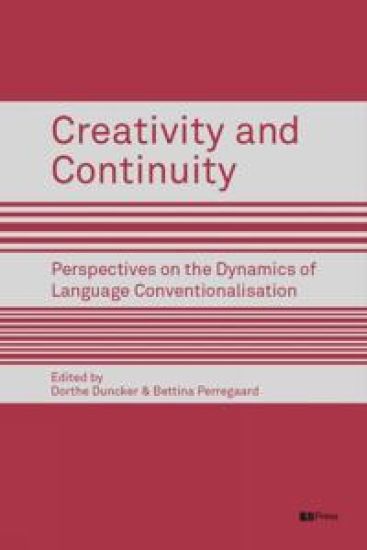
Creativity and Continuity

Bettina Perregaard; Dorthe Duncker

U Press
2017
nidottu
"The creative aspects of language practices have long been neglected by traditional linguistics", Dorthe Duncker and Bettina Perregaard claim. All of the chapters in their new anthology explore and demonstrate how processes of creativity and continuity underlie language conventionalisation. Though conventionalisation is essential to any understanding of the foundation of interaction and language, thus far it has not been the subject of any substantial collective effort. New research presented here seeks to redress this. An introductory chapter critically reviews the theoretical assumptions and pitfalls of twentieth-century approaches to communication and conventionalisation. The successive chapters are by scholars from different theoretical backgrounds within language and literature. They study the processes of conventionalisation from the complementary perspectives of linguistic and literary research traditions and cover a diverse field of cognitive, social, and historical aspects of language. The target readership of the book is scholars and students of language and communication - including literacy and literary studies and philosophy of language - who are interested in foundational issues and their profound implications for empirical analysis.