Kirjojen hintavertailu. Mukana 12 189 328 kirjaa ja 12 kauppaa.

Kirjailija

Douglas Keesey

Kirjat ja teokset yhdessä paikassa: 8 kirjaa, julkaisuja vuosilta 2006-2017, suosituimpien joukossa Twenty First Century Horror Films. Vertaile teosten hintoja ja tarkista saatavuus suomalaisista kirjakaupoista.

8 kirjaa

Kirjojen julkaisuhaarukka 2006-2017.

Twenty First Century Horror Films

Twenty First Century Horror Films

Douglas Keesey

Kamera Books
2017
pokkari
From the vengeful ghosts of J-horror to the walking dead in 28 Days Later and World War Z, from the creepiness of Spain's haunted houses to the graphic gore of the New French Extremism, horror is everywhere in the twenty-first century. This lively and illuminating book explores over 100 contemporary horror films, providing insightful and provocative readings of what they mean while including numerous quotes from their creators. Some of these films, including The Babadook, The Green Inferno, It Follows, The Neon Demon, Pride and Prejudice and Zombies and The Witch are so recent that this will be one of the first times they are discussed in book form. The book is divided into three main sections: 'nightmares', 'nations' and 'innovations'. 'Nightmares' looks at new manifestations of traditional fears, including creepy dolls, haunted houses and demonic possession as well as vampires, werewolves, witches and zombies; and also considers more contemporary anxieties such as dread of home invasion and homophobia. 'Nations' explores fright films from around the world, including Australia, Canada, Czechoslovakia, France, Germany, India, Japan, Norway, Russia, Serbia, Spain and Sweden as well as the UK and the US. 'Innovations' focuses on the latest trends in terror from 3D to found-footage films, from Twilight teen romance to torture porn, and from body horror and eco-horror to techno-horror. Parodies, remakes and American adaptations of Asian horror are also discussed.
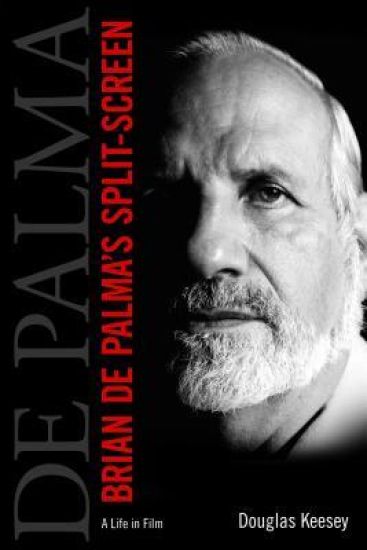
Brian De Palma's Split-Screen

Brian De Palma's Split-Screen

Douglas Keesey

University Press of Mississippi
2017
nidottu
Over the last five decades, the films of director Brian De Palma (b. 1940) have been among the biggest successes (The Untouchables, Mission: Impossible) and the most high-profile failures (The Bonfire of the Vanities) in Hollywood history. De Palma helped launch the careers of such prominent actors as Robert De Niro, John Travolta, and Sissy Spacek (who was nominated for an Academy Award as Best Actress in Carrie). Indeed Quentin Tarantino named Blow Out as one of his top three favorite films, praising De Palma as the best living American director.Picketed by feminists protesting its depictions of violence against women, Dressed to Kill helped to create the erotic thriller genre. Scarface, with its over-the-top performance by Al Pacino, remains a cult favorite. In the twenty-first century, De Palma has continued to experiment, incorporating elements from videogames (Femme Fatale), tabloid journalism (The Black Dahlia), YouTube, and Skype (Redacted and Passion) into his latest works.What makes De Palma such a maverick even when he is making Hollywood genre films? Why do his movies often feature megalomaniacs and failed heroes? Is he merely a misogynist and an imitator of Alfred Hitchcock? To answer these questions, author Douglas Keesey takes a biographical approach to De Palma's cinema, showing how De Palma reworks events from his own life into his films. Written in an accessible style, and including a chapter on every one of his films to date, this book is for anyone who wants to know more about De Palma's controversial films or who wants to better understand the man who made them.
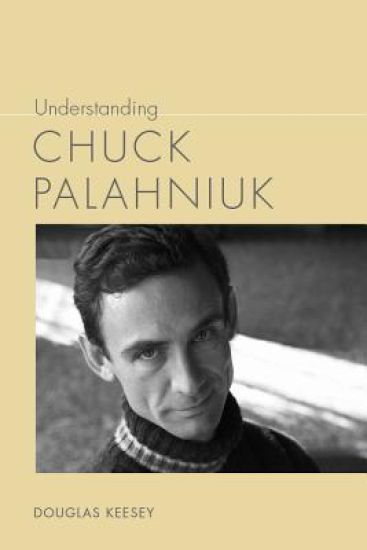
Understanding Chuck Palahniuk

Understanding Chuck Palahniuk

Douglas Keesey

University of South Carolina Press
2016
sidottu
Ever since his first novel, Fight Club, was made into a cult film by David Fincher, Chuck Palahniuk has been a consistent presence on the New York Times best-seller list. A target of critics but a fan favorite, Palahniuk has been loathed and loved in equal measure for his dark humor, edgy topics, and confrontational writing style. In close readings of Fight Club and the thirteen novels that this controversial author has published since, Douglas Keesey argues that Palahniuk is much more than a “shock jock” engaged in mere sensationalism. His visceral depictions of sex and violence have social, psychological, and religious significance. Keesey takes issue with reviewers who accuse Palahniuk of being an angry nihilist and a misanthrope, showing instead that he is really a romantic at heart and a believer in community. In this first comprehensive introduction to Palahniuk’s fiction, Keesey reveals how this writer’s outrageous narratives are actually rooted in his own personal experiences, how his seemingly unprecedented works are part of the American literary tradition of protagonists in search of an identity, and how his negative energy is really social satire directed at specific ills that he diagnoses and wishes to cure. After tracing the influence of his working-class background, his journalistic education, and his training as a “minimalist” writer, Understanding Chuck Palahniuk exposes connections between the writer’s novels by grouping them thematically: the struggle for identity (Fight Club, Invisible Monsters, Survivor, Choke); the horror trilogy (Lullaby, Diary, Haunted); teen terrors (Rant, Pygmy); porn bodies and romantic myths (Snuff, Tell-All, Beautiful You); and a decidedly unorthodox revision of Dante’s Divine Comedy (Damned, Doomed).Drawing on numerous author interviews and written in an engaging and accessible style, Understanding Chuck Palahniuk should appeal to scholars, students, and fans alike.
Brian De Palma's Split-Screen

Brian De Palma's Split-Screen

Douglas Keesey

University Press of Mississippi
2015
sidottu
Over the last five decades, the films of director Brian De Palma (b. 1940) have been among the biggest successes (The Untouchables, Mission: Impossible) and the most high-profile failures (The Bonfire of the Vanities) in Hollywood history. De Palma helped launch the careers of such prominent actors as Robert De Niro, John Travolta, and Sissy Spacek (who was nominated for an Academy Award as Best Actress in Carrie). Indeed Quentin Tarantino named Blow Out as one of his top three favorite films, praising De Palma as the best living American director. Picketed by feminists protesting its depictions of violence against women, Dressed to Kill helped to create the erotic thriller genre. Scarface, with its over-the-top performance by Al Pacino, remains a cult favorite. In the twenty-first century, De Palma has continued to experiment, incorporating elements from videogames (Femme Fatale), tabloid journalism (The Black Dahlia), YouTube, and Skype (Redacted and Passion) into his latest works. What makes De Palma such a maverick even when he is making Hollywood genre films? Why do his movies often feature megalomaniacs and failed heroes? Is he merely a misogynist and an imitator of Alfred Hitchcock? To answer these questions, author Douglas Keesey takes a biographical approach to De Palma's cinema, showing how De Palma reworks events from his own life into his films. Written in an accessible style, and including a chapter on every one of his films to date, this book is for anyone who wants to know more about De Palma's controversial films or who wants to better understand the man who made them.
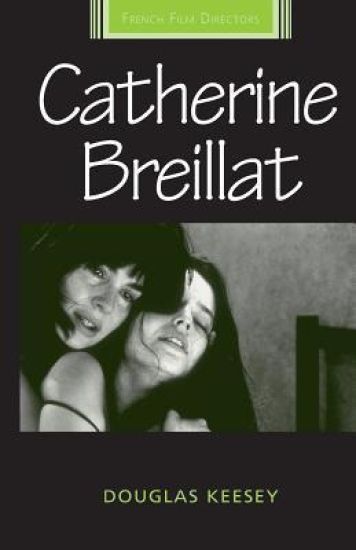
Catherine Breillat

Catherine Breillat

Douglas Keesey

Manchester University Press
2015
nidottu
This is the first English-language book on controversial female director Catherine Breillat, whose films include Romance, A ma soeur! (Fat Girl), Anatomy of Hell and The Last Mistress. This volume explores the director's complex relation to religion and to feminism, and it examines the differences between Breillat's films and patriarchal pornography, engaging in detailed analysis of her intimate scenes between men and women. Keesey also discusses the literature, films, paintings and photos that have influenced Breillat's work, and extends this to show how Breillat's films have influenced other filmmakers and artists in turn.A lively and accessible introduction, this book will appeal to students and researchers, as well as all those with an interest in gender studies, French film and contemporary cinema.
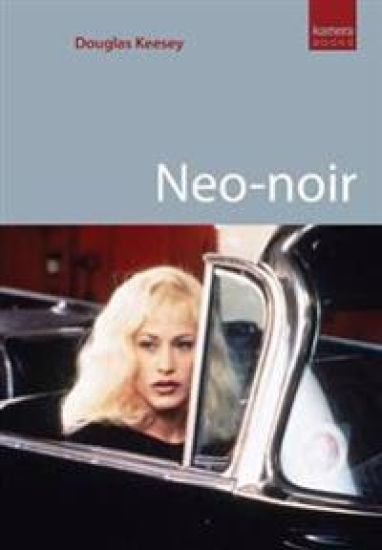
Neo-Noir

Neo-Noir

Douglas Keesey

Kamera Books
2010
pokkari
A world-weary detective, a seductive femme fatale, a mysterious murder - these elements of classic film noir live again in more recent hardboiled detective films from Chinatown to Sin City. But the themes and styles of noir have also spilled over into contemporary films about gangsters, cops and serial killers (Reservoir Dogs, The Departed, Se7en). New hybrid genres have been created, including psycho-noirs (Memento), techno-noirs (The Matrix) and superhero noirs (The Dark Knight). Beginning with an introduction that shows how neo-noir has drawn upon contemporary social and historical events as well as the latest technological advances in filmmaking, this book discusses the neo-noir films that have made the biggest splash in the field ('landmarks'), the directors who have become cult figures of neo-noir, ('auteurs'), films from non-English speaking countries ('international') and neo-noirs that put a new spin on past noirs ('remakes'). The main credits and a plot summary are given for each neo-noir, followed by an in-depth analysis containing original insights into the meaning of the film. 'Factoids' also present fascinating facts, behind-the-scenes anecdotes and lively quotes from the cast and crew.
Catherine Breillat

Catherine Breillat

Douglas Keesey

Manchester University Press
2009
sidottu
This is the first English-language book on controversial female director Catherine Breillat, whose films include Romance, A ma soeur! (Fat Girl), Anatomy of Hell and most recently, The Last Mistress. This volume explores the director's complex relation to religion and to feminism, and it examines the differences between Breillat's films and patriarchal pornography, engaging in detailed analysis of her intimate scenes between men and women. Keesey also discusses the literature, films, paintings and photos that have influenced Breillat's work, and extends this to show how Breillat's films have influenced other filmmakers and artists in turn.A lively and accessible introduction, this book will appeal to students and researchers, as well as all those with an interest in gender studies, French film and contemporary cinema.
The Films of Peter Greenaway

The Films of Peter Greenaway

Douglas Keesey

McFarland Co Inc
2006
pokkari
"This book examines nine of Greenaway's feature films. The author examines the characters and plot, studies the structure and elements of the story, explores Greenaway's motives and reactions, and reveals audience reactions, including comments from viewers. A filmography lists films written and directed by Peter Greenaway from 1962 to 2004"--Provided by publisher.