Kirjojen hintavertailu. Mukana 12 390 323 kirjaa ja 12 kauppaa.

Kirjailija

Dugald Williamson

Kirjat ja teokset yhdessä paikassa: 3 kirjaa, julkaisuja vuosilta 1992-2011, suosituimpien joukossa On Pornography. Vertaile teosten hintoja ja tarkista saatavuus suomalaisista kirjakaupoista.

3 kirjaa

Kirjojen julkaisuhaarukka 1992-2011.

Australian Documentary

Australian Documentary

Trish FitzSimons; Pat Laughren; Dugald Williamson

Cambridge University Press
2011
pokkari
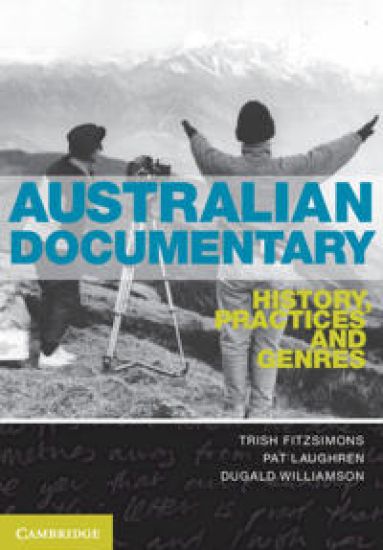
Drawing on interviews with leading industry sources and containing discussion of over 200 documentaries, Australian Documentary: History, Practices and Genres brings to life over a century of documentary making and connects it to international debates in criticism, theory and history. Documentary is the oldest continuous form of screen production in Australia, and today plays a pivotal part in our creative industries. This incisive book covers the development of documentary in Australia from the early days of cinema to the coming of television and to the digital environment. Addressing the issues facing today's documentary makers, the authors explore the role of the documentary in shaping the nation and forming the 'imagined community'.
On Pornography

On Pornography

David Saunders; Dugald Williamson

Palgrave Macmillan
1992
nidottu
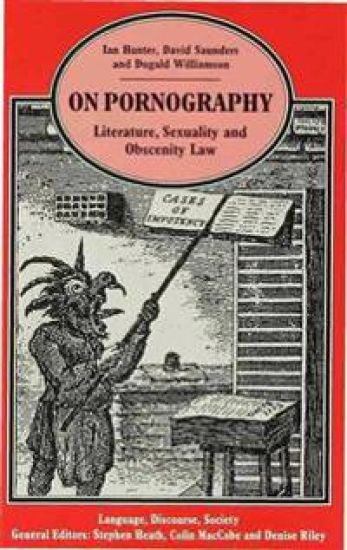
The policing of pornography remains a subject of widespread controversy. On Pornography provides a history of this policing and an understanding of the current debate. The authors show that obscenity law should not be understood negatively as censorship but as part of the positive administration of a particular practice of sexuality. This book indicates that obscenity law is not, as liberals claim, a mistaken attempt to police moral ideas, but rather forms part of the legitimate governmental regulation of a problematic social conduct.
On Pornography

On Pornography

David Saunders; Dugald Williamson

Palgrave Macmillan
1992
sidottu
The policing of pornography remains a subject of widespread controversy. On Pornography provides a history of this policing and an understanding of the current debate. The authors show that obscenity law should not be understood negatively as censorship but as part of the positive administration of a particular practice of sexuality. This book indicates that obscenity law is not, as liberals claim, a mistaken attempt to police moral ideas, but rather forms part of the legitimate governmental regulation of a problematic social conduct.