Kirjojen hintavertailu. Mukana 12 595 353 kirjaa ja 12 kauppaa.

Kirjailija

Dusty Phillips

Kirjat ja teokset yhdessä paikassa: 7 kirjaa, julkaisuja vuosilta 2010-2025, suosituimpien joukossa Python Object-Oriented Programming. Vertaile teosten hintoja ja tarkista saatavuus suomalaisista kirjakaupoista.

7 kirjaa

Kirjojen julkaisuhaarukka 2010-2025.

Python Object-Oriented Programming

Python Object-Oriented Programming

Steven F. Lott; Dusty Phillips

PACKT PUBLISHING LIMITED
2025
nidottu
This hands-on guide empowers Python developers to write clean, production-ready code using real-world OOP, design patterns, and concurrency tools. Fully updated for Python 3.13 with new type hinting and modern software engineering practices. Key Features Master OOP fundamentals with hands-on examples and expert insights Learn design patterns and type hinting with real-world Python 3.13 code Develop scalable programs using testing and concurrency best practices Purchase of the print or Kindle book includes a free PDF eBook Book DescriptionLearn to write effective, maintainable, and scalable Python applications by mastering object-oriented programming with this updated fifth edition. Whether you’re transitioning from scripting to structured development or refining your OOP skills, this book offers a clear, practical path forward. You’ll explore Python’s approach to OOP, from class creation and inheritance to polymorphism and abstraction, while discovering how to make smarter decisions about when and how to use these tools. You’ll apply what you learn through hands-on examples and exercises. Updated for Python 3.13, this edition simplifies complex topics such as abstract base classes, testing with unittest and pytest, and async programming with asyncio. It introduces a new chapter on Python’s type hinting ecosystem—crucial for modern Python development. Written by long-time Python experts Steven Lott and Dusty Phillips, this edition emphasizes clarity, testability, and professional software engineering practices. It helps you move beyond scripting to building well-structured, production-ready Python systems. By the end of this book, you’ll be confident in applying OOP principles, design patterns, type hints, and concurrency tools to create robust and maintainable Python applications.What you will learn Write Python classes and implement object behaviors Apply inheritance, polymorphism, and composition Understand when to use OOP—and when not to Use type hints and perform static and runtime checks Explore common and advanced design patterns in Python Write unit and integration tests with unittest and pytest Implement concurrency with asyncio, futures, and threads Refactor procedural code into well-designed OOP structures Who this book is forPython developers who want to deepen their understanding of object-oriented programming to write maintainable, scalable, and professional-grade code. Ideal for developers transitioning from scripting to software engineering or those coming from other OOP languages looking to master Python’s idiomatic approach. Basic Python knowledge is required.
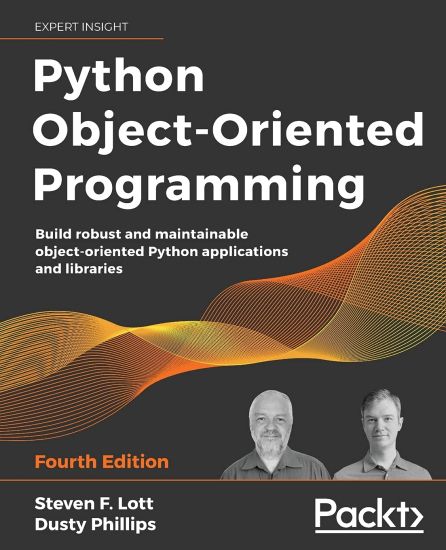
Python Object-Oriented Programming

Python Object-Oriented Programming

Steven F. Lott; Dusty Phillips

PACKT PUBLISHING LIMITED
2021
nidottu
A comprehensive guide to exploring modern Python through data structures, design patterns, and effective object-oriented techniquesKey FeaturesBuild an intuitive understanding of object-oriented design, from introductory to mature programsLearn the ins and outs of Python syntax, libraries, and best practicesExamine a machine-learning case study at the end of each chapterBook DescriptionObject-oriented programming (OOP) is a popular design paradigm in which data and behaviors are encapsulated in such a way that they can be manipulated together. Python Object-Oriented Programming, Fourth Edition dives deep into the various aspects of OOP, Python as an OOP language, common and advanced design patterns, and hands-on data manipulation and testing of more complex OOP systems. These concepts are consolidated by open-ended exercises, as well as a real-world case study at the end of every chapter, newly written for this edition. All example code is now compatible with Python 3.9+ syntax and has been updated with type hints for ease of learning. Steven and Dusty provide a comprehensive, illustrative tour of important OOP concepts, such as inheritance, composition, and polymorphism, and explain how they work together with Python's classes and data structures to facilitate good design. In addition, the book also features an in-depth look at Python's exception handling and how functional programming intersects with OOP. Two very powerful automated testing systems, unittest and pytest, are introduced. The final chapter provides a detailed discussion of Python's concurrent programming ecosystem. By the end of the book, you will have a thorough understanding of how to think about and apply object-oriented principles using Python syntax and be able to confidently create robust and reliable programs.What you will learnImplement objects in Python by creating classes and defining methodsExtend class functionality using inheritanceUse exceptions to handle unusual situations cleanlyUnderstand when to use object-oriented features, and more importantly, when not to use themDiscover several widely used design patterns and how they are implemented in PythonUncover the simplicity of unit and integration testing and understand why they are so importantLearn to statically type check your dynamic codeUnderstand concurrency with asyncio and how it speeds up programsWho this book is forIf you are new to object-oriented programming techniques, or if you have basic Python skills and wish to learn how and when to correctly apply OOP principles in Python, this is the book for you. Moreover, if you are an object-oriented programmer coming from other languages or seeking a leg up in the new world of Python, you will find this book a useful introduction to Python. Minimal previous experience with Python is necessary.
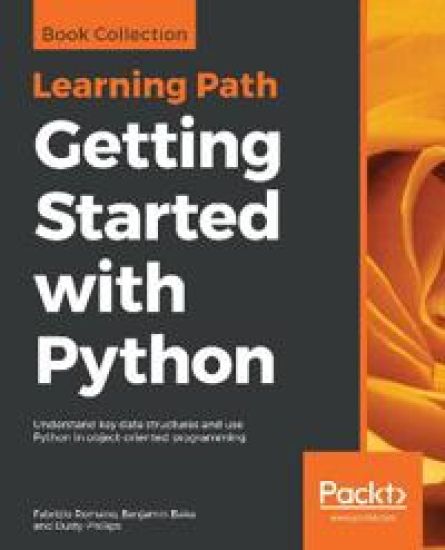
Getting Started with Python

Getting Started with Python

Fabrizio Romano; Benjamin Baka; Dusty Phillips

Packt Publishing Limited
2019
nidottu
Harness the power of Python objects and data structures to implement algorithms for analyzing your data and efficiently extracting informationKey FeaturesTurn your designs into working software by learning the Python syntaxWrite robust code with a solid understanding of Python data structuresUnderstand when to use the functional or the OOP approachBook DescriptionThis Learning Path helps you get comfortable with the world of Python. It starts with a thorough and practical introduction to Python. You’ll quickly start writing programs, building websites, and working with data by harnessing Python's renowned data science libraries. With the power of linked lists, binary searches, and sorting algorithms, you'll easily create complex data structures, such as graphs, stacks, and queues. After understanding cooperative inheritance, you'll expertly raise, handle, and manipulate exceptions. You will effortlessly integrate the object-oriented and not-so-object-oriented aspects of Python, and create maintainable applications using higher level design patterns. Once you’ve covered core topics, you’ll understand the joy of unit testing and just how easy it is to create unit tests.By the end of this Learning Path, you will have built components that are easy to understand, debug, and can be used across different applications.This Learning Path includes content from the following Packt products:Learn Python Programming - Second Edition by Fabrizio RomanoPython Data Structures and Algorithms by Benjamin BakaPython 3 Object-Oriented Programming by Dusty PhillipsWhat you will learnUse data structures and control flow to write codeUse functions to bundle together a sequence of instructionsImplement objects in Python by creating classes and defining methodsDesign public interfaces using abstraction, encapsulation and information hidingRaise, define, and manipulate exceptions using special error objectsCreate bulletproof and reliable software by writing unit testsLearn the common programming patterns and algorithms used in PythonWho this book is forIf you are relatively new to coding and want to write scripts or programs to accomplish tasks using Python, or if you are an object-oriented programmer for other languages and seeking a leg up in the world of Python, then this Learning Path is for you. Though not essential, it will help you to have basic knowledge of programming and OOP.
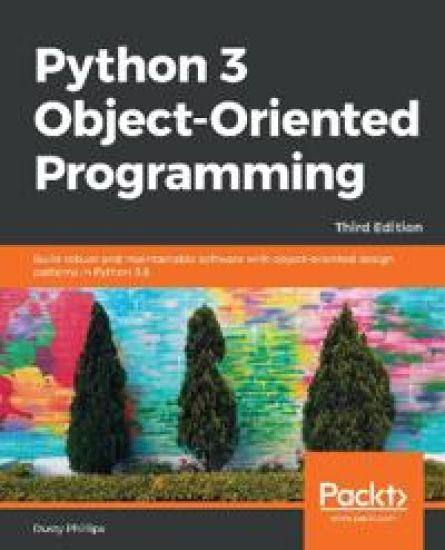
Python 3 Object-Oriented Programming.

Python 3 Object-Oriented Programming.

Dusty Phillips

Packt Publishing Limited
2018
nidottu
Uncover modern Python with this guide to Python data structures, design patterns, and effective object-oriented techniques Key Features In-depth analysis of many common object-oriented design patterns that are more suitable to Python's unique style Learn the latest Python syntax and libraries Explore abstract design patterns and implement them in Python 3.8 Book DescriptionObject-oriented programming (OOP) is a popular design paradigm in which data and behaviors are encapsulated in such a way that they can be manipulated together. This third edition of Python 3 Object-Oriented Programming fully explains classes, data encapsulation, and exceptions with an emphasis on when you can use each principle to develop well-designed software. Starting with a detailed analysis of object-oriented programming, you will use the Python programming language to clearly grasp key concepts from the object-oriented paradigm. You will learn how to create maintainable applications by studying higher level design patterns. The book will show you the complexities of string and file manipulation, and how Python distinguishes between binary and textual data. Not one, but two very powerful automated testing systems, unittest and pytest, will be introduced in this book. You'll get a comprehensive introduction to Python's concurrent programming ecosystem. By the end of the book, you will have thoroughly learned object-oriented principles using Python syntax and be able to create robust and reliable programs confidently.What you will learn Implement objects in Python by creating classes and defining methods Grasp common concurrency techniques and pitfalls in Python 3 Extend class functionality using inheritance Understand when to use object-oriented features, and more importantly when not to use them Discover what design patterns are and why they are different in Python Uncover the simplicity of unit testing and why it s so important in Python Explore concurrent object-oriented programming Who this book is forIf you're new to object-oriented programming techniques, or if you have basic Python skills and wish to learn in depth how and when to correctly apply OOP in Python, this is the book for you. If you are an object-oriented programmer for other languages or seeking a leg up in the new world of Python 3.8, you too will find this book a useful introduction to Python. Previous experience with Python 3 is not necessary.
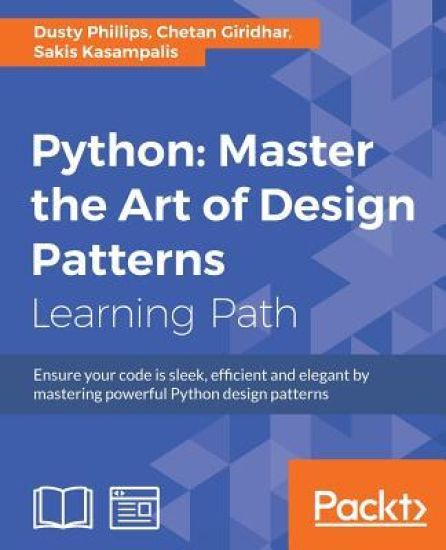
Python: Master the Art of Design Patterns

Python: Master the Art of Design Patterns

Dusty Phillips; Chetan Giridhar; Sakis Kasampalis

Packt Publishing Limited
2016
nidottu
Ensure your code is sleek, efficient and elegant by mastering powerful Python design patterns About This Book * Learn all about abstract design patterns and how to implement them in Python 3 * Understand the structural, creational, and behavioral Python design patterns * Get to know the context and application of design patterns to solve real-world problems in software architecture, design, and application development * Discover how to simplify Design Pattern implementation using the power of Python 3 Who This Book Is For If you have basic Python skills and wish to learn in depth how to correctly apply appropriate design patterns, this course is tailor made for you. What You Will Learn * Discover what design patterns are and how to apply them to writing Python * Implement objects in Python by creating classes and defining methods * Separate related objects into a taxonomy of classes and describe the properties and behaviors of those objects via the class interface * Understand when to use object-oriented features, and more importantly when not to use them * Get to know proven solutions to common design issues * Explore the design principles that form the basis of software design, such as loose coupling, the Hollywood principle, and the Open Close principle, among others * Use Structural Design Patterns and find out how objects and classes interact to build larger applications * Improve the productivity and code base of your application using Python design patterns * Secure an interface using the Proxy pattern In Detail Python is an object-oriented scripting language that is used in everything from data science to web development. Known for its simplicity, Python increases productivity and minimizes development time. Through applying essential software engineering design patterns to Python, Python code becomes even more efficient and reusable from project to project. This learning path takes you through every traditional and advanced design pattern best applied to Python code, building your skills in writing exceptional Python. Divided into three distinct modules, you'll go from foundational to advanced concepts by following a series of practical tutorials. Start with the bedrock of Python programming - the object-oriented paradigm. Rethink the way you work with Python as you work through the Python data structures and object-oriented techniques essential to modern Python programming. Build your confidence as you learn Python syntax, and how to use OOP principles with Python tools such as Django and Kivy. In the second module, run through the most common and most useful design patterns from a Python perspective. Progress through Singleton patterns, Factory patterns, Facade patterns and more all with detailed hands-on guidance. Enhance your professional abilities in in software architecture, design, and development. In the final module, run through the more complex and less common design patterns, discovering how to apply them to Python coding with the help of real-world examples. Get to grips with the best practices of writing Python, as well as creating systems architecture and troubleshooting issues. This Learning Path combines some of the best that Packt has to offer in one complete, curated package. It includes content from the following Packt products: * Python 3 Object-Oriented Programming - Second Edition by Dusty Phillips * Learning Python Design Patterns - Second Edition by Chetan Giridhar * Mastering Python Design Patterns by Sakis Kasampalis Style and approach Advance your Python code through three distinct modules that each build on preceding content. Get the complete coverage of Python design patterns you need to write elegant and efficient code that's reusable and powerful.
Python 3 Object Oriented Programming

Python 3 Object Oriented Programming

Dusty Phillips

Packt Publishing Limited
2010
nidottu
The book begins with the very foundations of OOP and then uses practical examples to show how to correctly implement Object Oriented Programming in Python. Many examples are taken from real-world projects. The book focuses on high-level design as well as the gritty details of the Python syntax. The provided exercises inspire the reader to think about his or her own code, rather than providing solved problems. If you're new to Object Oriented Programming techniques, or if you have basic Python skills and wish to learn in depth how and when to correctly apply Object Oriented Programming in Python, this is the book for you. If you are an object-oriented programmer for other languages, you too will find this book a useful introduction to Python, as it uses terminology you are already familiar with. Python 2 programmers seeking a leg up in the new world of Python 3 will also find the book beneficial, and you need not necessarily know Python 2.